Keeping your Family and Home Safe in a Heatwave

When temperatures climb into the triple digits, the danger isn’t always obvious. Heat doesn’t announce itself the way a storm or a fire does — it just builds, quietly straining your body and your home until something gives out. The good news is that a little preparation goes a long way. Here’s how to protect the people you love and the property you’ve worked hard for when a heatwave hits.

Know the Warning Signs

Heat-related illness moves along a spectrum, and catching it early makes all the difference.

Heat exhaustion shows up as heavy sweating, cold or clammy skin, dizziness, nausea, and a fast but weak pulse. If someone shows these symptoms, move them to a cool space, loosen their clothing, and offer sips of water.

Heat stroke is a medical emergency. Watch for a body temperature above 103°F, hot and dry (or damp) skin, confusion, a rapid and strong pulse, and possible loss of consciousness. Call 911 immediately and try to cool the person down while you wait — cold cloths, a cool bath, or moving them to air conditioning if available.

Children, older adults, pets, and people with chronic health conditions are especially vulnerable, so check in on family members and neighbors who may need extra support.

Protecting Your Family

Stay hydrated before you feel thirsty. By the time thirst kicks in, you’re already behind. Water is best; skip sugary or alcoholic drinks, which can speed up dehydration.

Time outdoor activities wisely. If you or your kids are heading outside, aim for early morning or evening hours when temperatures are lower, and take frequent breaks in the shade.

Dress for the heat. Lightweight, loose-fitting, light-colored clothing helps your body regulate temperature more effectively than dark or tight fabrics.

Never leave anyone in a parked car. Not even for a minute. Interior temperatures can climb more than 20 degrees within the first ten minutes, which is especially dangerous for children and pets.

Check on vulnerable neighbors and relatives. A quick phone call or knock on the door can catch a problem before it becomes an emergency.

Protecting Your Home

Heatwaves don’t just threaten people — they put real stress on your house, too.

Keep your cooling system in shape. Have your HVAC system serviced before peak season, change air filters regularly, and consider a programmable thermostat to manage energy use efficiently.

Seal the gaps. Weatherstripping around doors and windows keeps cool air in and hot air out, easing the load on your air conditioner.

Use fans strategically. Ceiling fans and portable fans help circulate cool air and can let you raise the thermostat a few degrees without sacrificing comfort.

Block direct sunlight. Blackout curtains, blinds, or reflective window film can significantly cut down on heat gain, especially on south- and west-facing windows.

Watch for fire risk. Extreme heat and dry conditions raise wildfire risk in many areas. Keep gutters clear of debris, maintain defensible space around your property, and know your evacuation routes if you live in a high-risk zone.

Protect your appliances and electronics. Power grids can strain under heavy air conditioning demand, leading to brownouts or surges. Consider surge protectors for sensitive electronics.

Build a Heatwave Emergency Kit

A little preparation now saves stress later. Consider keeping these on hand:

  • Extra water (at least one gallon per person, per day)
  • Battery-powered or hand-crank fans
  • A battery-powered radio for emergency updates
  • A list of cooling centers in your area
  • Extra medication and a basic first-aid kit
  • Pet supplies, including extra water and shade access

Know Where to Cool Off

Many cities open public cooling centers — libraries, community centers, or malls — during extreme heat events. If your home loses power or your AC fails, having a backup location ready can be a lifesaver, literally.

Don’t Forget Your Home’s Bigger Picture

Extreme heat can also contribute to less obvious risks: foundation shifting from dry soil, roof damage from prolonged sun exposure, and increased strain on plumbing and electrical systems. Periodic home maintenance checks — especially before and after heatwave season — can help you catch small issues before they turn into costly repairs.


Stay cool, stay hydrated, and look out for one another. A few small precautions can make all the difference when the temperature rises.

Visit us online at WestenMutual.com
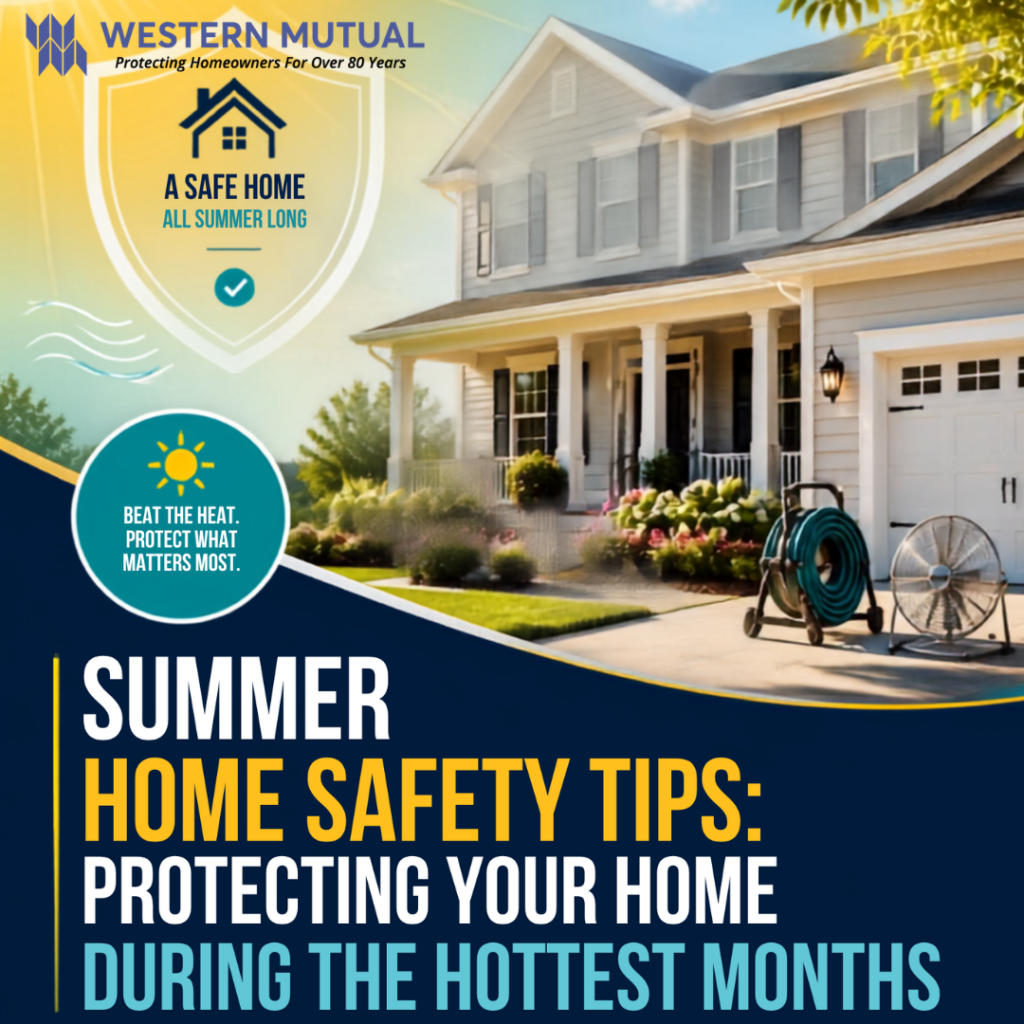
Summer Home Safety Tips: Protecting Your Home During the Hottest Months

Summer Home Safety Tips: Protecting Your Home During the Hottest Months

Summer brings longer days, backyard barbecues, and vacation plans — but it also brings a unique set of risks to your home. From soaring temperatures to severe storms and increased outdoor activity, the season demands a few extra precautions. Here’s what every homeowner should keep in mind to stay safe and avoid costly surprises.

1. Beat the Heat Safely

High temperatures put stress on both people and homes.

  • Service your HVAC system. Have your air conditioning unit inspected and cleaned before peak summer heat hits. A well-maintained system is less likely to fail during a heat wave — and less likely to become a fire hazard.
  • Check for carbon monoxide and smoke detector batteries. Summer storms and power outages are a good reminder to test detectors twice a year.
  • Watch for signs of electrical overload. Window units, fans, and extra appliances can strain older wiring. Avoid overloading outlets with extension cords.

2. Grill Responsibly

Grilling fires spike every summer, especially around holidays like the Fourth of July.

  • Keep grills at least 10 feet away from your house, deck railings, and overhanging branches.
  • Never leave a lit grill unattended.
  • Keep a fire extinguisher or baking soda nearby for grease flare-ups — never use water on a grease fire.
  • Clean grease traps and burners regularly to prevent flare-ups.

3. Prepare for Severe Weather

Summer storms can bring high winds, hail, and lightning with little warning.

  • Trim trees and shrubs near your home to reduce the risk of falling limbs during storms.
  • Inspect your roof and gutters for loose shingles or debris that could worsen storm damage.
  • Unplug sensitive electronics during lightning storms, or use surge protectors.
  • Know your evacuation routes if you live in an area prone to flash flooding or wildfires.

4. Pool and Water Safety

If you have a pool, spa, or even a kiddie pool, safety barriers matter.

  • Install self-closing, self-latching gates around pool areas.
  • Never leave children unsupervised near water, even briefly.
  • Keep pool chemicals stored in a cool, dry, and secure location away from direct sunlight.

5. Guard Against Wildfires

In drought-prone regions, summer is peak wildfire season.

  • Clear dry leaves, brush, and debris from around your home’s foundation and roofline.
  • Store firewood and flammable materials away from the house.
  • Consider fire-resistant landscaping (sometimes called “defensible space”) if you live in a high-risk area.

6. Secure Your Home While Traveling

Summer vacations mean empty houses — and opportunity for break-ins.

  • Use smart plugs or timers to make it look like someone’s home.
  • Ask a neighbor to collect mail and packages, or pause deliveries.
  • Double-check that all windows and doors are locked, including garage entry points.
  • Consider a video doorbell or security camera for peace of mind while you’re away.

Final Thoughts

A little preparation goes a long way toward a safe, worry-free summer. Taking care of these simple maintenance and safety steps now can help you avoid emergencies — and expensive repairs — later in the season.

Surviving a Heat Wave at Home 

Surviving a heat wave at home requires strategies to stay cool, hydrated, and safe. Here are some practical tips: 

Keep Your Home Cool 

Close Blinds and Curtains: Block out the sun during the hottest part of the day, typically from 10 a.m. to 4 p.m. 

Use Fans Strategically: Place fans in windows to create a cross-breeze or use a box fan to blow hot air out. 

Create a DIY Air Conditioner: Place a bowl of ice in front of a fan to cool the air. 

Limit Use of Heat-Generating Appliances: Avoid using ovens, stoves, and other appliances that generate heat. 

Optimize Your AC: If you have air conditioning, make sure it’s running efficiently by keeping filters clean and closing off unused rooms. 

Personal Cooling Techniques 

Stay Hydrated: Drink plenty of water, even if you don’t feel thirsty. Avoid alcohol and caffeine as they can dehydrate you. 

Wear Light Clothing: Choose loose-fitting, lightweight, and light-colored clothing. 

Cool Showers or Baths: Take cool showers or baths to lower your body temperature. 

Use Cold Compresses: Apply cold packs or wet cloths to pulse points like wrists, neck, and temples. 

Adjust Activities 

Limit Physical Activity: Avoid strenuous activities during the hottest parts of the day. If you must be active, do it early in the morning or late in the evening. 

Rest Frequently: Take breaks in a cool or shaded place if you’re doing physical tasks. 

Create a Cool Sleeping Environment 

Use Light Bedding: Switch to lightweight, breathable sheets and blankets. 

Sleep in the Lowest Level: Heat rises, so sleep on the ground floor or in the basement if possible. 

Stay Informed and Safe 

Monitor Heat Alerts: Stay informed about the heat index and any heat advisories in your area. 

Check on Vulnerable Individuals: Ensure that elderly, sick, or vulnerable neighbors, friends, and family members are staying cool and hydrated. 

Know the Signs of Heat-Related Illnesses: Be aware of symptoms such as heavy sweating, weakness, dizziness, nausea, headache, and muscle cramps. Seek medical help if necessary. 

Consider Long-Term Solutions 

Improve Insulation: Insulating your home can keep it cooler in the summer and warmer in the winter. 

Install Reflective Film or Insulated Curtains: These can reduce heat gain through windows. 

Plant Shade Trees: Strategically placed trees can provide natural shade and cool your home. 

By implementing these strategies, you can maintain a safer and more comfortable environment during a heat wave. 

Visit us online at WestenMutual.com.

Summer Comes to a Close

WM_Goodbye-Summer_8.26.19.jpg

“…and all at once, summer collapsed into fall.”

– Oscar Wilde

As the summer months come to a close, we reflect back to the long warm evenings, fun times outdoors, and the vacations / staycations had! While technically the fall season does not start until the end of September, Labor Day weekend serves as the “unofficial end of summer” to many. Take time to soak up the remainder of the month and enjoy your long holiday weekend with family and friends!

Goodbye Summer, Hello Fall!

wm-quote-button

Back to School

WM-Back-to-School_8.21.19

It’s time to dust off your backpacks…school is back in session! August marks “National Back to School Month” and has been observed since the 1960s. It is a time to organize your new school supply list, learn your class schedule and prep for the year ahead. In addition to prepping school supplies, it is important to get back in the groove of your school night schedule. Acclimate into your traditional sleep routines, make an after-school plan and anticipate allocating time for homework!

How do you and your family prepare for the school year ahead?

wm-quote-button

Heat Safety

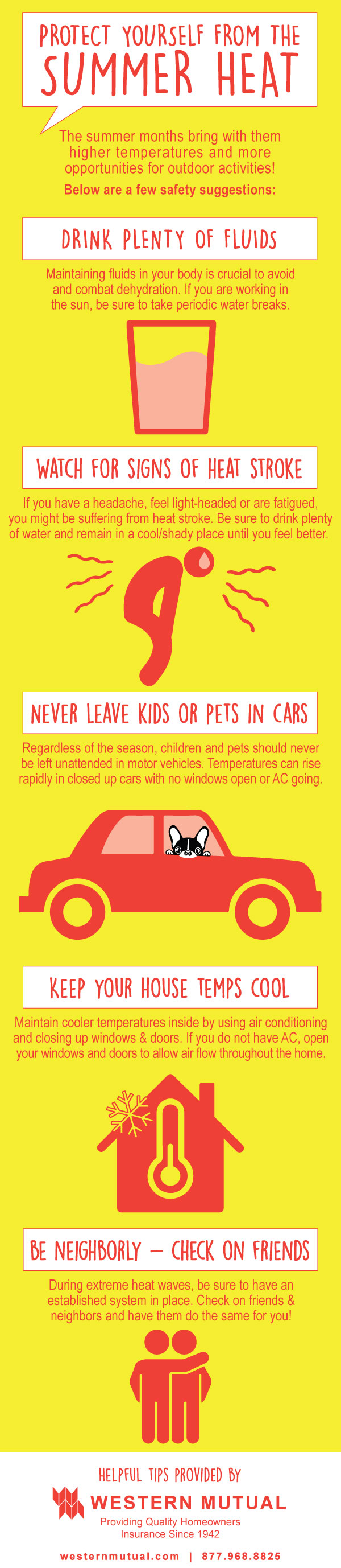
We are officially in the peak of the summer season! As the temps continue to rise, we want to share with you an infographic which gives tips on how to stay safe in this heat. Heat stroke is a serious condition that can seriously harm us, our children and pets. Remember to stay hydrated and to take frequent shade & water breaks if you are working out in the hot sun! Stay cool!  Fall is just around the corner!

WM_Heat-Safety-Infographic_2019


wm-quote-button

Heat Safety

WM-Hello-Summer_7.17.19

The summer months are upon us and so is the potential for you, your family and pets to suffer from heat stroke. July and August can be scorchers so be sure to utilize things around you that can help you beat the heat! Handheld fans, umbrellas for shade, water bottles, lighter colored clothing, flip flops and cold drinks are all things that can help you stay cool! Taking cool showers, applying sunscreen and using your AC unit or fan can assist as well! Also, be mindful of how quickly your car can heat up when you run into a store for a quick iced coffee…never leave your trusted furry companions in your car! Stay cool this summer!

wm-quote-button

Hot Dog Month

WM-Happy-Summer_7.5.19

The weather is heating up and so is the grill! Partake in National Hot Dog Month by gathering some friends and enjoying the great outdoors! If you don’t like hot dogs, or don’t eat meat, grab a burger (or vegetarian patty), some friends and enjoy a fun barbeque! Keep calm and grill on this summer!!

Looking for some inspiration to liven up your next barbeque? Check out Rachael Ray’s webpage for more options!

wm-quote-button

Happy Fourth of July

WM-Happy-Fourth_7.4.19

This week our great nation turns 243 years young! Every Independence Day, we celebrate the sacrifices our ancestors and patriots have made for this country which have enabled us the freedom that we hold so dear. From all of us at Western Mutual, we wish you a fun and safe Fourth of July holiday.

Looking for Fourth of July party inspiration? Head over to Martha Stewart’s website for some festive flair!

wm-quote-button

Firework Safety

Next week, we will gather with family and friends to celebrate our Independence Day!  We wanted to wish you a Happy Fourth while reminding you of some firework safety tips. Did you know that many cities prohibit the purchase and launch of fireworks?  If you are within a city that permits it and choose to partake, be sure to not launch fireworks near your home or brush areas, and retreat to a safe distance after igniting the fireworks. Remember to always make sure adults are present and that fireworks do not get into the hands of children.  Following these tips will ensure a safe and happy holiday season for all!

WM-Flag-Day_6.14.19

wm-quote-button