Should I Shop for Home Insurance During Escrow?

Yes, it’s a good idea to start shopping for home insurance during the escrow process. Home insurance is a crucial component of protecting your investment, and having coverage in place is often a requirement from mortgage lenders.

Here are some reasons why you should consider shopping for home insurance during escrow:

Lender Requirement: Most mortgage lenders require proof of insurance before they finalize your loan. They want to ensure their investment is protected in case of unforeseen events like fire, theft, or natural disasters.

Closing Requirements: Home insurance is typically needed to close the deal. Sellers may also want assurance that the buyer has insurance coverage in place, especially if there’s a gap between closing and when the buyer moves in.

Coverage Options: Shopping for insurance early allows you to explore different coverage options and find the policy that best fits your needs and budget. This can take some time, and it’s better to have this sorted out before the closing date.

Avoid Last-Minute Stress: Securing insurance during escrow helps avoid any last-minute rush or stress. It ensures that everything is in order and ready for the closing process.

When shopping for home insurance, consider factors such as coverage limits, deductibles, liability coverage, and any additional coverage you may need for specific risks in your area. It’s advisable to get quotes from multiple insurers to compare prices and coverage options. Be prepared to provide information about the home, such as its size, age, construction materials, and any safety features.

Consult with your real estate agent and mortgage lender to understand their requirements and deadlines and ensure a smooth transition from escrow to homeownership.

Visit us online at WestenMutual.com

What Does a Home Insurance Quote Represent?

A home insurance quote represents an estimate of the cost of an insurance policy that covers a residential property. When you request a home insurance quote, insurance providers assess various factors to determine the coverages needed to adequately insure your home as well as risk calculations for your property. The quote is essentially the price you would pay for the insurance coverage based on these considerations.

Here are some key factors that typically influence a home insurance quote:

Property Value: The replacement cost of your home, which is the amount it would take to rebuild your home in case of a total loss, is a significant factor.

Location: The geographic location of your home plays a role in the quote. Factors such as crime rates, proximity to fire stations, and susceptibility to natural disasters can impact the cost.

Coverage Amount: The level of coverage you choose affects the quote. Higher coverage limits and additional coverage options will generally result in a higher premium.

Deductible: The deductible is the amount you agree to pay out of pocket before your insurance coverage kicks in. Choosing a higher deductible can lower your premium, but it means you’ll pay more in the event of a claim.

Home Features: Details about the construction and features of your home, such as the materials used, the age of the home, the presence of safety features (like smoke detectors and security systems), and the condition of the roof, can impact the quote.

Personal Property: The value of your personal belongings, including furniture, electronics, and other possessions, is considered in the quote. You may need to provide an estimate of the value of your personal property.

It’s essential to review the details of the quote and understand the coverage offered, as well as any exclusions or limitations. Additionally, you can often customize your coverage based on your specific needs. Keep in mind that the final premium may be subject to change based on underwriting and other considerations when you officially apply for the insurance policy.

Visit us online at WestenMutual.com

New Year’s Resolutions for every homeowner

If you’re a homeowner, the beginning of a new year is a great time to set resolutions that can improve your home’s functionality, aesthetics, and overall value. Here are some New Year’s resolutions that every homeowner may consider making:

Home Maintenance Checklist:

Create a comprehensive checklist for regular home maintenance tasks. This can include seasonal tasks such as cleaning gutters, checking the HVAC system, and inspecting the roof.

Energy Efficiency Upgrades:

Make a resolution to increase your home’s energy efficiency. This might involve upgrading insulation, sealing drafts, installing a smart thermostat, or replacing old windows and doors.

Declutter and Organize:

Decluttering can make your home more organized and visually appealing. Resolve to go through each room, getting rid of items you no longer need and organizing the ones you keep.

Emergency Preparedness:

Create or update your home’s emergency kit. Check and replenish supplies regularly and ensure that all family members are aware of emergency procedures.

Financial Planning:

Set a budget for home improvements and maintenance. This will help you prioritize projects, avoid overspending, and ensure you’re financially prepared for unexpected repairs.

Landscaping and Curb Appeal:

Enhance your home’s curb appeal by planning and executing landscaping projects. This could involve planting new flowers, trimming trees, and bushes, or updating outdoor lighting.

Home Security Measures:

Invest in or update your home security system. This may include installing security cameras, updating locks, or adding motion sensor lights to deter potential intruders.

Water Conservation:

Implement water-saving measures both indoors and outdoors. Fix any leaks, install low-flow faucets and toilets, and consider xeriscaping or using drought-resistant plants in your landscaping.

Regular Deep Cleaning:

Commit to regular deep cleaning sessions to maintain a healthy living environment. This can include carpet cleaning, air duct cleaning, and thorough kitchen and bathroom cleaning.

Home Improvement Projects:

Identify and prioritize home improvement projects that will add value to your property. This could be a kitchen or bathroom renovation, updating flooring, or enhancing the functionality of specific rooms.

Regular Appliance Maintenance:

Create a schedule for checking and maintaining your household appliances. This includes cleaning filters, checking for leaks, and ensuring that all appliances are in good working condition.

Insurance Review:

Review your homeowners insurance policy to ensure it adequately covers your property and possessions. Update the policy if needed and consider adding additional coverage for valuable items.

Remember that setting realistic and achievable goals is key to successful resolutions. Tailor these suggestions to your specific home and lifestyle and take small steps throughout the year to accomplish your homeowner resolutions.

Visit us online at WestenMutual.com

Christmas Holiday Home Safety Tips

Ensuring the safety of your home during the holiday season is important. Here are some Christmas home safety tips to help you create a secure and enjoyable environment:

Christmas Tree Safety:

If you have a live tree, water it regularly to prevent it from drying out and becoming a fire hazard.

Keep the tree away from heat sources such as fireplaces, radiators, and heaters.

Lights and Decorations:

Use lights and decorations that are labeled as flame-resistant. Check lights for frayed wires, broken bulbs, and loose connections before putting them up. Avoid overloading electrical outlets and use extension cords wisely.

Candles:

Keep candles in stable holders, away from flammable materials and out of reach of children and pets.

Never leave candles unattended and extinguish them before going to bed or leaving the house.

Fireplace Safety:

Use a screen in front of the fireplace to prevent sparks from escaping. Keep flammable items, such as decorations and wrapping paper, away from the fireplace.

Cooking Safety:

Stay in the kitchen when cooking, especially if using the stove or oven. Keep flammable items away from the cooking area. Have a fire extinguisher in the kitchen and know how to use it.

Child and Pet Safety:

Place small decorations and ornaments out of reach of children and pets to prevent choking hazards.

Be cautious with holiday plants, as some can be toxic to pets if ingested.

Secure Decorations:

Anchor Christmas trees securely to prevent them from tipping over. Avoid placing decorations on unstable surfaces or near the edges of tables and countertops.

Emergency Preparedness:

Ensure your smoke detectors are working properly and replace batteries if needed. Have an emergency evacuation plan in case of a fire or other emergencies.

Gift Wrapping Safety:

Dispose of wrapping paper in a safe manner to avoid fire hazards. Keep scissors and small objects out of the reach of young children.

By following these Christmas home safety tips, you can create a festive and secure environment for your family and guests during the holiday season.

Visit us online at WestenMutual.com

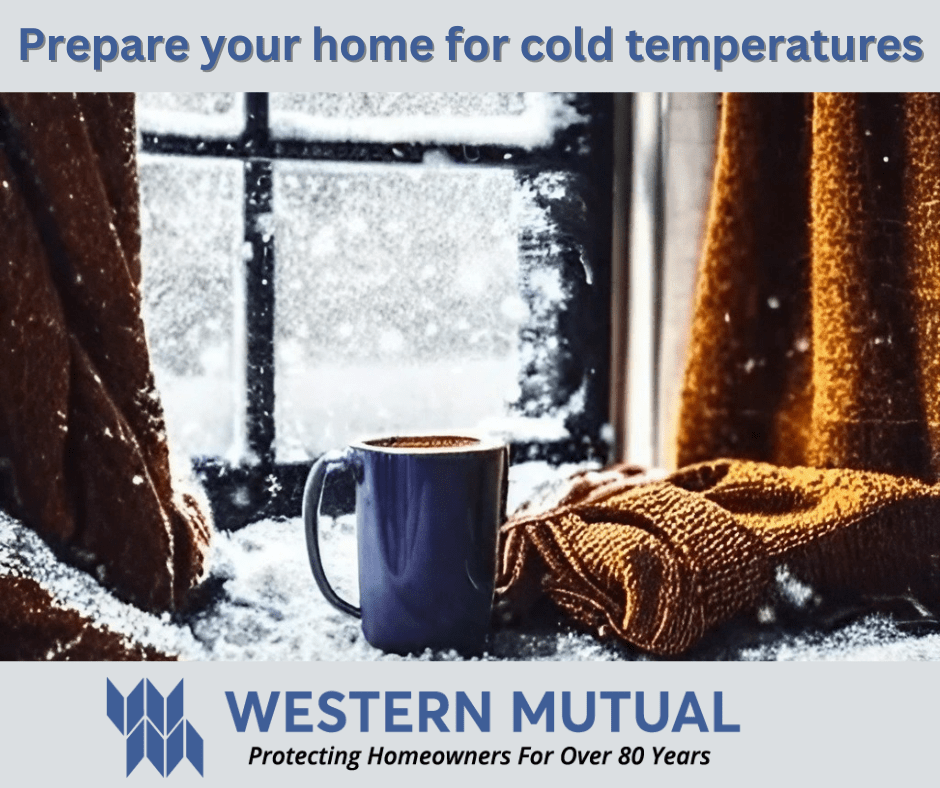
Prepare your home for cold temperatures

Preparing your home for cold temperatures is essential to keep it warm and comfortable while also saving on energy costs. Here are some steps to help you get your home ready for colder weather:

Insulate Windows and Doors:

Check drafts around windows and doors. Use weather stripping, caulk, or draft stoppers to seal any gaps.Consider adding insulating window film or using heavy curtains to reduce heat loss.

Insulate Walls and Attic:

Insulate your walls and attic to keep the warm air inside. Proper insulation can significantly reduce heating costs. If your home is not well insulated, consider adding more insulation.

Service Your Heating System:

Schedule a professional inspection and maintenance for your heating system (furnace, heat pump, or boiler) before the cold weather arrives. Replace the air filter in your heating system regularly to maintain efficiency.

Maintain a Minimum Temperature of 65ºF:

 To keep your house warm, make sure the indoor temperature doesn’t drop below 65ºF. This is a common recommendation for comfort and to prevent pipes from freezing in cold weather.

Use a Programmable Thermostat:

Install a programmable thermostat to regulate your home’s temperature more efficiently. Set it to lower the temperature when you’re away or asleep and raise it when you’re home.

Seal Gaps and Cracks:

Seal any gaps or cracks in the walls, floors, and ceilings to prevent cold air from infiltrating your home.

Reverse Ceiling Fans:

Reverse the direction of your ceiling fans to circulate warm air downward during the winter months.

Maintain Chimney and Fireplace:

If you have a fireplace, ensure the chimney is clean and in good working condition. Close the damper when not in use. Consider using a fireplace insert to improve efficiency.

Service and Insulate Pipes:

Insulate exposed water pipes to prevent freezing and potential burst pipes. Drain and store garden hoses and shut off exterior faucets.

Stock Up on Winter Supplies:

Have an emergency kit with essentials like flashlights, batteries, blankets, and non-perishable food in case of power outages.

Monitor Carbon Monoxide and Smoke Detectors:

Ensure that your carbon monoxide and smoke detectors are in good working condition and replace their batteries if necessary.

Consider Insulated Drapes or Blinds:

Insulated window coverings can further reduce heat loss and keep your home warmer.

Prepare for Power Outages:

Invest in a backup generator or consider purchasing battery-operated backup systems to keep essential appliances running during power outages.

Here are some additional tips for winterizing your home and outdoor areas:

Drain and Remove Hoses, Cover Faucets:

Before winter sets in, it’s essential to disconnect and drain all garden hoses. Water left inside hoses can freeze, expand, and damage them. Additionally, cover outdoor faucets with faucet covers or insulating materials to protect them from freezing temperatures.

Clean and Repair Gutters:

Ensure that your gutters are free of debris, such as leaves and sticks. Clogged gutters can lead to ice dams, which can damage your roof and create leaks in your home. Consider repairing any damaged gutters or downspouts to maintain proper water drainage.

Store Patio Furniture and Grill:

As the colder months approach, it’s a good idea to store patio furniture and grills in a sheltered area like a garage or shed. If storage isn’t possible, protect them with weatherproof covers to prevent damage from snow and moisture.

By taking these steps to prepare your home for cold temperatures, you can create a warmer, more energy-efficient living environment while also reducing the risk of cold-weather-related issues like frozen pipes and drafts.

Visit us online at WesternMutual.com

                                             Thanksgiving Home Cooking Safety Tips

Thanksgiving is a wonderful time for family and friends to come together and enjoy a delicious meal, but it’s also a time when cooking-related accidents can happen. To ensure a safe and enjoyable Thanksgiving, here are some cooking safety tips to keep in mind:

Stay in the kitchen: Never leave cooking food unattended, especially when using stovetops, ovens, or deep fryers. Assign someone to watch over the kitchen if you need to step away briefly.

Keep flammable items away: Keep flammable materials, such as dish towels, oven mitts, and paper towels, away from hot surfaces and open flames.

Use a timer: Set timers to remind yourself when to check on food in the oven or on the stovetop. This helps prevent overcooking or forgetting about dishes.

Keep children and pets away: Make sure that children and pets are supervised and kept away from the cooking area. A “kid-free zone” in the kitchen can help prevent accidents.

Handle hot dishes with care: Use oven mitts or pot holders to handle hot cookware, and be mindful of steam when opening lids on hot pots and pans.

Prevent grease fires: If deep-frying a turkey or any other food, do it outside on a stable surface, away from structures, and ensure the turkey is fully thawed and dry to avoid splattering hot oil. Keep a fire extinguisher nearby, just in case.

Don’t overfill pots and pans: Overfilling pots with oil or liquid can cause spills and lead to dangerous situations. Follow recommended filling levels.

Be cautious with turkey fryers: If using a turkey fryer, ensure it’s on a level, non-combustible surface, away from flammable materials, and never use it indoors. Follow the manufacturer’s instructions for safe use.

Test your smoke detectors: Make sure your smoke detectors are working properly and have fresh batteries in case of a fire.

First aid kit: Have a well-stocked first aid kit on hand in case of minor accidents.

Properly handle leftovers: Refrigerate leftovers promptly to prevent foodborne illnesses. Don’t leave them out at room temperature for an extended period.

Use a food thermometer: Ensure that your turkey and other meats reach the recommended safe internal temperature to avoid foodborne illnesses. For poultry, the minimum safe temperature is 165°F (73.9°C).

Safely thaw your turkey: If you have a frozen turkey, thaw it in the refrigerator, in cold water, or using the microwave, following recommended guidelines. Never thaw a turkey at room temperature.

Keep the kitchen clutter-free: A tidy kitchen reduces the risk of tripping over items and causing accidents.

Be mindful of electrical safety: Check cords, plugs, and outlets for damage, and avoid overloading electrical outlets by using power strips or extension cords safely.

By following these Thanksgiving cooking safety tips, you can ensure a safe and enjoyable holiday for you and your loved ones. Remember that safety should always be a priority when preparing your Thanksgiving feast.

Visit us online at WesternMutual.com

Can Your Homeowners Insurance Be Canceled?

Yes, homeowners insurance can be canceled, but it typically requires specific circumstances and procedures. Here are some common reasons for the cancellation of homeowners insurance and how it can occur:

Non-Payment of Premiums: If you fail to pay your insurance premiums, your insurer may cancel your policy. They will send you a notice of cancellation, which may give you a grace period during which you can make the necessary payment to avoid cancellation or reinstate the policy.

Misrepresentation: If you provide false or inaccurate information, or conceal relevant information, when applying for a homeowners insurance policy or pursuing a claim, the insurer may cancel the policy. It’s essential to be honest and accurate when providing information about your property and circumstances.

New Policies:  Insurers can cancel policies in the early part of the first term, typically the first 60 days after the inception date, for a variety of reasons. These may include discovery of unacceptable property conditions – such as a roof in poor condition or other maintenance concerns – or the presence of high-risk animals.

Occupancy:  Changes in occupancy may result in policy cancellation.  For example, a homeowners policy is intended to cover owner occupied properties; insurers may cancel homeowners policies on rental properties.  It is important that properties have the appropriate policy for the type of risk insured.

Changes in Risk: Insurers may cancel policies if there are significant changes in the risk profile of the insured property. For example, if your home becomes vacant or unoccupied for an extended period, it may be considered higher risk, leading to policy cancellation.

It’s important to note that insurance companies cannot cancel your policy without providing proper notice, and there are laws and regulations in place to protect homeowners from unfair or arbitrary cancellations. The notice period varies by state and the reason(s) for the cancellation,  with the intention of giving you time to address any issues or find alternative coverage. 

If your homeowners insurance policy is canceled, you should work with your insurer to understand the reasons and address any issues that led to the cancellation. You may need to seek a new policy from a different insurer to ensure your property remains protected. It’s essential to maintain continuous coverage to safeguard your home and financial interests.

Visit us online at WesternMutual.com

Fall Home Maintenance

Fall is a great time to prepare your home for the colder months and ensure it’s in good condition to withstand the changing weather. Here’s a fall home maintenance checklist to help you get started:

Inspect and Clean Gutters and Downspouts: Remove leaves, twigs, and debris from gutters and downspouts to prevent clogs and water damage.

Check the Roof: Inspect the roof for damaged or missing shingles and repair as needed.Ensure that flashing around chimneys and vents is secure and sealed.

Seal Windows and Doors: Check for drafts and seal any gaps around windows and doors with weatherstripping or caulk.

Clean and Service the HVAC System: Have your heating system serviced by a professional to ensure it’s working efficiently.Change or clean furnace filters.

Insulate Pipes and Faucets: Insulate exposed water pipes to prevent freezing. Disconnect garden hoses and drain outdoor faucets.

Clean the Fireplace and Chimney: Have your chimney cleaned and inspected before using your fireplace. Clean the fireplace and remove any ashes or debris.

Trim Trees and Shrubs: Trim any overhanging branches that could pose a threat during winter storms.

Inspect and Clean the Siding: Check the siding for any damage or rot and repair as needed.Pressure wash the exterior to remove dirt and mildew.

Check and Clean the Drains: Ensure that storm drains and outdoor drainage systems are clear of debris to prevent water buildup.

Prepare for Winter Emergencies: Stock up on essential supplies like rock salt, snow shovels, and ice melt.Create an emergency kit with flashlights, batteries, candles, and non-perishable food.

Inspect the Attic and Basement: Check for leaks, moisture, and signs of pests in these areas.Consider adding extra insulation to conserve energy.

Check Exterior Lighting: Replace any burnt-out bulbs in outdoor lighting to ensure safety and security during the darker months.

By following this fall home maintenance checklist, you can help ensure that your home remains in good condition and ready for the challenges of the winter season. Regular maintenance can save you money and prevent costly repairs down the road.

For more home tips or to get a quote for home insurance, visit us at WesternMutual.com.

Why do I need home insurance?

Home insurance is essential for several reasons. Here are some key reasons why you need home insurance:

Property protection: Home insurance provides coverage for the structure of your home and other physical structures on your property, such as a garage or shed. It protects your home against damage caused by perils like fire, lightning, storms, vandalism, and other covered events. If your home is damaged or destroyed, the insurance can help cover the cost of repairs or rebuilding.

Personal belongings coverage: Home insurance also includes coverage for your personal belongings. This includes items like furniture, appliances, electronics, clothing, and other possessions. If your belongings are damaged, destroyed, or stolen, your insurance can help you replace them.

Liability coverage: Home insurance provides liability coverage, which protects you if someone is injured on your property and you are found responsible. It covers medical expenses, legal fees, and other costs associated with the liability claim. For example, if a guest slips and falls in your home and sues you for their injuries, your insurance can help cover the costs.

Additional living expenses: If your home becomes uninhabitable due to a covered event, home insurance can cover the cost of temporary accommodation, meals, and other necessary expenses while your home is being repaired or rebuilt. This is known as loss of use coverage.

Mortgage requirement: If you have a mortgage on your home, your lender will typically require you to have home insurance. It protects their investment in case of damage to the property.

Peace of mind: Having home insurance provides peace of mind, knowing that you have financial protection in case of unexpected events. It allows you to focus on enjoying your home without worrying about the potential financial burdens that may arise from accidents or disasters.

It’s important to carefully review and understand your insurance policy to know what is covered and what exclusions or limitations may apply. Different policies offer varying levels of coverage, so it’s advisable to compare quotes and choose a policy that suits your needs and budget.

To get a quote or discuss how we can help you with choosing your home insurance provider, call us at (800) 234-2103 or get a free 30 second quote on westernmutual.com.

How to choose a home insurance company

Choosing a home insurance company requires careful consideration to ensure you select a reliable and reputable provider. Here are some steps to help you choose a home insurance company:

Assess your needs: Before you start searching for an insurance company, evaluate your specific needs and requirements. Consider factors such as the value of your home, its location, the type of coverage you need (e.g., structural damage, personal belongings, liability), and any additional coverage options you may want (e.g., earthquake coverage, scheduled personal property).

Check financial strength: It’s important to choose an insurance company with a strong financial standing. Several independent rating agencies, such as A.M. Best, Standard & Poor’s, and Moody’s, evaluate the financial strength of insurance companies. Look for a company with a high rating to ensure they can fulfill their obligations if you need to file a claim.

Review coverage options: Examine the coverage options provided by each insurance company. Ensure that the policies they offer align with your specific needs. Compare the coverage limits, deductibles, and any exclusions or limitations in the policies. Consider whether they offer any additional benefits or discounts that may be valuable to you.

Compare premiums: While cost should not be the sole determining factor, it is essential to compare the premiums offered by different insurance companies. Obtain quotes from several providers based on the same coverage and deductible amounts. Ensure you understand what is included in the quoted premium and any discounts available.

Read the policy carefully: Before making a final decision, carefully review the policy documents of the insurance company you are considering. Ensure that you understand the terms, conditions, coverage, exclusions, deductibles, and any limitations mentioned in the policy. If you have any questions, seek clarification from the insurance company or an agent.

To get a quote or discuss how we can help you with choosing your home insurance provider, call us at (800) 234-2103 or get a free 30 second quote on westernmutual.com.