Why not kick off the summer season by putting some extra cash in your pocket?
If you’re in the market for new homeowners insurance, start your no obligation quote today and find out how much we can save you. And even if you weren’t planning on switching, all it takes is 30 seconds to see how competitive our rates are compared to those other guys.
We are rated A+ by AM BEST and have an A rating with the BBB too!
So what are you waiting for? Visit us online to switch and save at http://www.westernmutual.com or call one of our licensed agents who are ready to help at 877-WMUTUAL (877-968-8825) Monday through Friday 8:00 AM to 5:00 PM PST/PDT.
Your homeowner’s policy coverages otherwise known as the declaration page can be difficult to understand if you have never reviewed or questioned what they mean. As a preferred insurance carrier, we strive to make our insured’s understand the coverages presented to them. Below you will find some commonly mentioned terms that are listed on your policy with a brief explanation as to what they are.
Dwelling Coverage- This covers your home’s structure —not interior contents or the land. However, features like installed fixtures such as solar panels are covered under this description.
Personal property- This the stuff you own — furniture, electronics and clothing, for example. Whether you own a home or rent an apartment, insurance policies typically include personal property coverage.
Personal Liability- Liability coverage protects you from lawsuits filed by others. This clause even includes your pets! So if someone were to sustain an injury on your property, like a slip and fall situation or bitten by your dog, liability will come into play.
Deductible- This can be a set amount or a percentage, it is the amount of money that you are responsible for paying before your insurance company will pay you for an insured loss pending valuation from an adjustor.
Knowledge is power and we hope we provided some useful information to help you better understand your coverages.
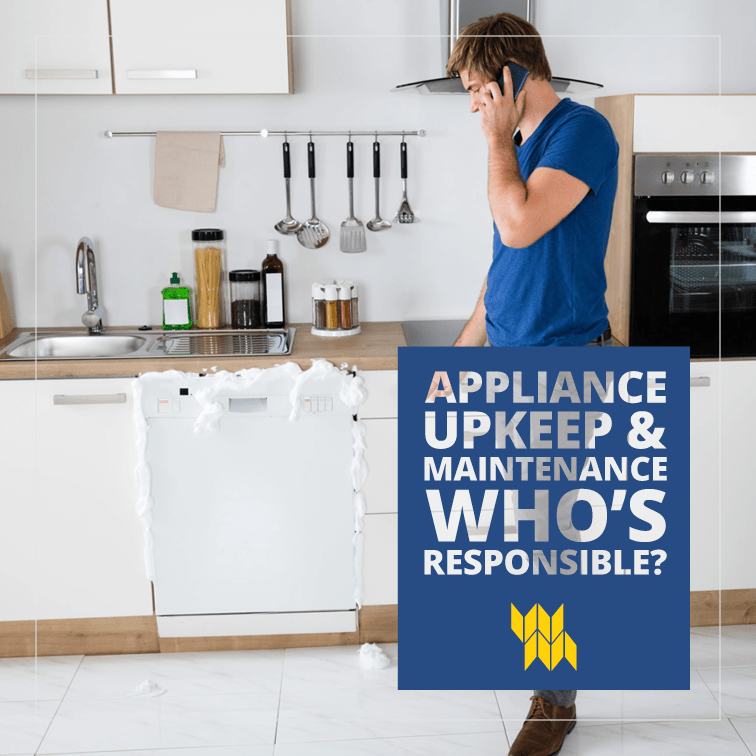
Homeowners insurance provides you the coverage necessary to know your home is protected against unexpected damages from perils such as fire, theft, vandalism and civil commotion. However, when it relates to repairs or maintenance of your appliances, a home insurance policy does not cover those items but a home warranty will. Similar to a car, one would not call their insurance for new tires or an oil change, the basic maintenance it needs, but instead refer to a potential car warranty that offered those services. The main difference between an insurance policy and a warranty policy is that the insurance on the home is mandated by the lender as oppose to the warranty that is not. We hope that in sharing this vital information, we answer some concerns or doubts about your policy.
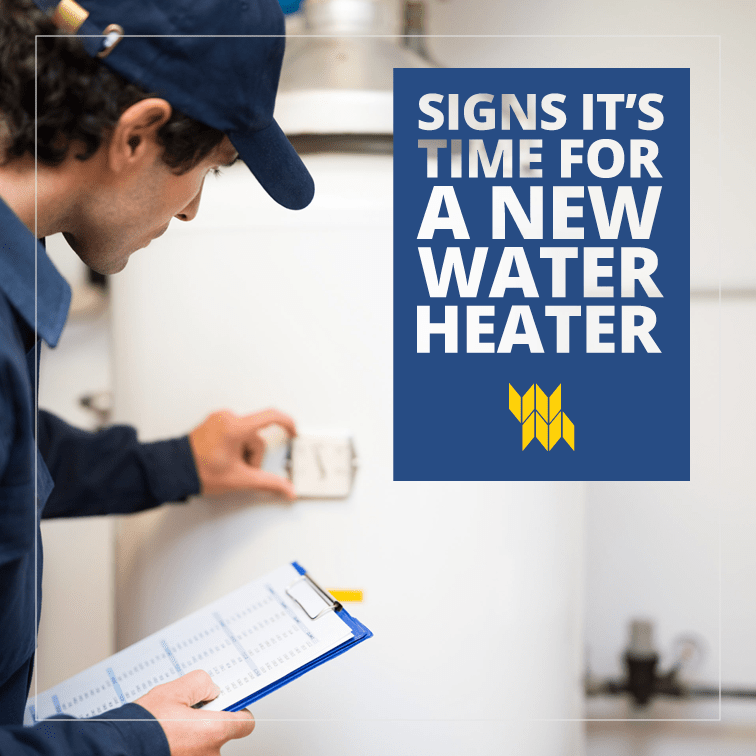
Owning a home is not an easy task to take on, although a big accomplishment, we must stay on top of appliance maintenance and repair to ensure the longevity of our investment. One appliance of high importance that should be replaced or inspected is your water heater, and the following are signs that it may be time for a new one.
First and foremost, if the unit is more than 10 years old…it’s time for a new one. Operating a water heater older than this can cause major damage to your home from a leaking pipe or overheated engine.
Also, if your appliance makes any type of noise while operating such as rumbling, shaking or popping sounds. This can be a sign that the water heater is struggling to safely heat and poses a major threat.
Another obvious sign is if your hot water comes out tinted or brown, shown signs that the metal has corroded and is probably damaging your unit or wall space.
If any of these signs exist or you’re unsure of the age of your appliance it is suggested to have it inspected by a licensed plumber.
And don’t forget to always earthquake secure your water heater!
Like many homeowners, our garage becomes our much-needed storage unit that with time accumulates several items you may not even remember are in there. However, some items can actual pose a danger to your home if stored in the garage.
Items you SHOULD NOT store in the garage are:
Fuel- whether it is gas, propane tanks or portable cans for camping. These are highly flammable and can unknowingly be leaking near areas of potential ignition such as your water heater. If the garage is the only place you can store them, invest in leak-proof containers and frequently check for cracks or leaks.
Furniture or Clothing- Unless your garage is temperature controlled, clothes and furniture risk being ruined by the high heat and cold dips it incurs. Also, rodents and pest can destroy and infest your belongings.
Food- Perishable items are an open invite to rodents and unwanted creatures or vermin. With that being said, think twice about putting a refrigerator in the garage as the fluctuating temperatures can cause the appliance to not operate correctly and over heat, posing a fire risk.
Items you SHOULD store in the garage are:
Lawn tools- Things like extra pots, bags of soil, gardening tools, plastic bins with seeds and water hoses
Sports equipment- Outdoor equipment is the ideal things to store in your garage as they are made to handle the weather/temperature changes
Patio furniture- patio furniture is okay to store in the garage, although sometimes bulky and not easily stackable. These pieces are approved for garage storage.
And of course, your car.
We hope this enables you to revisit the items in your garage and properly store or relocate some items for your safety.
Now, $30 may not seem like a lot, but we offer several discounts that can add up to more than just that. Which makes switching and saving to Western Mutual easier than ever with a dedicated staff of licensed agents ready to assist you in getting a quote, cancelling your current policy or with any questions you may have about our coverages.
It is our pleasure to help you obtain proper coverage at a low rate for you home, condominium and seasonal properties. Visit us online at www.westernmutual.com or call today toll free at 1-800-968-8825, because 30 seconds could save you $30 or more.
We all hear that bundling your insurance policies can save you money! And in some instances it may. However, it isn’t always the most cost savings, and here’s why.
Often auto insurance premiums can vary widely by person, and most bundling companies offer discounts to combine both policies with one company. However, these discounts often expire after a year or two and you are left with a higher homeowners premium than if you went with a home insurance specific company.
Always shop around to see what the combined total would be, whether with more than one company or the same company, and make sure your coverages are adequate for both home and auto.
If you’d like to get a free online 30 second quote to see if you can save money, visit us at http://www.westernmutual.com.
As your preferred insurance carrier for over 75 years, Western Mutual would like to invite you to stay connected with us by following our social media page on all major platforms. This will allow you to keep up with our weekly blogs, frequently asked questions, website updates, human-interest stories and our soon to come, Facebook live sessions.
We are active on the following platforms; just search us by name!
Facebook, Instagram, Twitter and our very own media room that can be found by visiting www.westernmutual.com
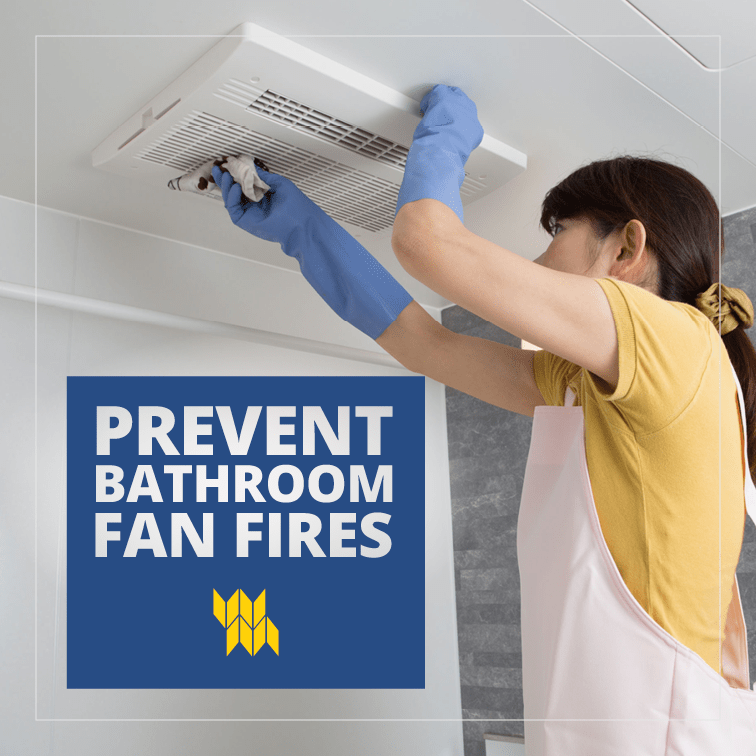
Almost every home maintenance blog you come across will list the importance of cleaning things like your gutters and fireplace but many miss a hidden danger that is in every home. Although you may not think about it, your bathroom exhaust fan can pose a risk and spark a fire as it is an electrical appliance built into the ceiling of your bathrooms.
We want to share some tips on how to clean and reduce the risk of having a bathroom fan fire.
Always remove the vent screen to get rid of dust build up or any mold, which may have started growing. The proper procedure after safely removing it is by submerging it in warm soapy water with bleach. Once this is completed, let it air dry while you clean the air duct.
More often than not, the air duct collects more dust and buildup then the actual vent screen, which does not allow the fan to have max airflow and causes the motor to overheat, posing a fire risk.
Pay attention to things like potential wires that may be loose or details such as screws that may need to be tightened to prevent rattling or falling out and interfering with the fan.
You may want to install a timer to reduce the risk of a fire as leaving the fan on for hours can cause the motor to overheat. Our suggestion is to limit fan usage to 20 minutes or less and only turn on when truly necessary.
In addition, hiring a licensed electrician is a good idea if you are not familiar with the installation or inner components of the bathroom exhaust.
We hope this will keep your family and home safe from this forgotten about danger.








 Western Mutual Insurance Group