Fall Home Maintenance

Fall is a great time to prepare your home for the colder months and ensure it’s in good condition to withstand the changing weather. Here’s a fall home maintenance checklist to help you get started:

Inspect and Clean Gutters and Downspouts: Remove leaves, twigs, and debris from gutters and downspouts to prevent clogs and water damage.

Check the Roof: Inspect the roof for damaged or missing shingles and repair as needed.Ensure that flashing around chimneys and vents is secure and sealed.

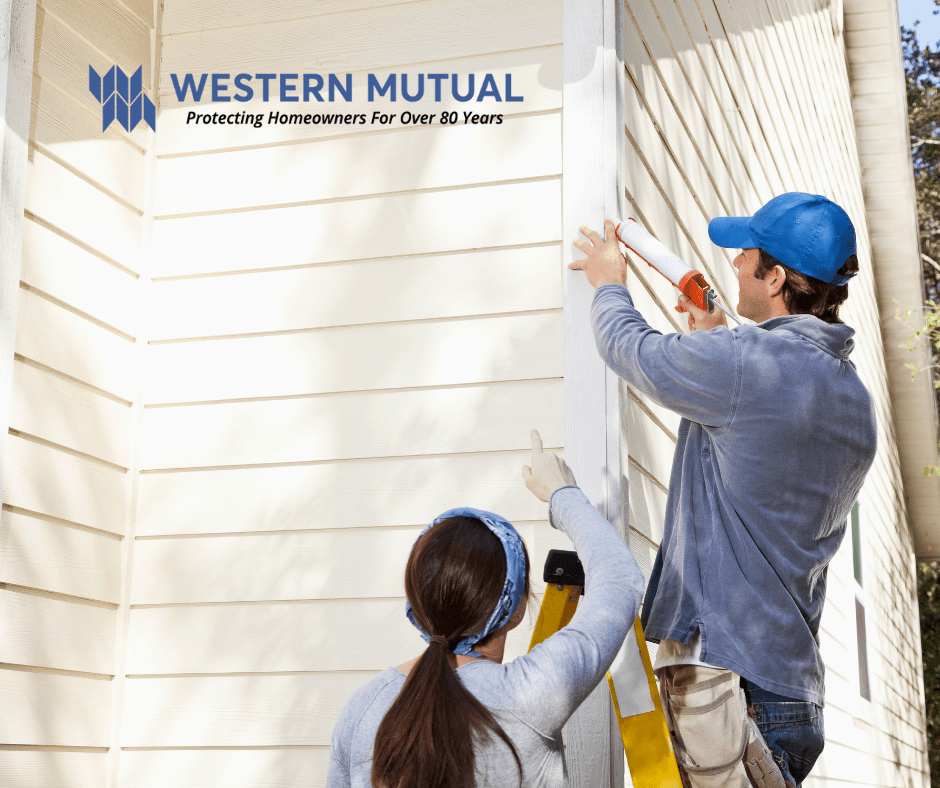
Seal Windows and Doors: Check for drafts and seal any gaps around windows and doors with weatherstripping or caulk.

Clean and Service the HVAC System: Have your heating system serviced by a professional to ensure it’s working efficiently.Change or clean furnace filters.

Insulate Pipes and Faucets: Insulate exposed water pipes to prevent freezing. Disconnect garden hoses and drain outdoor faucets.

Clean the Fireplace and Chimney: Have your chimney cleaned and inspected before using your fireplace. Clean the fireplace and remove any ashes or debris.

Trim Trees and Shrubs: Trim any overhanging branches that could pose a threat during winter storms.

Inspect and Clean the Siding: Check the siding for any damage or rot and repair as needed.Pressure wash the exterior to remove dirt and mildew.

Check and Clean the Drains: Ensure that storm drains and outdoor drainage systems are clear of debris to prevent water buildup.

Prepare for Winter Emergencies: Stock up on essential supplies like rock salt, snow shovels, and ice melt.Create an emergency kit with flashlights, batteries, candles, and non-perishable food.

Inspect the Attic and Basement: Check for leaks, moisture, and signs of pests in these areas.Consider adding extra insulation to conserve energy.

Check Exterior Lighting: Replace any burnt-out bulbs in outdoor lighting to ensure safety and security during the darker months.

By following this fall home maintenance checklist, you can help ensure that your home remains in good condition and ready for the challenges of the winter season. Regular maintenance can save you money and prevent costly repairs down the road.

For more home tips or to get a quote for home insurance, visit us at WesternMutual.com.

Rising Insurance Costs?! Why?

There could be several reasons why the cost to cover your home has gone up this year. Here are some possible factors that could contribute to an increase in insurance premiums:

Inflation: Insurance premiums are influenced by the overall increase in prices and the cost of goods and services due to inflation.

Construction Costs:  If the cost of building labor or other factors relevant to your home insurance policy has increased, it can lead to higher premiums.  The past year or so has seen historic rises in construction costs. 

Changes in coverage: If you’ve made modifications to your insurance policy, such as adding additional coverage options or increasing coverage limits, your premium will likely increase to reflect the expanded coverage.

Local factors: Insurance premiums can be affected by local factors such as the increased exposure from climate – related perils such as wildfires and severe weather events in your area. 

Reinsurance costs: As general costs increase and natural disasters become more frequent in certain areas, the cost of reinsurance (insurance for the insurance company) increases, adding to the general overhead costs. 

It’s essential to review your policy documents or contact your insurance provider directly to understand the specific reasons for the increase in your home insurance premium. They can provide detailed information and help you make informed decisions about your coverage.

Summer Heat Home Safety Tips

When it comes to summer heat safety in and around your home, it’s essential to keep yourself and your loved ones protected from the potential risks associated with high temperatures. Here are some tips to ensure a safe and comfortable summer:

Stay hydrated:

Drink plenty of water throughout the day to stay hydrated, especially during hot weather. Avoid excessive consumption of alcoholic or caffeinated beverages as they can contribute to dehydration.

Use fans and air conditioning:

If you have access to fans or air conditioning, make sure to use them to keep the indoor temperature cool. Ceiling fans or portable fans can help circulate air and create a breeze, while air conditioning units can provide relief from the heat.

Keep windows and curtains closed:

During the hottest parts of the day, keep windows and curtains closed to prevent hot air from entering your home. Once the temperature outside drops in the evening or early morning, open windows to let in cool air and create cross-ventilation.

Create shade:

Use shades, blinds, or curtains to block out direct sunlight and reduce heat gain inside your home. Consider installing exterior shading devices, such as awnings or sunscreens, to prevent heat from penetrating windows.

Avoid strenuous activities:

Engaging in intense physical activities during extremely hot weather can put additional strain on your body. If possible, reschedule outdoor activities for cooler times of the day, such as early morning or evening when temperatures are lower.

Check on vulnerable individuals:

 Keep an eye on infants, young children, elderly individuals, and those with chronic health conditions who are more susceptible to heat-related illnesses. Make sure they stay cool and well-hydrated.

Stay informed:

Stay updated on local weather forecasts and heat advisories to be aware of potential heatwaves or extreme temperatures. This information can help you plan your activities and take necessary precautions.

Have a backup plan:

In case of a power outage or air conditioning failure, have a backup plan to stay cool. Identify places nearby, such as libraries, community centers, or shopping malls, that have air conditioning and can serve as temporary cooling spots.

Be prepared for emergencies:

 Have an emergency kit with essential supplies, including first aid items, a battery-powered fan or hand-held fan, extra water, non-perishable food, and a flashlight in case of extended power outages or other emergencies.

Remember, heat-related illnesses, such as heat exhaustion or heatstroke, can be dangerous. If you or someone you know experiences symptoms like dizziness, nausea, rapid heartbeat, confusion, or fainting, seek medical attention immediately.

To get a quote or discuss how we can help you with choosing your home insurance provider, call us at (800) 234-2103 or get a free 30 second quote on westernmutual.com.

Home Grilling Safety Tips

Ready to get your grill on this summer?! Grilling during the summer is a popular activity, but it’s important to prioritize safety to prevent accidents and injuries. Here are some home safety tips to keep in mind when grilling:

Location and Setup:

Choose a safe location for your grill outdoors, away from any structures, combustible materials, or overhanging branches. Ensure your grill is placed on a stable surface and cannot tip over. Keep children and pets at a safe distance from the grill while it’s in use.

Propane and Gas Grills:

Regularly inspect propane tanks, hoses, and connections for leaks or damage. Follow the manufacturer’s guidelines for maintenance. Keep propane cylinders upright and stored in a well-ventilated area outdoors, away from heat sources. If you smell gas while cooking, immediately move away from the grill and call the fire department.

Charcoal Grills:

Use only charcoal starter fluids specifically designed for grilling. Never use gasoline or other flammable liquids to start the fire. Allow the coals to cool completely before disposing of them in a metal container. Do not dispose of them in or near combustible materials.

Fire Safety:

Keep a fire extinguisher nearby and ensure everyone in your household knows how to use it. Have a designated person responsible for fire safety during grilling, especially when children are present. If using a charcoal grill, never leave it unattended until the coals are completely extinguished. In case of a grease fire, turn off the burners and carefully place a lid on the grill. Do not use water to extinguish a grease fire.

Personal Safety:

Use long-handled grilling tools to avoid burns or injuries. Wear appropriate clothing, such as short or close-fitting sleeves, to prevent clothing from catching fire. Use oven mitts or heat-resistant gloves when handling hot grill surfaces or utensils.

Cleaning and Maintenance:

Regularly clean your grill to remove grease buildup, which can contribute to flare-ups. Check the grill’s components, such as burners and ignition systems, for any damage or blockages that may affect its safe operation. Follow the manufacturer’s instructions for proper grill maintenance and cleaning.

Remember, these are general safety tips, and it’s important to refer to your specific grill manual for any manufacturer guidelines or recommendations. By following these precautions, you can enjoy your summer grilling while ensuring the safety of yourself, your loved ones, and your property.

To get a quote or discuss how we can help you with choosing your home insurance provider, call us at (800) 234-2103 or get a free 30 second quote on westernmutual.com.

Most Common Types of Home Insurance Claims

The most common types of homeowners insurance claims vary depending on several factors, including the region, the type of property, and the policy coverage. However, here are some of the typical types of homeowners insurance claims:

  • Water Damage: This includes claims related to burst pipes, plumbing leaks, appliance malfunctions, and water seepage.
  • Fire Damage: Claims resulting from fires, whether they are caused by faulty wiring, cooking accidents, or natural disasters such as wildfires. Fire damage claims can involve the repair or rebuilding of the home and replacement of belongings.
  • Wind and Hail Damage: These claims are common in areas prone to severe weather conditions like tornadoes and hailstorms. They may include roof damage, broken windows, and structural issues caused by high winds or hail.
  • Theft and Burglary: Claims related to theft and burglary can involve stolen possessions, damage caused during break-ins, and sometimes even temporary accommodation expenses if the home is uninhabitable after the incident.
  • Liability Claims: Homeowners insurance often includes liability coverage if someone is injured on your property. These claims may arise from slip and fall accidents, dog bites, or other injuries that occur on your premises.
  • Vandalism: Claims resulting from vandalism, including graffiti, intentional property damage, or destruction caused by individuals.

It’s important to note that the specific coverage and claim types may vary based on your policy, so it’s essential to review your homeowners insurance policy and consult with your insurance provider for accurate information regarding your coverage.

To get a quote or discuss how we can help you with choosing your home insurance provider, call us at (800) 234-2103 or get a free 30 second quote on westernmutual.com.

How to Change Your Home Insurance

Switching home insurance typically involves a few steps. Here’s a general guide to help you through the process:

  1. Review your current policy: Take the time to understand your existing home insurance policy. Make note of the coverage, deductibles, limits, and any additional features or endorsements you have.
  2. Assess your insurance needs: Evaluate your current situation to determine if your insurance needs have changed. Consider factors such as the value of your home, any renovations or additions, and changes in personal circumstances. This will help you find the right coverage when comparing insurance providers.
  3. Get quotes: Contact multiple insurance providers to get quotes for comparable coverage based on your needs. You can usually request quotes online or by calling their customer service. Provide accurate information to get an accurate quote.
  4. Purchase the new policy: Finalize the switch by purchasing the new home insurance policy. Provide all required information and make the necessary payment to initiate the coverage. Ensure there is no gap in coverage during the transition.
  5. Notify your current insurer and cancel the old policy: Once you have your new policy in place, contact your previous insurer to cancel your old policy effective from the start date of your new policy. Confirm the cancellation process and any potential refund you might be eligible for.  Keep proof of cancellation for your records.

To get a quote or discuss how we can help you with switching, call us at (800) 234-2103 or get a free 30 second quote on westernmutual.com. 

Home Maintenance Checklist

Taking care of your home on a consistent basis can be time consuming, but cost saving and useful in the long run. Staying on top of home maintenance will help foster a safe, healthy and comfortable home for you and your family. We are here to help with a to-do list broken down into when and how often they should be completed.

Quarterly to-do list

  • Check for pests and look for possible entry points into your home.
  • Deep clean kitchen.
  • Look for leaks around toilets and sinks.
  • Inspect grout and caulking in shower and tubs.

Twice a year to-do list

  • Wash windows and screens.
  • Test smoke and carbon monoxide detectors.
  • Clean gutters and downspouts.

Annual to-do list

  • Have a licensed roofer inspect roof for damaged or loose shingles.
  • Clean out dryer vent.
  • Defrost freezer.
  • Power wash and reseal deck.
  • Have chimney inspected and cleaned.
  • Check weather stripping around windows and doors.
  • Flush water heater.

Always know where your main water shutoff and gas shutoff are in case of emergency.

For more tips or to learn about our A rated home insurance, visit http://www.westernmutual.com.

Indoor Spring Cleaning Tips

The sun is shining, the flowers are in bloom and the birds are chirping. It must mean that it’s springtime. Another sign that its springtime is the feeling that your home may need a thorough cleaning. Let us help you in this follow up to our outdoor spring-cleaning article. This time around we have compiled a list of a few spring-cleaning tips to refresh and renew the interior of your home.

Declutter – getting rid of unwanted or unused items in your house is a great place to start. This will give you more room and makes things easier to organize, and a less cluttered environment can help de-stress your mind. Having a garage sale, donating to places like Goodwill or other charitable organizations are useful solutions to getting rid of stuff you no longer need.

Deep clean the bathroom – you’ll want to make sure you have some good and durable cleaning supplies for this one including a toilet brush, scrub-free shower and tub cleaner, a sponge, glass cleaner, paper towels and rubber gloves. Spray and soak your tub shower and let it soak in for bit before wiping everything down. Spray the inside of the toilet with cleaner while scrubbing with the brush and then wipe the exterior with disinfectant wipes. Clean the mirror with glass cleaner and then wipe down the sink, faucet, and counter.

Deep clean the kitchen – the best equipment for cleaning the kitchen would be disinfectant wipes, sponges, a mop, vacuum, and broom. Use a wet sponge to wipe down the sink and counters as well as the exterior and interior of your appliances such as the stove, refrigerator, and microwave. Sweep the kitchen floor with a broom and use a vacuum with a nozzle attachment to get to those hard-to-reach areas in the cracks. Next, you’ll want to mop the kitchen floor to give it that clean and disinfected look and feel.

Dusting the entire house – using feather dusters and dry cloths to get rid of dust might not be the most effective way to go about it. This method can send the dust into the air you breathe inside your home and will eventually find its way back to the areas you dusted. Instead of the old-fashioned way of dusting, try using damp washcloths, microfiber cloths and a vacuum cleaner to trap the dust, so it doesn’t stay floating in the air. Another useful household item can help reduce dust in the home would be an air purifier so you can trap airborne particles.

For more home care tips, follow us on social media @westernmutual or visit us online at http://www.westernmutual.com.

Outdoor Spring Cleaning Tips

Springtime is a time of renewal and refresh. That’s why it’s the perfect time of year to get started on a revitalizing your living space by cleaning and organizing. Balancing busy schedules with work and family might make you feel overwhelmed when trying to figure out a productive cleaning session. Having an organized list can go a long way to having a productive and orderly spring home cleaning session. Today we are going to give you a helpful list that focuses on the benefits of cleaning the exterior of you home.

  • Inspect & clean out gutters – this is a great way to prevent serious water damage. Also, cleaning your gutters helps protect your roof because heavy blockage can cause them to break and damage your roof.
  • Clean & organize garage – an organized garage space is obviously more aesthetically pleasing, but this creates a safer environment by reducing tripping hazards.
  • Power wash siding – this is a great way to rid your siding of dirt and grime as well as harmful substances like fungi, mildew, bacteria. These substances can be quite harmful to the health of the occupants and can cause permanent damage to the house.
  • Clean windows – the benefits of this one might seem obvious. Of course, your home will look better with spotless windows and being able to see out your window better because of removing smudges, dirt, stains, bug splatters etc. However, this cleaning task has safety and health benefits as well. Some of these benefits include decreasing allergens and unhealthy mold in your home, being able to spot window problems, stopping insects from entering and making nests in the home via the window.
  • Power wash driveway – an often-overlooked cleaning task when it comes to long term benefits. A consistent power washing routine removes dirt and grime, stains, stops the spread of weeds, mildew, mold and other growths can cause long term damage.

For more home tips, follow us on social media @westernmutual or visit us at http://www.westernmutual.com.

Keeping Your Home Clean During the Rainy Season

Maintaining a clean home can be a challenge in general. Especially, if you have kids or pets. Adding on the rainy and stormy season can bring a new set of challenges. Being prepared can help with this daunting task.

Designate a spot to place shoes, rainboots, coats and umbrellas close to the front door – Removing wet or muddy items that you bring in from the rain, before going too far into the home will help leave some of the water and elements out of the rest of the home and help mitigate dirty or wet floors. Keep a shoe rack, umbrella holder, and a place to hang raincoats upon entry.

Clean with disinfectant regularly – Dampness in the home can increase the chances of mildew growing. Moisture is where microbes and bacteria tend to thrive. It’s important to disinfect the wet floors and surfaces as well as making sure to dry them.

Maintain clog free drains – Make sure your exterior drainage system is allowing for rainwater to pass and not collect around the outside of the house will help prevent flooding and excess water or mud around the home.

Check for leaks – Doors and windows can develop small leaks especially during heavy wind driven rain. Thoroughly inspect the area around doors, windows, skylights during and after rain storms for wet spots or stains.

If you found these tips helpful, please share with friends and family! For more rain and home tips, follow us on social media.