Preparing your home for a flood

Preparing your home for a flash flood is essential to protecting your property and ensuring your family’s safety when severe weather strikes without warning. By taking a few proactive steps—like securing entry points, safeguarding valuables, and having an emergency plan—you can significantly reduce damage and respond quickly if rising waters approach. Being ready before a storm can make all the difference. Here are some helpful tips:

1. Stay Informed

Monitor weather alerts: Use reliable sources like the National Weather Service (NWS) or apps that provide real-time flood warnings.

Know your risk: Check if you’re in a flood-prone area by consulting flood maps or your local government.

2. Create an Emergency Plan

Establish evacuation routes: Identify safe routes to higher ground and have more than one option.

Designate a meeting point: In case family members are separated, set a place where everyone can regroup.

Prepare for communication disruptions: Have a list of emergency contacts and consider using radios if cell service fails.

3. Assemble a Flood Emergency Kit

Essentials: Pack a 3-day supply of water (1 gallon per person per day) and non-perishable food.

First aid: Include bandages, antiseptics, prescription medications, and other necessary medical supplies.

Tools and supplies: Flashlights with extra batteries, a whistle, a multi-tool, local maps, and a battery-powered radio.

Personal hygiene items: Soap, hand sanitizer, baby wipes, and toilet paper.

Important documents: Keep copies of IDs, insurance papers, and property records in a waterproof bag.

Clothing and blankets: Pack warm clothes and waterproof outerwear.

4. Secure Your Home

Move valuables to higher ground: Relocate important items to upper floors or place them on shelves.

Install sandbags or flood barriers: Use them around doors, windows, and low entry points to reduce water intrusion.

Shut off utilities: If instructed, turn off gas, electricity, and water to prevent damage and hazards.

Clear gutters and drains: Remove debris to ensure proper drainage and reduce flooding near your home.

Install sump pumps: If you live in a flood-prone area, a sump pump can help remove water from your basement.

5. Evacuation and Shelter

Heed evacuation orders: Leave your home as soon as authorities advise, and don’t wait for water levels to rise.

Have transportation ready: Ensure your vehicle is fueled and parked in a safe area.

Locate shelters: Know where the nearest flood shelters are and take your emergency kit with you when leaving.

6. Post-Flood Actions

Return safely: Only go back to your home when authorities declare it safe.

Inspect for damage: Look for structural damage and hazards like downed power lines or gas leaks.

Document losses: Take photos of damaged items for insurance claims.

Disinfect and clean: Floodwaters can carry contaminants, so disinfect all surfaces and throw away anything that has been in contact with the water.

Taking these steps can help you minimize risks and ensure your safety during a flood.

Visit us online at WesternMutual.com

Share this:

Surviving a Heat Wave at Home 

Surviving a heat wave at home requires strategies to stay cool, hydrated, and safe. Here are some practical tips: 

Keep Your Home Cool 

Close Blinds and Curtains: Block out the sun during the hottest part of the day, typically from 10 a.m. to 4 p.m. 

Use Fans Strategically: Place fans in windows to create a cross-breeze or use a box fan to blow hot air out. 

Create a DIY Air Conditioner: Place a bowl of ice in front of a fan to cool the air. 

Limit Use of Heat-Generating Appliances: Avoid using ovens, stoves, and other appliances that generate heat. 

Optimize Your AC: If you have air conditioning, make sure it’s running efficiently by keeping filters clean and closing off unused rooms. 

Personal Cooling Techniques 

Stay Hydrated: Drink plenty of water, even if you don’t feel thirsty. Avoid alcohol and caffeine as they can dehydrate you. 

Wear Light Clothing: Choose loose-fitting, lightweight, and light-colored clothing. 

Cool Showers or Baths: Take cool showers or baths to lower your body temperature. 

Use Cold Compresses: Apply cold packs or wet cloths to pulse points like wrists, neck, and temples. 

Adjust Activities 

Limit Physical Activity: Avoid strenuous activities during the hottest parts of the day. If you must be active, do it early in the morning or late in the evening. 

Rest Frequently: Take breaks in a cool or shaded place if you’re doing physical tasks. 

Create a Cool Sleeping Environment 

Use Light Bedding: Switch to lightweight, breathable sheets and blankets. 

Sleep in the Lowest Level: Heat rises, so sleep on the ground floor or in the basement if possible. 

Stay Informed and Safe 

Monitor Heat Alerts: Stay informed about the heat index and any heat advisories in your area. 

Check on Vulnerable Individuals: Ensure that elderly, sick, or vulnerable neighbors, friends, and family members are staying cool and hydrated. 

Know the Signs of Heat-Related Illnesses: Be aware of symptoms such as heavy sweating, weakness, dizziness, nausea, headache, and muscle cramps. Seek medical help if necessary. 

Consider Long-Term Solutions 

Improve Insulation: Insulating your home can keep it cooler in the summer and warmer in the winter. 

Install Reflective Film or Insulated Curtains: These can reduce heat gain through windows. 

Plant Shade Trees: Strategically placed trees can provide natural shade and cool your home. 

By implementing these strategies, you can maintain a safer and more comfortable environment during a heat wave. 

Visit us online at WestenMutual.com.

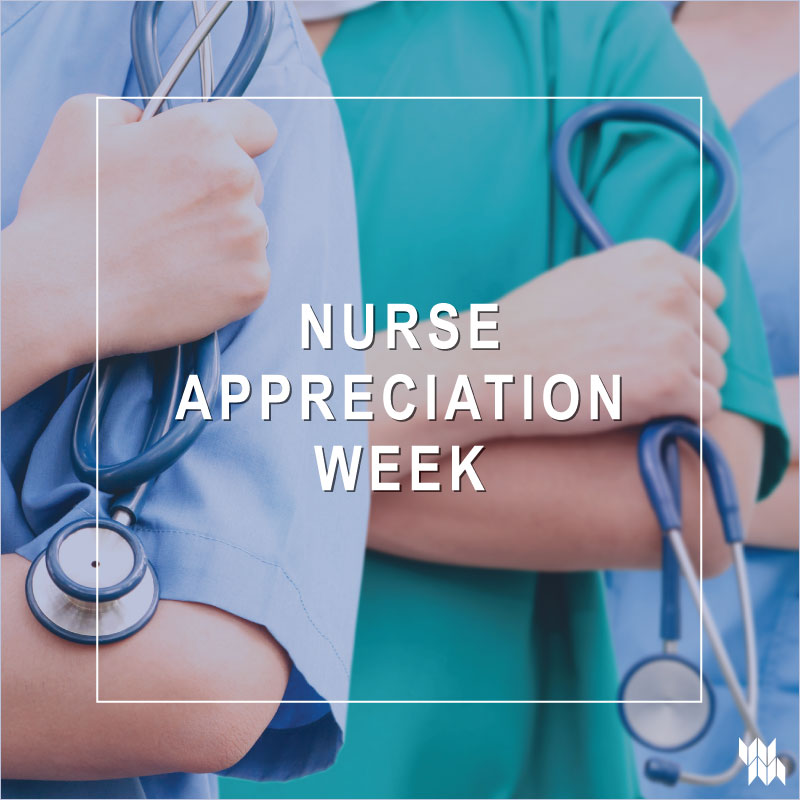
Nurse Appreciation Week

They’re risk takers, they’re brave and are the unspoken heroes of this world health crisis. Serving as the front line, they need our support now more than ever. Today we recognize the nurses working endless hours to help heal those in need. Nurse appreciation week is the perfect time to show our heartfelt gratitude for these healthcare workers and thank them for their service. So from everyone here at Western Mutual, we say thank you to all those helping fight this pandemic, especially the nurses as we celebrate your efforts.

WM-Nurse_5.6.20WM-Quote-Button-2