Prepare for a Hail Event

Unfortunately hail is one of the most common and costly weather hazards in the US. While it is not possible to completely avoid and protect from hail damage, there are a few things that can be done to help stay safe and prevent further losses.

First, if you safely can, move your vehicle, and any major outdoor appliances or furniture (bbqs, lawn chairs, anything breakable but easily moved) under coverage or cover furniture with a thick blanket. It’s helpful to also be prepared for a potential power outage, and have your emergency kit stocked (see “Emergency Supplies” blog from July 7). As always, keeping shrubs and trees cut back so they are not hanging over your home, and making sure gutters are free from debris can help prevent further damage in hail, rainstorms, and fires.

During a storm, make sure your windows are securely closed as well as any blinds or drapes to help keep broken glass out of the home.

After the storm take note and photos of damage to covered property and your home. Contact us to open a claim and get immediate claims assistance.
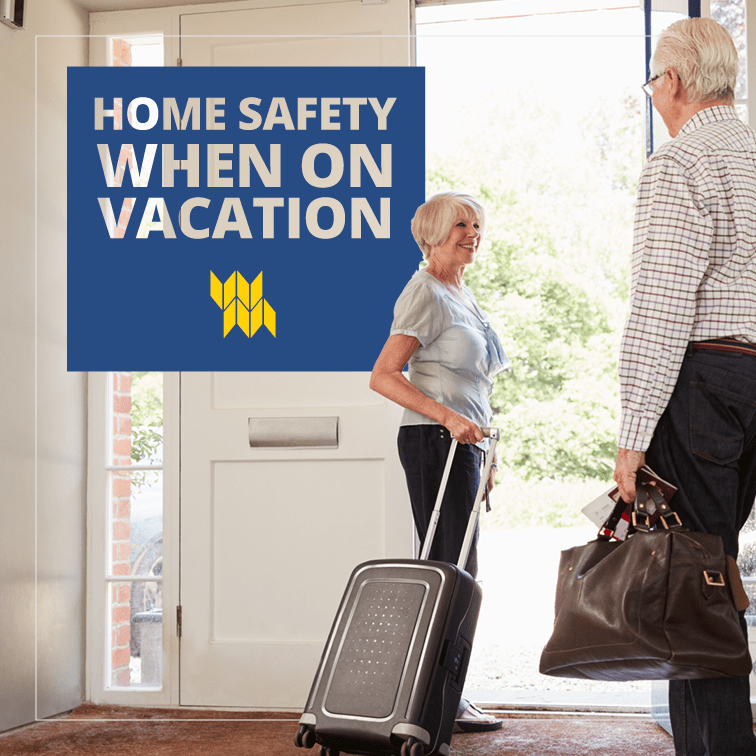
Help Keep Your Home Safe While You’re Away

Summer of 2022 is one of the busiest travel summers yet! With most of the world open to travel again, and everyone itching to get back on the road, there are many adventures at the ready! When going through your final checklist for your vacation – suitcase is packed, airport ride set, hotel reservations lined up – there are steps you can add to help keep your home safe while you’re away.

  1. Don’t forget to lock up! Seems easy enough but do one last check of all entryways (windows and doors) for any accidentally left unlocked. This should include pet doors and mail slots as they can be an access point for someone to unlock a door, and making sure your garage door is secure.
  2. Remove any spare keys you have hiding around the outside.
  3. Let a trusted neighbor know, so they can keep an eye on anything out of the ordinary and collect your mail for you so that you don’t have mail or packages build up, a sure sign someone is out of the home.
  4. Make it look like someone is at home! Leave a light on a timer, blinds as they would normally be, have a car parked in your driveway,
  5. Unplug any unused appliances in case of power surge, and make sure your smoke alarms are in working order before leaving.
  6. Try to avoid public social media updates that you are away, at least until you return.

Emergency Supplies Must Haves

How prepared are you for a natural disaster? We recommend you sort through your emergency supplies every 6 months or so to look for and replace any damaged or expired items, so you and your home are confidently prepared.

Here are a few necessary items for your Emergency Supplies.

  • General First aid kit – bandages, medical tape, alcohol swabs, burn gel, antihistamine gel, CPR pocket mask
  • Flashlight
  • Manual can opener
  • Whistle
  • Hand crank or battery powered radio (and extra batteries)
  • Dust masks
  • Rubber gloves
  • Garbage bags
  • Wrench or pliers (if needed to turn off utilities)
  • 1 weeks worth of any necessary medicines, should be looked at and replaced annually
  • Water (1 gallon per person for a week)
  • Canned goods
  • Pet supplies (food and any medicines needed)
  • Baby formula/ bottles/ supplies

We recommend you keep your emergency supplies in a cool, dry area of your home that is easily accessible for you in such an emergency.