Summer Home Safety Tips: Protecting Your Home During the Hottest Months

Summer Home Safety Tips: Protecting Your Home During the Hottest Months

Summer brings longer days, backyard barbecues, and vacation plans — but it also brings a unique set of risks to your home. From soaring temperatures to severe storms and increased outdoor activity, the season demands a few extra precautions. Here’s what every homeowner should keep in mind to stay safe and avoid costly surprises.

1. Beat the Heat Safely

High temperatures put stress on both people and homes.

  • Service your HVAC system. Have your air conditioning unit inspected and cleaned before peak summer heat hits. A well-maintained system is less likely to fail during a heat wave — and less likely to become a fire hazard.
  • Check for carbon monoxide and smoke detector batteries. Summer storms and power outages are a good reminder to test detectors twice a year.
  • Watch for signs of electrical overload. Window units, fans, and extra appliances can strain older wiring. Avoid overloading outlets with extension cords.

2. Grill Responsibly

Grilling fires spike every summer, especially around holidays like the Fourth of July.

  • Keep grills at least 10 feet away from your house, deck railings, and overhanging branches.
  • Never leave a lit grill unattended.
  • Keep a fire extinguisher or baking soda nearby for grease flare-ups — never use water on a grease fire.
  • Clean grease traps and burners regularly to prevent flare-ups.

3. Prepare for Severe Weather

Summer storms can bring high winds, hail, and lightning with little warning.

  • Trim trees and shrubs near your home to reduce the risk of falling limbs during storms.
  • Inspect your roof and gutters for loose shingles or debris that could worsen storm damage.
  • Unplug sensitive electronics during lightning storms, or use surge protectors.
  • Know your evacuation routes if you live in an area prone to flash flooding or wildfires.

4. Pool and Water Safety

If you have a pool, spa, or even a kiddie pool, safety barriers matter.

  • Install self-closing, self-latching gates around pool areas.
  • Never leave children unsupervised near water, even briefly.
  • Keep pool chemicals stored in a cool, dry, and secure location away from direct sunlight.

5. Guard Against Wildfires

In drought-prone regions, summer is peak wildfire season.

  • Clear dry leaves, brush, and debris from around your home’s foundation and roofline.
  • Store firewood and flammable materials away from the house.
  • Consider fire-resistant landscaping (sometimes called “defensible space”) if you live in a high-risk area.

6. Secure Your Home While Traveling

Summer vacations mean empty houses — and opportunity for break-ins.

  • Use smart plugs or timers to make it look like someone’s home.
  • Ask a neighbor to collect mail and packages, or pause deliveries.
  • Double-check that all windows and doors are locked, including garage entry points.
  • Consider a video doorbell or security camera for peace of mind while you’re away.

Final Thoughts

A little preparation goes a long way toward a safe, worry-free summer. Taking care of these simple maintenance and safety steps now can help you avoid emergencies — and expensive repairs — later in the season.

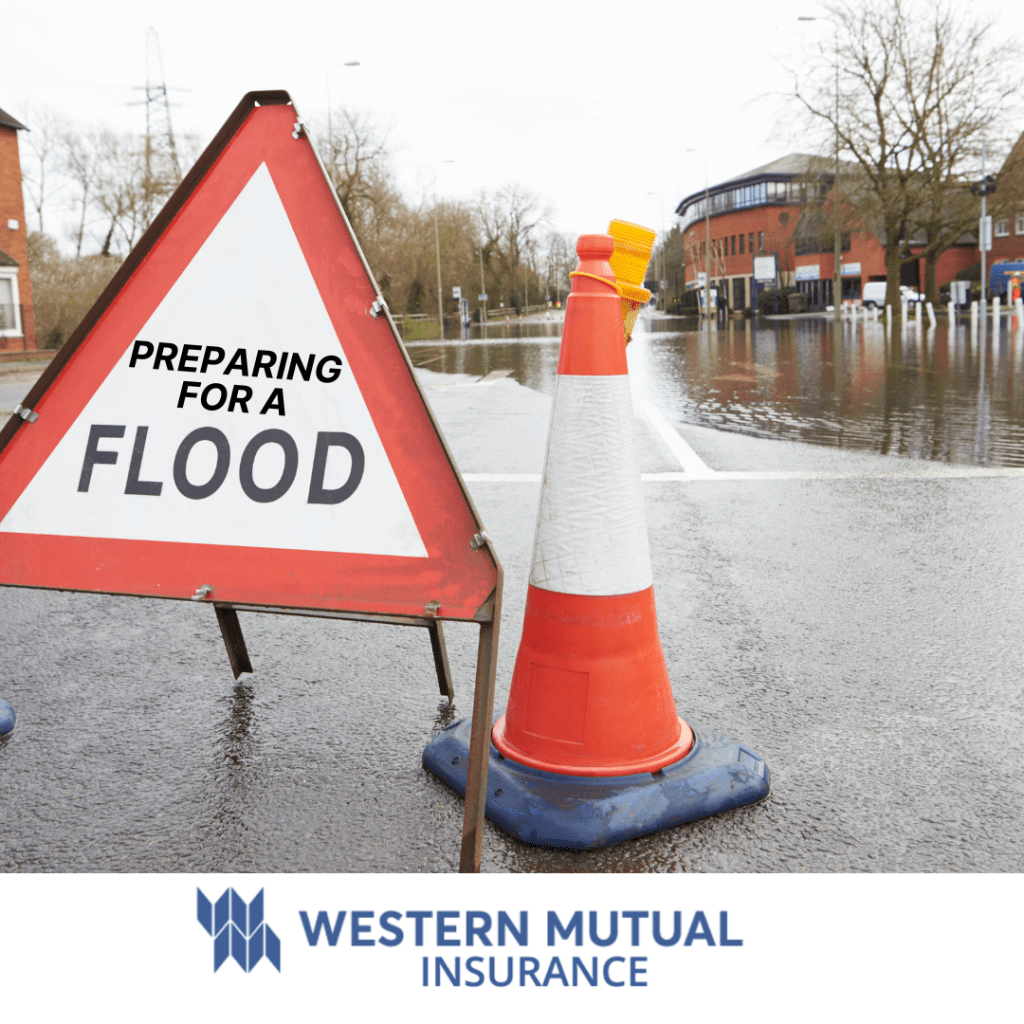
Preparing your home for a flood

Preparing your home for a flash flood is essential to protecting your property and ensuring your family’s safety when severe weather strikes without warning. By taking a few proactive steps—like securing entry points, safeguarding valuables, and having an emergency plan—you can significantly reduce damage and respond quickly if rising waters approach. Being ready before a storm can make all the difference. Here are some helpful tips:

1. Stay Informed

Monitor weather alerts: Use reliable sources like the National Weather Service (NWS) or apps that provide real-time flood warnings.

Know your risk: Check if you’re in a flood-prone area by consulting flood maps or your local government.

2. Create an Emergency Plan

Establish evacuation routes: Identify safe routes to higher ground and have more than one option.

Designate a meeting point: In case family members are separated, set a place where everyone can regroup.

Prepare for communication disruptions: Have a list of emergency contacts and consider using radios if cell service fails.

3. Assemble a Flood Emergency Kit

Essentials: Pack a 3-day supply of water (1 gallon per person per day) and non-perishable food.

First aid: Include bandages, antiseptics, prescription medications, and other necessary medical supplies.

Tools and supplies: Flashlights with extra batteries, a whistle, a multi-tool, local maps, and a battery-powered radio.

Personal hygiene items: Soap, hand sanitizer, baby wipes, and toilet paper.

Important documents: Keep copies of IDs, insurance papers, and property records in a waterproof bag.

Clothing and blankets: Pack warm clothes and waterproof outerwear.

4. Secure Your Home

Move valuables to higher ground: Relocate important items to upper floors or place them on shelves.

Install sandbags or flood barriers: Use them around doors, windows, and low entry points to reduce water intrusion.

Shut off utilities: If instructed, turn off gas, electricity, and water to prevent damage and hazards.

Clear gutters and drains: Remove debris to ensure proper drainage and reduce flooding near your home.

Install sump pumps: If you live in a flood-prone area, a sump pump can help remove water from your basement.

5. Evacuation and Shelter

Heed evacuation orders: Leave your home as soon as authorities advise, and don’t wait for water levels to rise.

Have transportation ready: Ensure your vehicle is fueled and parked in a safe area.

Locate shelters: Know where the nearest flood shelters are and take your emergency kit with you when leaving.

6. Post-Flood Actions

Return safely: Only go back to your home when authorities declare it safe.

Inspect for damage: Look for structural damage and hazards like downed power lines or gas leaks.

Document losses: Take photos of damaged items for insurance claims.

Disinfect and clean: Floodwaters can carry contaminants, so disinfect all surfaces and throw away anything that has been in contact with the water.

Taking these steps can help you minimize risks and ensure your safety during a flood.

Visit us online at WesternMutual.com

Share this:

Preparing for a Flood

1. Stay Informed

Monitor weather alerts: Use reliable sources like the National Weather Service (NWS) or apps that provide real-time flood warnings.

Know your risk: Check if you’re in a flood-prone area by consulting flood maps or your local government.

2. Create an Emergency Plan

Establish evacuation routes: Identify safe routes to higher ground and have more than one option.

Designate a meeting point: In case family members are separated, set a place where everyone can regroup.

Prepare for communication disruptions: Have a list of emergency contacts and consider using radios if cell service fails.

3. Assemble a Flood Emergency Kit

Essentials: Pack a 3-day supply of water (1 gallon per person per day) and non-perishable food.

First aid: Include bandages, antiseptics, prescription medications, and other necessary medical supplies.

Tools and supplies: Flashlights with extra batteries, a whistle, a multi-tool, local maps, and a battery-powered radio.

Personal hygiene items: Soap, hand sanitizer, baby wipes, and toilet paper.

Important documents: Keep copies of IDs, insurance papers, and property records in a waterproof bag.

Clothing and blankets: Pack warm clothes and waterproof outerwear.

4. Secure Your Home

Move valuables to higher ground: Relocate important items to upper floors or place them on shelves.

Install sandbags or flood barriers: Use them around doors, windows, and low entry points to reduce water intrusion.

Shut off utilities: If instructed, turn off gas, electricity, and water to prevent damage and hazards.

Clear gutters and drains: Remove debris to ensure proper drainage and reduce flooding near your home.

Install sump pumps: If you live in a flood-prone area, a sump pump can help remove water from your basement.

5. Evacuation and Shelter

Heed evacuation orders: Leave your home as soon as authorities advise, and don’t wait for water levels to rise.

Have transportation ready: Ensure your vehicle is fueled and parked in a safe area.

Locate shelters: Know where the nearest flood shelters are and take your emergency kit with you when leaving.

6. Post-Flood Actions

Return safely: Only go back to your home when authorities declare it safe.

Inspect for damage: Look for structural damage and hazards like downed power lines or gas leaks.

Document losses: Take photos of damaged items for insurance claims.

Disinfect and clean: Floodwaters can carry contaminants, so disinfect all surfaces and throw away anything that has been in contact with the water.

Taking these steps can help you minimize risks and ensure your safety during a flood.

Visit us online at WesternMutual.com