Home Safety Tips for the Fall Season

As the fall season approaches, it’s important to take steps to ensure your home is safe and prepared for the cooler weather. Here are some home safety tips for the fall:

1. Heating System Maintenance

  • Check Your Furnace: Have your heating system inspected and serviced by a professional. Replace filters regularly to ensure efficient operation.
  • Inspect Chimneys and Fireplaces: Clean and inspect chimneys to prevent blockages and creosote buildup, which can lead to fires. Make sure your fireplace is in good working order.
  • Space Heater Safety: If using space heaters, ensure they are in good condition, placed on a flat, stable surface, and kept away from flammable materials.

2. Fire Safety

  • Check Smoke and Carbon Monoxide Detectors: Replace batteries and test alarms to ensure they’re functioning properly. Consider installing a carbon monoxide detector if you don’t have one.
  • Fire Extinguisher: Ensure you have a working fire extinguisher that is easily accessible, especially near the kitchen and heating sources.

3. Outdoor Maintenance

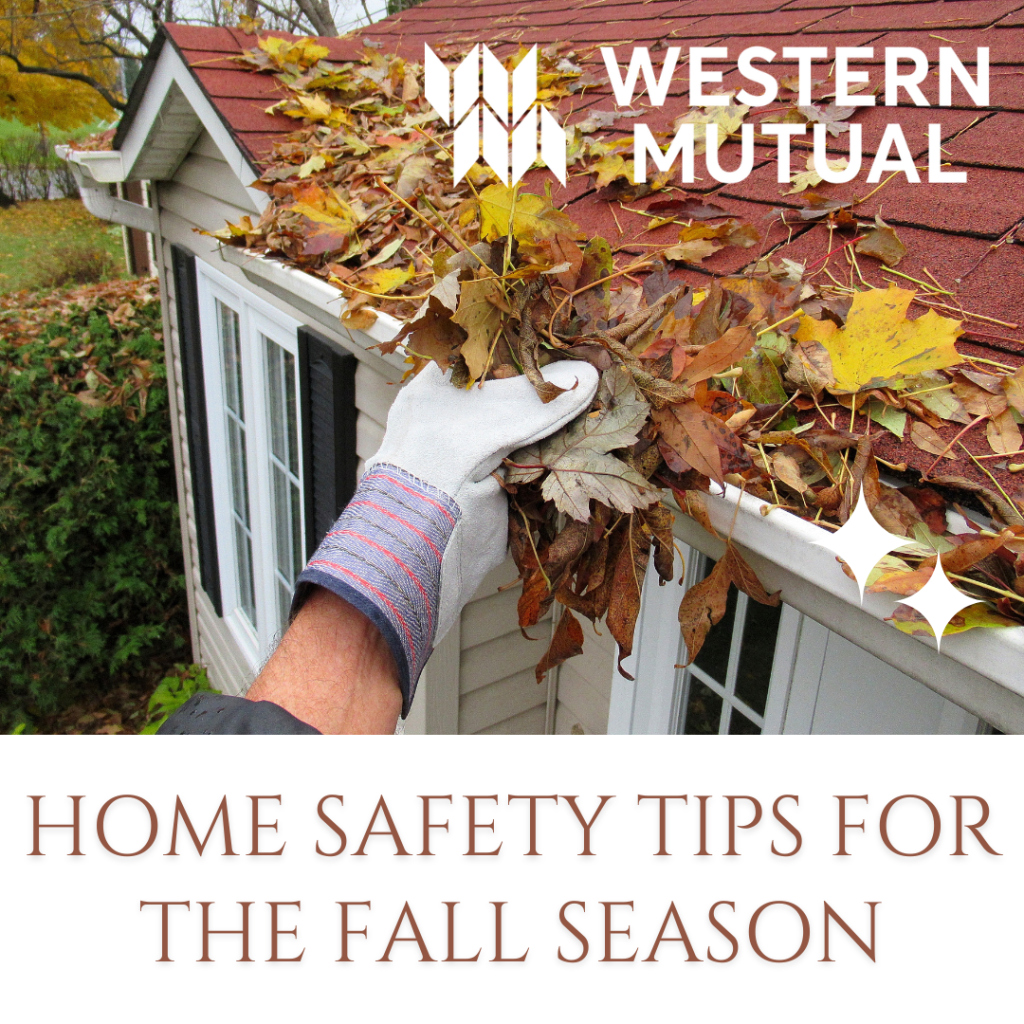
  • Clear Gutters and Downspouts: Remove leaves and debris to prevent blockages that can cause water damage.
  • Inspect the Roof: Check for loose or missing shingles and repair any damage to prevent leaks.
  • Yard Cleanup: Rake leaves and remove dead branches or trees that could become hazards in storms.

4. Lighting and Electrical Safety

  • Outdoor Lighting: As days get shorter, make sure outdoor lighting is working properly to prevent accidents. Consider installing motion-sensor lights for added security.
  • Inspect Electrical Outlets: Check for frayed cords and ensure outlets are not overloaded, especially when using space heaters and other seasonal appliances.

5. Windows and Doors

  • Seal Drafts: Check windows and doors for drafts and apply weatherstripping or caulking as needed to keep your home warm and energy efficient.
  • Window Locks: Ensure all windows and doors have secure locks, as burglaries can increase during darker months.

6. General Preparedness

  • Emergency Kit: Prepare or update your emergency kit with essentials like flashlights, batteries, blankets, and non-perishable food items.
  • Firewood Storage: Store firewood away from your home to reduce the risk of pests and decrease fire hazards.
  • Check Tree Branches: Trim any overhanging branches that could fall on your home or power lines during a storm.

7. Home Security

  • Alarm System: If you have a security system, test it to make sure it’s functioning properly. Update your security codes if needed.
  • Vacation Preparation: If you plan to travel during the fall, consider using timers for lights and asking a neighbor to check on your home.

8. Radon Testing

  • Test for Radon: Fall is a good time to test for radon, a naturally occurring gas that can cause health issues. Radon levels can be higher in homes during cooler months.

By following these tips, you can help ensure that your home is safe and ready for the fall season.

Visit us online at WestenMutual.com
Essential Holiday Home Maintenance Tips to Keep Your Home Cozy and Safe 

The holidays are a time for family, friends, and festive gatherings. But with colder weather and more time spent indoors, it’s also a season that calls for a little extra home maintenance. From preparing for holiday guests to ensuring your home can withstand winter weather, these tips will help you keep your space cozy, safe, and stress-free all season long. 

1. Check Your Heating System 

Inspect your furnace: As temperatures drop, your furnace or heating system will be working overtime. Schedule an inspection if you haven’t already, to ensure it’s in good working order and avoid any last-minute repairs. 

Clean or replace air filters: Clean air filters improve efficiency, air quality, and help reduce dust, which can be especially important with extra guests around. 

Test thermostats: Ensure that your thermostat is working properly and consider programming it to stay energy efficient when you’re out of the house or asleep. 

2. Seal Windows and Doors 

Inspect for drafts: Cold air sneaking in through cracks around windows and doors can increase energy bills and make your home less comfortable. 

Weatherstrip and caulk: Seal gaps with weatherstripping or caulk around doors and windows to keep heat in and the cold out. Not only will this help with heating costs, but it’ll also keep your home cozy. 

Consider thermal curtains: Thermal curtains can add another layer of insulation to help retain heat in your home, especially during colder months. 

3. Clean the Gutters 

Clear out leaves and debris: Clogged gutters can lead to water buildup, which can freeze and damage your gutters, or lead to leaks and ice dams. 

Inspect for damage: After clearing out debris, check for any cracks or misalignments in your gutters. Taking care of minor issues now can prevent bigger problems later. 

4. Prepare Your Plumbing for Cold Weather 

Insulate exposed pipes: Pipes in unheated areas, such as basements, attics, and garages, are more likely to freeze. Add insulation or pipe sleeves to help keep them warm. 

Drain outdoor hoses and faucets: Disconnect hoses and drain outdoor faucets to prevent them from freezing and bursting. 

Know your shutoff valve: In the event of an emergency, knowing where your home’s water shutoff valve is can help you act quickly to prevent flooding. 

5. Test Smoke and Carbon Monoxide Detectors 

Replace batteries: Testing and replacing batteries in smoke and carbon monoxide detectors is an important safety step, especially if you’ll be lighting fireplaces or using additional heating. 

Install detectors on every floor: If you don’t already have a detector on every level of your home, consider installing them before guests arrive to ensure everyone’s safety. 

6. Get Your Fireplace Ready 

Clean out ashes: If you have a wood-burning fireplace, clear out old ashes to improve air quality and keep the space looking clean. 

Have your chimney inspected: Chimneys should be inspected at least once a year for creosote buildup and blockages. A clean, safe chimney ensures that you’ll be able to enjoy cozy fires all winter long. 

7. Enhance Outdoor Lighting 

Check outdoor bulbs: Shorter days mean that good lighting is essential for both safety and curb appeal. Replace any burnt-out bulbs in exterior lights. 

Add motion-sensor lights: If you’re expecting guests, especially in the evening, motion-sensor lights along walkways and entryways can help ensure everyone’s safety while adding a welcoming touch. 

Consider festive lighting: For a holiday touch, string lights can add charm but remember to use outdoor-rated lights and secure them to prevent weather damage. 

8. Organize Entryways and Coat Storage 

Create extra space: If you’re hosting guests, clear out entryways and add hooks, a coat rack, or even a small closet organizer for coats, bags, and winter gear. 

Add a durable doormat: Prevent mud, snow, and salt from tracking into your home by placing a heavy-duty doormat at each entry. 

Stock up on cleaning supplies: With more foot traffic, having a small mat cleaner or a handy broom by the door can help keep floors looking fresh. 

By following these holiday home maintenance tips, you’ll be setting the stage for a warm, inviting home that’s ready for both winter weather and holiday cheer. Taking these preventative steps can help keep your home running smoothly, leaving you free to focus on enjoying the season. 

Visit us online at WestenMutual.com

Home Safety tips for Fall

As the fall season approaches, it’s important to take steps to ensure your home is safe and prepared for the cooler weather. Here are some home safety tips for the fall:

1. Heating System Maintenance

  • Check Your Furnace: Have your heating system inspected and serviced by a professional. Replace filters regularly to ensure efficient operation.
  • Inspect Chimneys and Fireplaces: Clean and inspect chimneys to prevent blockages and creosote buildup, which can lead to fires. Make sure your fireplace is in good working order.
  • Space Heater Safety: If using space heaters, ensure they are in good condition, placed on a flat, stable surface, and kept away from flammable materials.

2. Fire Safety

  • Check Smoke and Carbon Monoxide Detectors: Replace batteries and test alarms to ensure they’re functioning properly. Consider installing a carbon monoxide detector if you don’t have one.
  • Fire Extinguisher: Ensure you have a working fire extinguisher that is easily accessible, especially near the kitchen and heating sources.

3. Outdoor Maintenance

  • Clear Gutters and Downspouts: Remove leaves and debris to prevent blockages that can cause water damage.
  • Inspect the Roof: Check for loose or missing shingles and repair any damage to prevent leaks.
  • Yard Cleanup: Rake leaves and remove dead branches or trees that could become hazards in storms.

4. Lighting and Electrical Safety

  • Outdoor Lighting: As days get shorter, make sure outdoor lighting is working properly to prevent accidents. Consider installing motion-sensor lights for added security.
  • Inspect Electrical Outlets: Check for frayed cords and ensure outlets are not overloaded, especially when using space heaters and other seasonal appliances.

5. Windows and Doors

  • Seal Drafts: Check windows and doors for drafts and apply weatherstripping or caulking as needed to keep your home warm and energy efficient.
  • Window Locks: Ensure all windows and doors have secure locks, as burglaries can increase during darker months.

6. General Preparedness

  • Emergency Kit: Prepare or update your emergency kit with essentials like flashlights, batteries, blankets, and non-perishable food items.
  • Firewood Storage: Store firewood away from your home to reduce the risk of pests and decrease fire hazards.
  • Check Tree Branches: Trim any overhanging branches that could fall on your home or power lines during a storm.

7. Home Security

  • Alarm System: If you have a security system, test it to make sure it’s functioning properly. Update your security codes if needed.
  • Vacation Preparation: If you plan to travel during the fall, consider using timers for lights and asking a neighbor to check on your home.

8. Radon Testing

  • Test for Radon: Fall is a good time to test for radon, a naturally occurring gas that can cause health issues. Radon levels can be higher in homes during cooler months.

By following these tips, you can help ensure that your home is safe and ready for the fall season.

Visit us online at WestenMutual.com