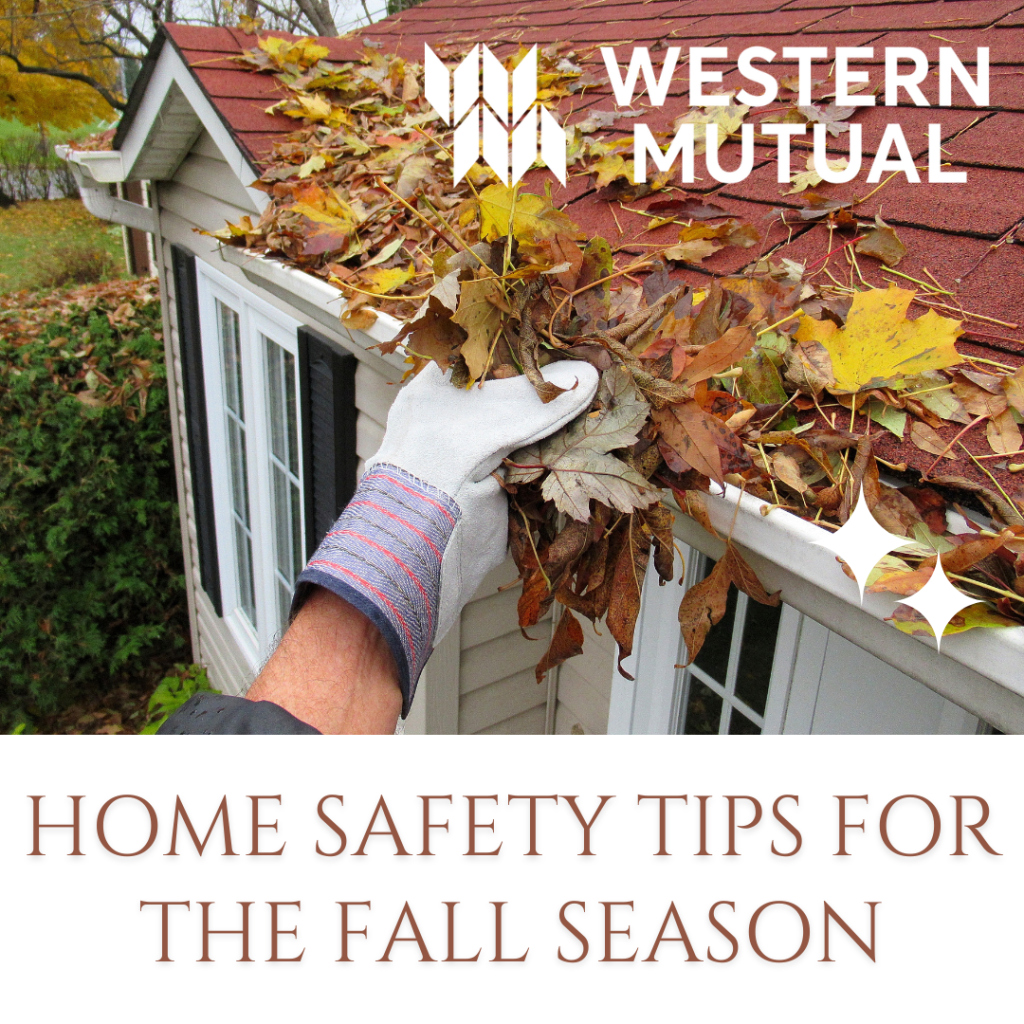
Home Safety Tips for the Fall Season

As the fall season approaches, it’s important to take steps to ensure your home is safe and prepared for the cooler weather. Here are some home safety tips for the fall:

1. Heating System Maintenance

  • Check Your Furnace: Have your heating system inspected and serviced by a professional. Replace filters regularly to ensure efficient operation.
  • Inspect Chimneys and Fireplaces: Clean and inspect chimneys to prevent blockages and creosote buildup, which can lead to fires. Make sure your fireplace is in good working order.
  • Space Heater Safety: If using space heaters, ensure they are in good condition, placed on a flat, stable surface, and kept away from flammable materials.

2. Fire Safety

  • Check Smoke and Carbon Monoxide Detectors: Replace batteries and test alarms to ensure they’re functioning properly. Consider installing a carbon monoxide detector if you don’t have one.
  • Fire Extinguisher: Ensure you have a working fire extinguisher that is easily accessible, especially near the kitchen and heating sources.

3. Outdoor Maintenance

  • Clear Gutters and Downspouts: Remove leaves and debris to prevent blockages that can cause water damage.
  • Inspect the Roof: Check for loose or missing shingles and repair any damage to prevent leaks.
  • Yard Cleanup: Rake leaves and remove dead branches or trees that could become hazards in storms.

4. Lighting and Electrical Safety

  • Outdoor Lighting: As days get shorter, make sure outdoor lighting is working properly to prevent accidents. Consider installing motion-sensor lights for added security.
  • Inspect Electrical Outlets: Check for frayed cords and ensure outlets are not overloaded, especially when using space heaters and other seasonal appliances.

5. Windows and Doors

  • Seal Drafts: Check windows and doors for drafts and apply weatherstripping or caulking as needed to keep your home warm and energy efficient.
  • Window Locks: Ensure all windows and doors have secure locks, as burglaries can increase during darker months.

6. General Preparedness

  • Emergency Kit: Prepare or update your emergency kit with essentials like flashlights, batteries, blankets, and non-perishable food items.
  • Firewood Storage: Store firewood away from your home to reduce the risk of pests and decrease fire hazards.
  • Check Tree Branches: Trim any overhanging branches that could fall on your home or power lines during a storm.

7. Home Security

  • Alarm System: If you have a security system, test it to make sure it’s functioning properly. Update your security codes if needed.
  • Vacation Preparation: If you plan to travel during the fall, consider using timers for lights and asking a neighbor to check on your home.

8. Radon Testing

  • Test for Radon: Fall is a good time to test for radon, a naturally occurring gas that can cause health issues. Radon levels can be higher in homes during cooler months.

By following these tips, you can help ensure that your home is safe and ready for the fall season.

Visit us online at WestenMutual.com

What does an adjuster do for your home insurance?

An adjuster plays a crucial role in the context of home insurance claims. When you experience damage to your home or property covered by your insurance policy, an adjuster is assigned by your insurance company to evaluate the extent of the damage and determine the amount of compensation you are entitled to receive. Here are the primary responsibilities of a home insurance adjuster:

Damage Assessment: The adjuster visits your property to assess the damage caused by an insured event such as a fire, storm, water leak, or vandalism. They examine the affected areas, document the extent of the damage, and take photographs or videos as evidence.

Investigation: The adjuster investigates the cause of the damage and determines whether it falls under the coverage outlined in your insurance policy. They review the policy terms, conditions, and exclusions to ascertain the applicability of the claim.

Documentation: The adjuster helps you with the paperwork required for your claim. They assist in completing claim forms, gathering necessary documents, and providing guidance on any additional information or evidence needed to support your claim.

Estimation of Loss: Based on their assessment of the damage, the adjuster prepares an estimate of the cost required for repairs or replacement. They consider factors such as labor, materials, and local market rates to determine the value of the loss.

Support and Guidance: Throughout the claims process, the adjuster serves as a source of information and guidance. They answer your questions, address concerns, and help you understand the terms and procedures involved in the insurance claim.

It’s important to note that there are different types of adjusters, including company-employed adjusters, independent adjusters, and public adjusters. Their roles and responsibilities vary based on their affiliation and the specific circumstances of your claim.

To get a quote or discuss how we can help you with choosing your home insurance provider, call us at (800) 234-2103 or get a free 30 second quote on westernmutual.com.

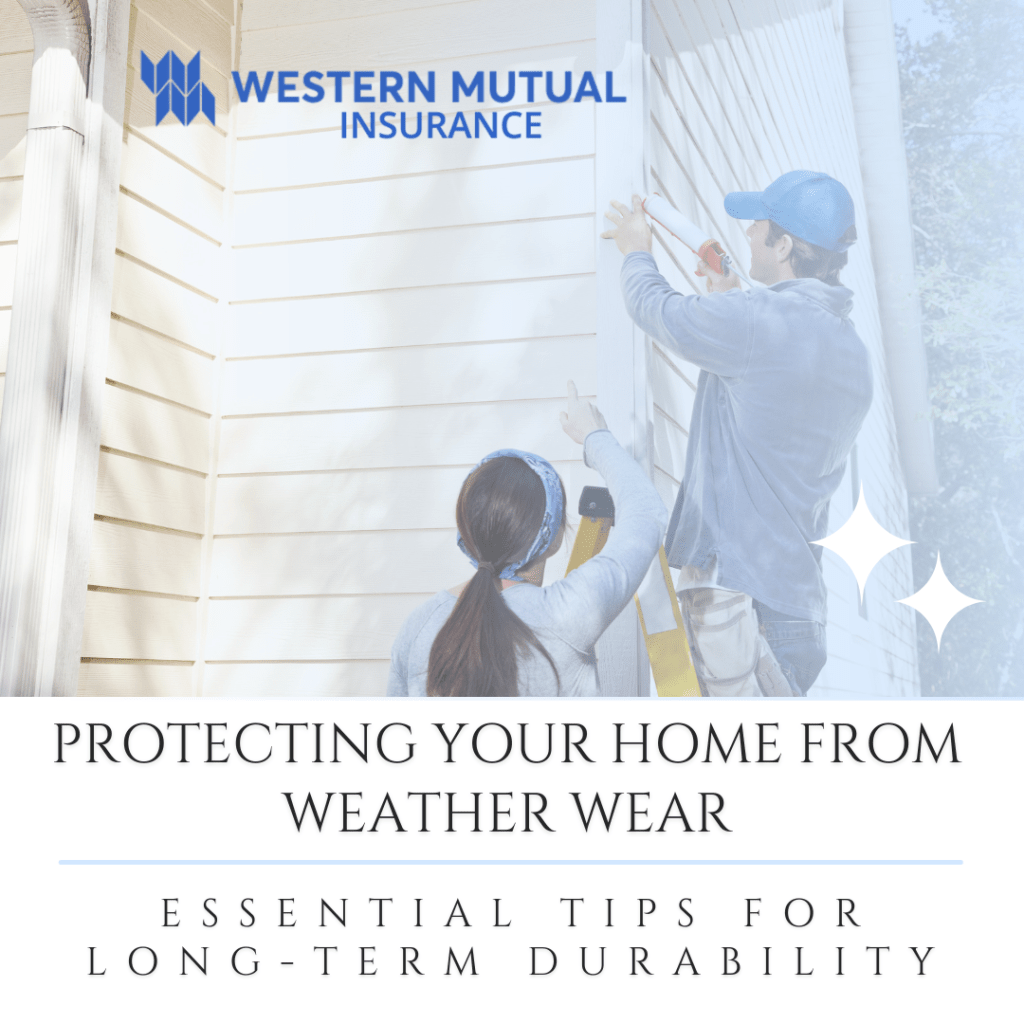
Protecting Your Home from Weather Wear: Essential Tips for Long-Term Durability 

Over time, wind, rain, snow, sun, and changes in temperature can take a serious toll on your property. Weather wear doesn’t just affect how your home looks—it can lead to costly repairs if left unchecked. The good news? With a bit of strategizing and upkeep, you can protect your home from nature’s harshest effects. Here’s how: 

1. Inspect and Maintain Your Roof Regularly 

Your roof is your home’s first defense against the elements. Check it at least twice a year (ideally in spring and fall) and after major storms. Look for missing or damaged shingles, cracked flashing, and signs of water damage inside your attic. Replace worn materials promptly to prevent leaks and structural damage. 

2. Seal Windows and Doors 

Gaps around windows and doors are prime spots for water intrusion and heat loss. Reseal them with weatherstripping or caulk as needed. Not only will this protect your home from moisture, but it also improves energy efficiency which can save you money on heating and cooling. 

3. Clean and Maintain Gutters and Downspouts 

Clogged gutters can lead to water backing up under your roof and seeping into your foundation. Clean them regularly, especially in fall when leaves accumulate. Make sure downspouts direct water at least 5 feet away from your home’s foundation to prevent erosion and basement leaks. 

4. Protect Siding and Exterior Paint 

Inspect your siding for cracks, warping, or signs of rot. Wood siding should be repainted or resealed every few years to maintain its weather resistance. Vinyl and fiber cement options require less maintenance but still benefit from occasional cleaning and inspection. 

5. Ensure Proper Drainage 

Poor drainage can cause serious damage over time. Grade the soil around your house so that it slopes away from the foundation. Consider installing French drains or extending downspouts if you’re noticing pooling water. 

6. Check and Insulate Attics and Crawl Spaces 

These areas are vulnerable to moisture and temperature extremes. Ensure the spaces are well-ventilated and insulated to prevent condensation, ice dams, and heat loss. Moisture barriers can also help keep things dry. 

7. Trim Trees and Secure Outdoor Items 

Branches that hang over your home can break in storms, damaging roofs or siding. Trim them back regularly. Also, secure outdoor furniture and décor—high winds can turn them into projectiles. 

8. Invest in Storm Protection 

If you live in an area prone to severe weather, consider storm shutters, reinforced garage doors, or even a whole-home generator. These investments can pay off when extreme conditions strike. 

Final Thoughts 

Regular maintenance and a few preventative measures can go a long way in protecting your home and preserving its value. Think of it as an investment—not just in your property, but in your peace of mind. 

Stay Cozy and Safe: Tips for Safely Warming Your Home This Winter

As the cold winds of winter sweep in, staying warm and cozy becomes a top priority. However, ensuring your home is heated safely is just as important as keeping it comfortable. Here’s a guide to help you heat your home effectively and avoid common hazards. 

1. Inspect Your Heating System 

Before temperatures drop, have your heating system professionally inspected and maintained. This includes: 

Furnaces and Boilers: Check for cracks, leaks, or blockages. Replace filters as needed. 

Chimneys: Clean and inspect for debris or creosote buildup that could lead to fires. 

Electric Heaters: Ensure all wiring is intact and that heaters have auto shut-off features. 

2. Choose Heaters Wisely 

Portable heaters are a popular choice for supplemental warmth, but they require careful use: 

Space Heaters: Keep them at least 3 feet away from flammable items like curtains or furniture. Always turn them off when leaving the room or going to sleep. 

3. Monitor for Carbon Monoxide 

Carbon monoxide is a silent killer. Protect your household by: 

Installing CO detectors near sleeping areas and on each level of your home. 

Testing detectors regularly and replacing batteries as needed. 

Never use outdoor appliances, such as grills or generators, indoors. 

4. Maintain Fire Safety 

Heating appliances are a leading cause of house fires during winter. Reduce the risk by: 

Keeping a fire extinguisher nearby and knowing how to use it. 

Avoiding overloading electrical outlets. 

Never use ovens or stoves as a heating source. 

5. Maximize Heat Efficiency 

Reduce heating costs and stay comfortable by improving your home’s insulation: 

Seal Drafts: Use weatherstripping or caulk to block drafts around doors and windows. 

Curtains: Open them during the day to let in sunlight and close them at night to trap heat. 

Rugs and Mats: Cover bare floors to prevent heat loss. 

6. Layer Up and Stay Active 

Sometimes, the simplest solutions are the best: 

Wear cozy layers and warm socks indoors. 

Use heated blankets or hot water bottles. 

Stay active with light exercise or household chores to generate body heat. 

7. Prepare for Emergencies 

Winter storms can knock out power, leaving you without heat. Be ready with: 

An emergency kit with blankets, flashlights, and non-perishable food. 

A backup heating source, such as a wood stove or battery-powered heater. 

A plan to stay with friends or family if extended power outages occur. 

In Summary 

Warming your home safely in winter is a balance of preparation, vigilance, and smart practices. By maintaining your heating systems, practicing fire safety, and staying alert to potential hazards like carbon monoxide, you can enjoy a snug and secure winter season. 

Stay warm and stay safe! 

Visit us online at WestenMutual.com

Essential Holiday Home Maintenance Tips to Keep Your Home Cozy and Safe 

The holidays are a time for family, friends, and festive gatherings. But with colder weather and more time spent indoors, it’s also a season that calls for a little extra home maintenance. From preparing for holiday guests to ensuring your home can withstand winter weather, these tips will help you keep your space cozy, safe, and stress-free all season long. 

1. Check Your Heating System 

Inspect your furnace: As temperatures drop, your furnace or heating system will be working overtime. Schedule an inspection if you haven’t already, to ensure it’s in good working order and avoid any last-minute repairs. 

Clean or replace air filters: Clean air filters improve efficiency, air quality, and help reduce dust, which can be especially important with extra guests around. 

Test thermostats: Ensure that your thermostat is working properly and consider programming it to stay energy efficient when you’re out of the house or asleep. 

2. Seal Windows and Doors 

Inspect for drafts: Cold air sneaking in through cracks around windows and doors can increase energy bills and make your home less comfortable. 

Weatherstrip and caulk: Seal gaps with weatherstripping or caulk around doors and windows to keep heat in and the cold out. Not only will this help with heating costs, but it’ll also keep your home cozy. 

Consider thermal curtains: Thermal curtains can add another layer of insulation to help retain heat in your home, especially during colder months. 

3. Clean the Gutters 

Clear out leaves and debris: Clogged gutters can lead to water buildup, which can freeze and damage your gutters, or lead to leaks and ice dams. 

Inspect for damage: After clearing out debris, check for any cracks or misalignments in your gutters. Taking care of minor issues now can prevent bigger problems later. 

4. Prepare Your Plumbing for Cold Weather 

Insulate exposed pipes: Pipes in unheated areas, such as basements, attics, and garages, are more likely to freeze. Add insulation or pipe sleeves to help keep them warm. 

Drain outdoor hoses and faucets: Disconnect hoses and drain outdoor faucets to prevent them from freezing and bursting. 

Know your shutoff valve: In the event of an emergency, knowing where your home’s water shutoff valve is can help you act quickly to prevent flooding. 

5. Test Smoke and Carbon Monoxide Detectors 

Replace batteries: Testing and replacing batteries in smoke and carbon monoxide detectors is an important safety step, especially if you’ll be lighting fireplaces or using additional heating. 

Install detectors on every floor: If you don’t already have a detector on every level of your home, consider installing them before guests arrive to ensure everyone’s safety. 

6. Get Your Fireplace Ready 

Clean out ashes: If you have a wood-burning fireplace, clear out old ashes to improve air quality and keep the space looking clean. 

Have your chimney inspected: Chimneys should be inspected at least once a year for creosote buildup and blockages. A clean, safe chimney ensures that you’ll be able to enjoy cozy fires all winter long. 

7. Enhance Outdoor Lighting 

Check outdoor bulbs: Shorter days mean that good lighting is essential for both safety and curb appeal. Replace any burnt-out bulbs in exterior lights. 

Add motion-sensor lights: If you’re expecting guests, especially in the evening, motion-sensor lights along walkways and entryways can help ensure everyone’s safety while adding a welcoming touch. 

Consider festive lighting: For a holiday touch, string lights can add charm but remember to use outdoor-rated lights and secure them to prevent weather damage. 

8. Organize Entryways and Coat Storage 

Create extra space: If you’re hosting guests, clear out entryways and add hooks, a coat rack, or even a small closet organizer for coats, bags, and winter gear. 

Add a durable doormat: Prevent mud, snow, and salt from tracking into your home by placing a heavy-duty doormat at each entry. 

Stock up on cleaning supplies: With more foot traffic, having a small mat cleaner or a handy broom by the door can help keep floors looking fresh. 

By following these holiday home maintenance tips, you’ll be setting the stage for a warm, inviting home that’s ready for both winter weather and holiday cheer. Taking these preventative steps can help keep your home running smoothly, leaving you free to focus on enjoying the season. 

Visit us online at WestenMutual.com

Home Safety tips for Fall

As the fall season approaches, it’s important to take steps to ensure your home is safe and prepared for the cooler weather. Here are some home safety tips for the fall:

1. Heating System Maintenance

  • Check Your Furnace: Have your heating system inspected and serviced by a professional. Replace filters regularly to ensure efficient operation.
  • Inspect Chimneys and Fireplaces: Clean and inspect chimneys to prevent blockages and creosote buildup, which can lead to fires. Make sure your fireplace is in good working order.
  • Space Heater Safety: If using space heaters, ensure they are in good condition, placed on a flat, stable surface, and kept away from flammable materials.

2. Fire Safety

  • Check Smoke and Carbon Monoxide Detectors: Replace batteries and test alarms to ensure they’re functioning properly. Consider installing a carbon monoxide detector if you don’t have one.
  • Fire Extinguisher: Ensure you have a working fire extinguisher that is easily accessible, especially near the kitchen and heating sources.

3. Outdoor Maintenance

  • Clear Gutters and Downspouts: Remove leaves and debris to prevent blockages that can cause water damage.
  • Inspect the Roof: Check for loose or missing shingles and repair any damage to prevent leaks.
  • Yard Cleanup: Rake leaves and remove dead branches or trees that could become hazards in storms.

4. Lighting and Electrical Safety

  • Outdoor Lighting: As days get shorter, make sure outdoor lighting is working properly to prevent accidents. Consider installing motion-sensor lights for added security.
  • Inspect Electrical Outlets: Check for frayed cords and ensure outlets are not overloaded, especially when using space heaters and other seasonal appliances.

5. Windows and Doors

  • Seal Drafts: Check windows and doors for drafts and apply weatherstripping or caulking as needed to keep your home warm and energy efficient.
  • Window Locks: Ensure all windows and doors have secure locks, as burglaries can increase during darker months.

6. General Preparedness

  • Emergency Kit: Prepare or update your emergency kit with essentials like flashlights, batteries, blankets, and non-perishable food items.
  • Firewood Storage: Store firewood away from your home to reduce the risk of pests and decrease fire hazards.
  • Check Tree Branches: Trim any overhanging branches that could fall on your home or power lines during a storm.

7. Home Security

  • Alarm System: If you have a security system, test it to make sure it’s functioning properly. Update your security codes if needed.
  • Vacation Preparation: If you plan to travel during the fall, consider using timers for lights and asking a neighbor to check on your home.

8. Radon Testing

  • Test for Radon: Fall is a good time to test for radon, a naturally occurring gas that can cause health issues. Radon levels can be higher in homes during cooler months.

By following these tips, you can help ensure that your home is safe and ready for the fall season.

Visit us online at WestenMutual.com
Best practices for home hardening

Home hardening refers to making your home more resistant to natural disasters, especially wildfires, hurricanes, and earthquakes. Here are some best practices for each

Wildfire Resistance 

  1. Defensible Space: 

Zone 1 (0-5 feet from the house): Remove all combustible materials like dead plants, leaves, and pine needles. Use non-combustible materials like gravel or concrete. 

Zone 2 (5-30 feet): Keep grass mowed to 4 inches or less. Space trees at least 10 feet apart and prune branches up to 6-10 feet from the ground. 

Zone 3 (30-100 feet): Create breaks in vegetation to slow fire spread. Thin out dense underbrush and remove dead or dying vegetation. 

  1. Fire-Resistant Roofing: 

Use Class A fire-rated roofing materials such as slate or concrete tiles. 

Ensure all gaps are sealed to prevent embers from entering. 

  1. Windows and Vents: 

Install dual-pane, tempered glass windows that are less likely to shatter from heat. 

Cover vents with 1/8-inch metal mesh to prevent embers from entering. 

  1. Siding and Decking: 

Use fire-resistant materials like stucco, fiber cement, or metal for siding. 

If you have a deck, ensure it’s made of fire-resistant materials, and keep it free of flammable items. 

  1. Gutters and Eaves: 

Clean gutters regularly to remove leaves and debris. 

Use metal gutters and enclose eaves to prevent ember intrusion. 

  1. Fire Retardants: 

Apply long-term fire retardants to vegetation and structures, especially in high-risk areas. 

Hurricane Resistance 

  1. Roof Reinforcement: 

Ensure your roof is securely fastened with hurricane straps or clips. 

Use impact-resistant shingles or tiles and consider secondary water barriers to prevent leaks. 

  1. Windows and Doors: 

Install impact-resistant windows or storm shutters. 

Reinforce garage doors to withstand high winds, as they are vulnerable points. 

  1. Outdoor Items: 

Secure or store away outdoor furniture, grills, and other items that could become projectiles during a storm. 

  1. Flood Proofing: 

Elevate electrical systems, appliances, and HVAC units above potential flood levels. 

Use flood barriers or sandbags to protect low-lying areas of the home. 

  1. Backup Power: 

Install a generator to maintain power during outages, particularly for sump pumps, refrigerators, and essential medical equipment. 

Earthquake Resistance 

  1. Foundation Bolting: 

Bolt your home’s foundation to the frame to prevent it from sliding off during an earthquake. 

  1. Bracing Cripple Walls: 

Reinforce cripple walls (short walls between the foundation and the first floor) with plywood to prevent collapse. 

  1. Securing Heavy Items: 

Secure heavy furniture, appliances, and water heaters to walls to prevent tipping. 

Install safety latches on cabinets to prevent contents from spilling out. 

  1. Flexible Utility Connections: 

Install flexible connections on gas and water lines to reduce the risk of leaks and explosions. 

  1. Retrofitting Chimneys: 

Reinforce or replace unreinforced masonry chimneys to prevent them from collapsing. 

  1. Emergency Supplies: 

Keep an earthquake preparedness kit with water, food, first aid supplies, and other essentials. 

General Best Practices 

  1. Regular Maintenance: 

Regularly inspect and maintain your home, including cleaning gutters, repairing loose roofing, and checking for foundation cracks. 

  1. Emergency Plans: 

Develop and practice an emergency evacuation plan. 

Keep important documents in a fireproof and waterproof safe. 

  1. Insurance: 

Ensure you have adequate insurance coverage for natural disasters, including specific riders for things like earthquakes or floods, which may not be covered under standard policies. 

  1. Community Engagement: 

Participate in local fire-safe councils or community emergency response teams (CERT) to stay informed and prepared. Implementing these home hardening practices can significantly reduce the risk of damage and improve your safety during natural disasters. 

Visit us online at WestenMutual.com
Summer home safety basics

Ensuring your summer home is safe requires attention to several key areas. Here’s a comprehensive guide to summer home safety basics: 

1. Home Security 

Locks and Alarms: Ensure all doors and windows have secure locks. Install a reliable alarm system. 

Lighting: Use motion sensor lights and timers to make the home look occupied. 

Surveillance: Consider installing security cameras. Modern systems allow remote monitoring via smartphones. 

2. Fire Safety 

Smoke Alarms: Install smoke detectors in key areas, such as the kitchen, bedrooms, and hallways. Test them regularly and replace batteries as needed. 

Fire Extinguishers: Keep fire extinguishers in easily accessible locations, particularly in the kitchen and near grills or fireplaces. 

Escape Plan: Have a clear escape plan and ensure all family members are familiar with it. 

3. Electrical Safety 

Wiring: Check the electrical system for any faulty wiring or overloaded circuits. 

Appliances: Unplug appliances when not in use to prevent electrical fires. 

Surge Protectors: Use surge protectors to safeguard electronics against power surges. 

4. Water Safety 

Leaks and Flooding: Inspect the plumbing for leaks. Install water sensors in areas prone to leaks. 

Pool Safety: If you have a pool, ensure its fenced and has a secure, alarmed gate. Keep rescue equipment and first-aid kits nearby. 

5. Pest Control 

Sealing Entry Points: Seal cracks and openings to prevent pests from entering. 

Regular Inspections: Conduct regular inspections for signs of pests and address issues promptly. 

Safe Storage: Store food in sealed containers and dispose of garbage regularly. 

6. Natural Disaster Preparedness 

Storm Proofing: Reinforce windows and doors against strong winds and storms. 

Emergency Kit: Have an emergency kit with essentials like water, non-perishable food, flashlights, batteries, and a first-aid kit. 

Evacuation Plan: Be aware of local evacuation routes and have a plan in place. 

7. General Maintenance 

Roof and Gutters: Regularly check and maintain the roof and gutters to prevent leaks and water damage. 

HVAC System: Service the HVAC system to ensure it’s functioning properly and efficiently. 

Lawn and Garden: Keep the lawn and garden well-maintained to deter intruders and pests. 

Visit us online at WestenMutual.com
What should be included in your new home checklist?

Creating a checklist when moving into a new home can help ensure you address all necessary tasks and considerations. Here’s a comprehensive checklist you can use:

Essentials:

Change the locks on all exterior doors for security.

Test smoke detectors and carbon monoxide detectors, replace batteries if needed.

Locate and familiarize yourself with the main water shut-off valve, circuit breaker box, and gas shut-off valve.

Check for any leaks or plumbing issues.

Locate and test all light switches and outlets.

Utilities:

Transfer or set up utilities such as electricity, gas, water, sewer, trash, internet, and cable services.

Update your address with relevant service providers, banks, employers, and government agencies.

Safety and Security:

Set up safety measures for kids and pets – baby gates, lock cabinets, block outlets, etc.

Install a home security system if desired.

Consider installing motion-sensor lights around the exterior of the house.

Check window and door locks for security.

Install a security system.

Cleaning and Maintenance:

Clean the entire house thoroughly before moving in.

Schedule any necessary maintenance, such as HVAC servicing or pest control.

Check the condition of appliances and schedule repairs if needed.

Replace any non-functioning window or door screens.

Clean out gutters and downspouts.

Storage and Organization:

Plan storage solutions for each room, including closets, cabinets, and garage.

Purchase or install shelving, hooks, or storage containers as needed.

Interior Décor:

Plan the layout and design of each room.

Purchase furniture, rugs, curtains, and décor items.

Paint or touch up walls if desired.

Kitchen:

Deep clean appliances, cabinets, and countertops.

Check for any plumbing issues.

Stock up on essential kitchen items like utensils, cookware, and pantry staples.

Bathroom:

Deep clean fixtures, tubs, showers, and toilets.

Check for leaks or water damage.

Stock up on toiletries and bathroom essentials.

Landscaping and Outdoor Areas:

Plan landscaping and gardening projects.

Schedule lawn care services if needed.

Check for any outdoor maintenance tasks, such as gutter cleaning or roof inspections.

Documentation and Legalities:

Update your address and/ or use USPS mail forwarding.

Organize important documents such as home insurance policies, mortgage paperwork, and warranties.

Familiarize yourself with neighborhood regulations, HOA rules (if applicable), and local ordinances.

Set up or transfer utilities, as well as hone/ internet/ TV.

Neighbors and Community:

Introduce yourself to neighbors and get acquainted with the local community.

Research nearby amenities such as schools, parks, grocery stores, and healthcare facilities.

Emergency Preparedness:

Create an emergency evacuation plan and discuss it with your household members.

Assemble an emergency kit with essentials such as water, non-perishable food, first aid supplies, and flashlights.

By following this checklist, you can ensure a smooth transition into your new home while addressing all important tasks and considerations.

Visit us online at WestenMutual.com

Should I Shop for Home Insurance During Escrow?

Yes, it’s a good idea to start shopping for home insurance during the escrow process. Home insurance is a crucial component of protecting your investment, and having coverage in place is often a requirement from mortgage lenders.

Here are some reasons why you should consider shopping for home insurance during escrow:

Lender Requirement: Most mortgage lenders require proof of insurance before they finalize your loan. They want to ensure their investment is protected in case of unforeseen events like fire, theft, or natural disasters.

Closing Requirements: Home insurance is typically needed to close the deal. Sellers may also want assurance that the buyer has insurance coverage in place, especially if there’s a gap between closing and when the buyer moves in.

Coverage Options: Shopping for insurance early allows you to explore different coverage options and find the policy that best fits your needs and budget. This can take some time, and it’s better to have this sorted out before the closing date.

Avoid Last-Minute Stress: Securing insurance during escrow helps avoid any last-minute rush or stress. It ensures that everything is in order and ready for the closing process.

When shopping for home insurance, consider factors such as coverage limits, deductibles, liability coverage, and any additional coverage you may need for specific risks in your area. It’s advisable to get quotes from multiple insurers to compare prices and coverage options. Be prepared to provide information about the home, such as its size, age, construction materials, and any safety features.

Consult with your real estate agent and mortgage lender to understand their requirements and deadlines and ensure a smooth transition from escrow to homeownership.

Visit us online at WestenMutual.com