Preparing your home for a flood

Preparing your home for a flash flood is essential to protecting your property and ensuring your family’s safety when severe weather strikes without warning. By taking a few proactive steps—like securing entry points, safeguarding valuables, and having an emergency plan—you can significantly reduce damage and respond quickly if rising waters approach. Being ready before a storm can make all the difference. Here are some helpful tips:

1. Stay Informed

Monitor weather alerts: Use reliable sources like the National Weather Service (NWS) or apps that provide real-time flood warnings.

Know your risk: Check if you’re in a flood-prone area by consulting flood maps or your local government.

2. Create an Emergency Plan

Establish evacuation routes: Identify safe routes to higher ground and have more than one option.

Designate a meeting point: In case family members are separated, set a place where everyone can regroup.

Prepare for communication disruptions: Have a list of emergency contacts and consider using radios if cell service fails.

3. Assemble a Flood Emergency Kit

Essentials: Pack a 3-day supply of water (1 gallon per person per day) and non-perishable food.

First aid: Include bandages, antiseptics, prescription medications, and other necessary medical supplies.

Tools and supplies: Flashlights with extra batteries, a whistle, a multi-tool, local maps, and a battery-powered radio.

Personal hygiene items: Soap, hand sanitizer, baby wipes, and toilet paper.

Important documents: Keep copies of IDs, insurance papers, and property records in a waterproof bag.

Clothing and blankets: Pack warm clothes and waterproof outerwear.

4. Secure Your Home

Move valuables to higher ground: Relocate important items to upper floors or place them on shelves.

Install sandbags or flood barriers: Use them around doors, windows, and low entry points to reduce water intrusion.

Shut off utilities: If instructed, turn off gas, electricity, and water to prevent damage and hazards.

Clear gutters and drains: Remove debris to ensure proper drainage and reduce flooding near your home.

Install sump pumps: If you live in a flood-prone area, a sump pump can help remove water from your basement.

5. Evacuation and Shelter

Heed evacuation orders: Leave your home as soon as authorities advise, and don’t wait for water levels to rise.

Have transportation ready: Ensure your vehicle is fueled and parked in a safe area.

Locate shelters: Know where the nearest flood shelters are and take your emergency kit with you when leaving.

6. Post-Flood Actions

Return safely: Only go back to your home when authorities declare it safe.

Inspect for damage: Look for structural damage and hazards like downed power lines or gas leaks.

Document losses: Take photos of damaged items for insurance claims.

Disinfect and clean: Floodwaters can carry contaminants, so disinfect all surfaces and throw away anything that has been in contact with the water.

Taking these steps can help you minimize risks and ensure your safety during a flood.

Visit us online at WesternMutual.com

Share this:

What does an adjuster do for your home insurance?

An adjuster plays a crucial role in the context of home insurance claims. When you experience damage to your home or property covered by your insurance policy, an adjuster is assigned by your insurance company to evaluate the extent of the damage and determine the amount of compensation you are entitled to receive. Here are the primary responsibilities of a home insurance adjuster:

Damage Assessment: The adjuster visits your property to assess the damage caused by an insured event such as a fire, storm, water leak, or vandalism. They examine the affected areas, document the extent of the damage, and take photographs or videos as evidence.

Investigation: The adjuster investigates the cause of the damage and determines whether it falls under the coverage outlined in your insurance policy. They review the policy terms, conditions, and exclusions to ascertain the applicability of the claim.

Documentation: The adjuster helps you with the paperwork required for your claim. They assist in completing claim forms, gathering necessary documents, and providing guidance on any additional information or evidence needed to support your claim.

Estimation of Loss: Based on their assessment of the damage, the adjuster prepares an estimate of the cost required for repairs or replacement. They consider factors such as labor, materials, and local market rates to determine the value of the loss.

Support and Guidance: Throughout the claims process, the adjuster serves as a source of information and guidance. They answer your questions, address concerns, and help you understand the terms and procedures involved in the insurance claim.

It’s important to note that there are different types of adjusters, including company-employed adjusters, independent adjusters, and public adjusters. Their roles and responsibilities vary based on their affiliation and the specific circumstances of your claim.

To get a quote or discuss how we can help you with choosing your home insurance provider, call us at (800) 234-2103 or get a free 30 second quote on westernmutual.com.

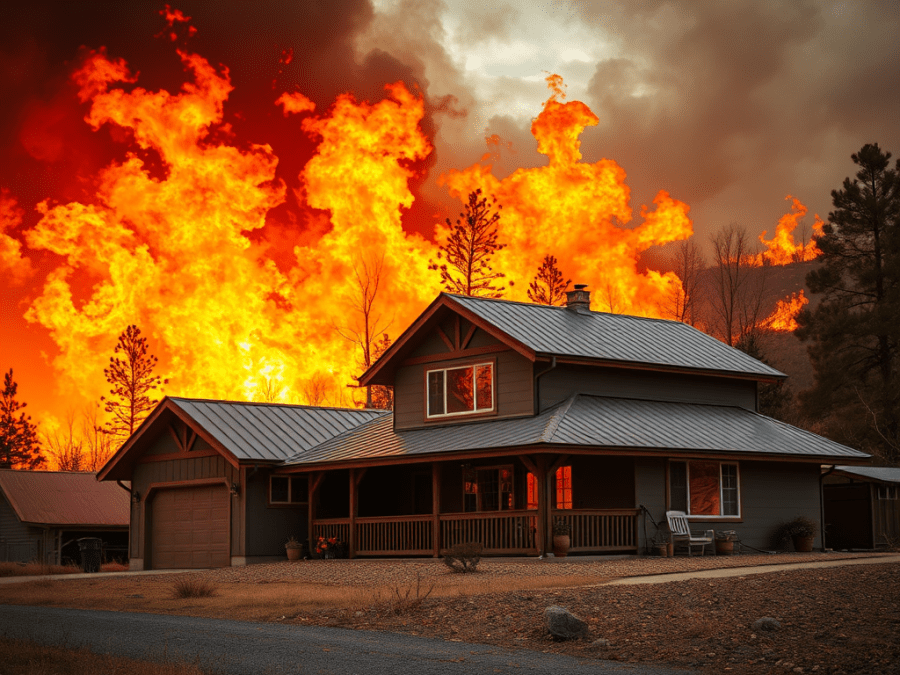
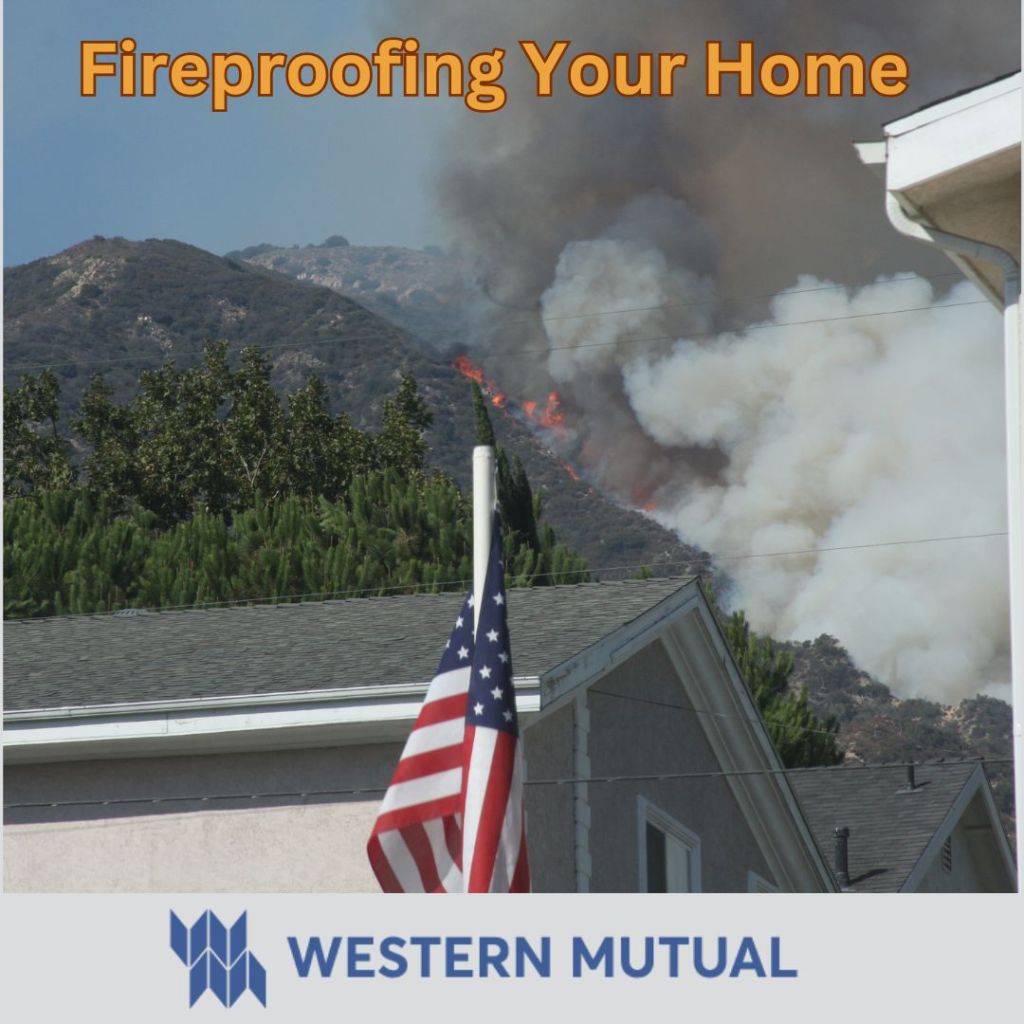
Fireproofing your home

Fireproofing your home involves proactive measures to reduce fire hazards, create a defensible space, and use fire-resistant materials. Below are strategies that can be used for fireproofing: 

1. Create Defensible Space (Landscaping) 

Zone 1: 0-5 Feet (Immediate Area) 

  • Use non-flammable materials like gravel or stones for landscaping. 
  • Avoid plants with resin, oils, or dry leaves near your home. 

Zone 2: 5-30 Feet (Intermediate Zone) 

  • Space trees and shrubs at least 10-15 feet apart. 
  • Trim branches that overhang your roof or are within 10 feet of chimneys. 

Zone 3: 30-100 Feet (Outer Zone) 

  • Clear dead vegetation regularly. 
  • Maintain grass at low heights, especially in dry seasons. 

2. Harden Your Home (Construction Materials) 

  • Roof: Opt for a Class A fire-resistant roof (e.g., metal, tile, or asphalt shingles). 
  • Windows: Install double-pane or tempered glass windows to resist heat. 
  • Vents: Use fine mesh screens (1/8-inch or finer) on attic, soffit, and foundation vents. 
  • Garage: Seal garage doors tightly and store combustible materials safely. 

3. Protect Decks and Outdoor Areas 

  • Use non-combustible decking materials (e.g., composite decking). 
  • Keep flammable furniture, rugs, or decorations away from exposed areas. 
  • Use metal or masonry for fences directly connected to your home. 

4. Prepare Your Home for Wildfire 

  • Clear gutters and roofs of debris like dry leaves and pine needles. 
  • Install spark arresters on chimneys. 
  • Maintain accessible water sources (sprinklers, fire hoses, or rain barrels). 

5. Emergency Preparedness 

  • Create an evacuation plan and prepare a go-bag with essentials. 
  • Sign up for local fire alerts. 
  • Install fire extinguishers, smoke detectors, and carbon monoxide alarms in your home. 
  • Have a home inventory in a safe place in case of loss, or video inside of home to help with inventory in case of loss. 

6. Use Fireproof Home Accessories 

  • Place fire-resistant insulation (e.g., mineral wool) in your walls. 
  • Store valuables in a UL-rated fireproof safe. 

Visit us online at WestenMutual.com

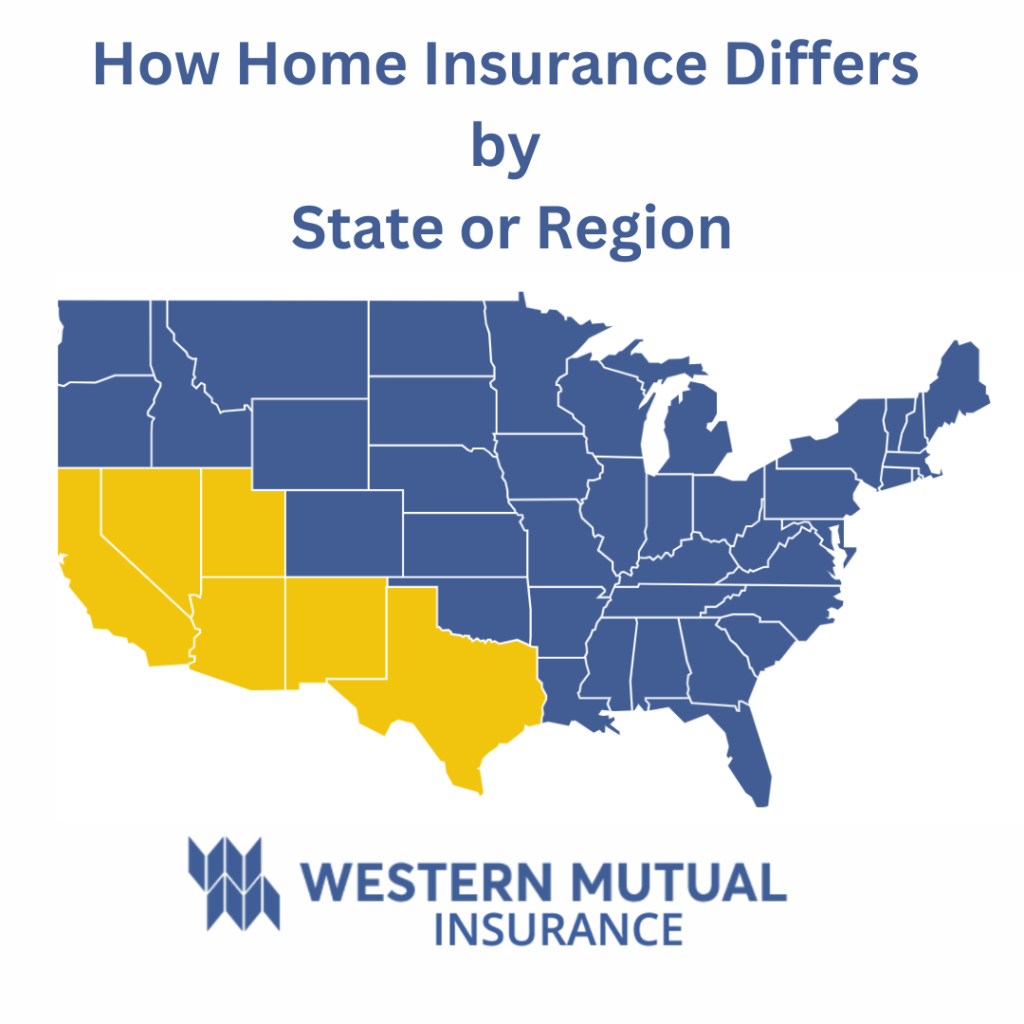
How Home Insurance Differs by State or Region

Home insurance varies significantly by state or region due to differences in geography, climate, local regulations, and risk factors. Here are the key factors that contribute to these variations: 

1. Geographic Risks 

Natural Disasters: States prone to specific disasters often have higher premiums or require additional coverage: 

Hurricanes and Flooding: Coastal states like Florida, Texas, and Louisiana often have higher rates due to hurricane risks. Policies may require separate windstorm or flood insurance. 

Earthquakes: States like California and Alaska may require earthquake insurance, which is typically not included in standard policies. 

Wildfires: High-risk areas like California, Oregon, and Colorado often see higher premiums or reduced availability due to wildfire exposure. 

Tornadoes: States in Tornado Alley, such as Oklahoma and Kansas, might have specific endorsements for wind and hail damage. 

2. State-Specific Regulations 

Coverage Requirements: Some states mandate specific types of coverage or insurance limits, affecting pricing and policy offerings. 

Insurance Regulation: States like New York may have stricter consumer protection laws, impacting how policies are priced, and claims are processed. 

State Insurance Pools: In high-risk areas, states may offer special programs, like Florida’s Citizens Property Insurance Corporation, for homeowners unable to find coverage on the private market. 

3. Cost of Construction and Materials 

Areas with higher labor costs or more expensive materials (e.g., urban areas like New York or California) may have higher premiums. 

Regional building codes can influence costs; for instance, hurricane-prone areas may require more robust construction. 

4. Crime Rates 

High-crime areas may face increased premiums due to higher risks of theft or vandalism. 

5. Market Competition 

States with a larger number of insurance providers tend to have more competitive rates. Conversely, areas with fewer providers may see higher costs due to limited options. 

Examples of Regional Differences: 

Region Key Factors Affecting Insurance 

Northeast: Snow damage, older homes, high rebuilding costs 

Southeast: Hurricanes, flooding, high humidity risks (mold) 

Midwest: Tornadoes, hail, flooding near rivers 

West Coast: Earthquakes, wildfires, high property values 

Mountain West: Wildfires, snow damage, lower population density 

Southwest: Drought, heat damage, flash flooding 

Understanding these differences can help homeowners select appropriate coverage and budget for insurance expenses effectively.  

Visit us online at WestenMutual.com.

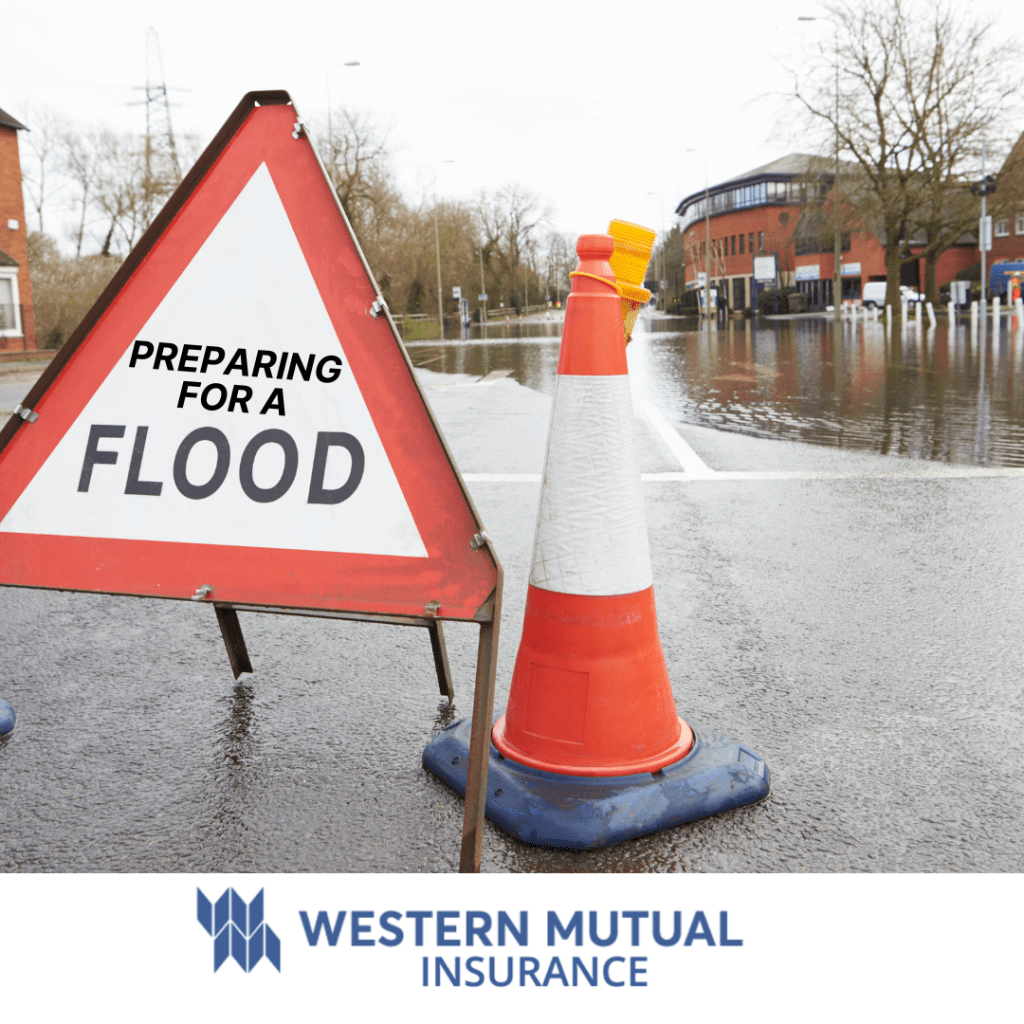
Preparing for a Flood

1. Stay Informed

Monitor weather alerts: Use reliable sources like the National Weather Service (NWS) or apps that provide real-time flood warnings.

Know your risk: Check if you’re in a flood-prone area by consulting flood maps or your local government.

2. Create an Emergency Plan

Establish evacuation routes: Identify safe routes to higher ground and have more than one option.

Designate a meeting point: In case family members are separated, set a place where everyone can regroup.

Prepare for communication disruptions: Have a list of emergency contacts and consider using radios if cell service fails.

3. Assemble a Flood Emergency Kit

Essentials: Pack a 3-day supply of water (1 gallon per person per day) and non-perishable food.

First aid: Include bandages, antiseptics, prescription medications, and other necessary medical supplies.

Tools and supplies: Flashlights with extra batteries, a whistle, a multi-tool, local maps, and a battery-powered radio.

Personal hygiene items: Soap, hand sanitizer, baby wipes, and toilet paper.

Important documents: Keep copies of IDs, insurance papers, and property records in a waterproof bag.

Clothing and blankets: Pack warm clothes and waterproof outerwear.

4. Secure Your Home

Move valuables to higher ground: Relocate important items to upper floors or place them on shelves.

Install sandbags or flood barriers: Use them around doors, windows, and low entry points to reduce water intrusion.

Shut off utilities: If instructed, turn off gas, electricity, and water to prevent damage and hazards.

Clear gutters and drains: Remove debris to ensure proper drainage and reduce flooding near your home.

Install sump pumps: If you live in a flood-prone area, a sump pump can help remove water from your basement.

5. Evacuation and Shelter

Heed evacuation orders: Leave your home as soon as authorities advise, and don’t wait for water levels to rise.

Have transportation ready: Ensure your vehicle is fueled and parked in a safe area.

Locate shelters: Know where the nearest flood shelters are and take your emergency kit with you when leaving.

6. Post-Flood Actions

Return safely: Only go back to your home when authorities declare it safe.

Inspect for damage: Look for structural damage and hazards like downed power lines or gas leaks.

Document losses: Take photos of damaged items for insurance claims.

Disinfect and clean: Floodwaters can carry contaminants, so disinfect all surfaces and throw away anything that has been in contact with the water.

Taking these steps can help you minimize risks and ensure your safety during a flood.

Visit us online at WesternMutual.com