Your home is likely the largest purchase you’ll ever make. Yet for many homeowners, maintenance is the last thing on the to-do list — pushed aside by busy schedules, tighter budgets, or the simple hope that nothing will go wrong. The truth is, neglecting your home doesn’t make problems disappear. It makes them expensive.
The good news? A little consistency goes a long way. Here’s why staying on top of home maintenance isn’t just smart housekeeping — it’s one of the wisest financial decisions you can make.
Small Problems Don’t Stay Small
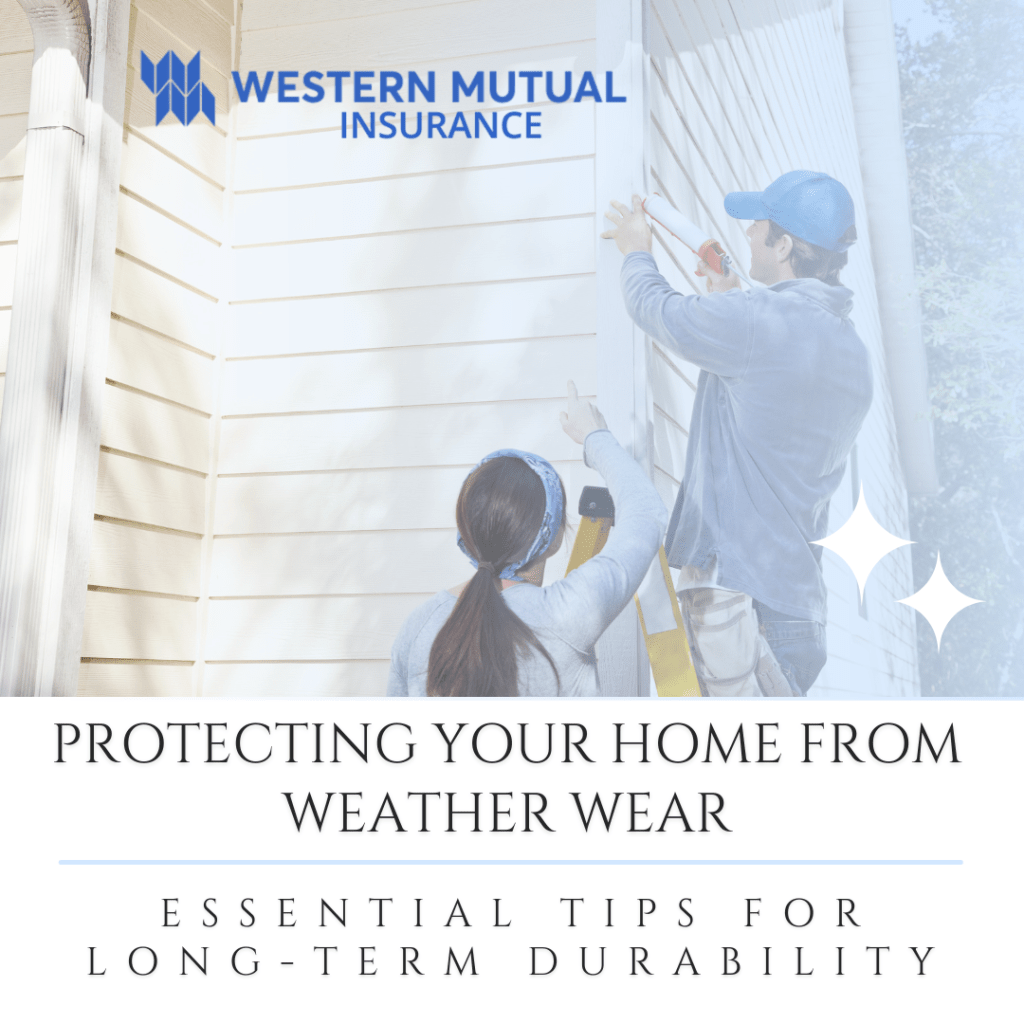
A cracked caulk line around a window seems harmless. A slow drip under the kitchen sink feels manageable. A missing shingle can wait until spring. But each of these “minor” issues has a way of quietly escalating into something far more serious.
Your Home’s Value Depends On It
Real estate agents have a saying: buyers can sense a neglected home the moment they walk in. Peeling paint, soft floors, musty smells, and stained ceilings all signal to buyers that deeper problems may lurk beneath the surface. Even if they don’t, the perception alone drives down offers.
Homes that are well-maintained command higher prices, sell faster, and attract more serious buyers. A consistent maintenance record — especially one documented with receipts and service logs — is a genuine selling point that gives buyers confidence and justifies your asking price.
If you’re not planning to sell, routine maintenance still preserves the equity you’ve built. A well-kept home appreciates steadily. A neglected one can lose value faster than the surrounding market gains it.
Safety Is Non-Negotiable
Beyond finances, maintenance is fundamentally about keeping your family safe. Many of the most serious home hazards are entirely preventable with routine upkeep:
Carbon monoxide is a colorless, odorless gas that kills quietly. Annual service of your furnace, water heater, and gas appliances — combined with working CO detectors — is your best defense.
House fires caused by dryer lint buildup, electrical panel issues, and chimney creosote account for thousands of injuries each year. Cleaning your dryer vent annually and having your electrical system and fireplace inspected regularly dramatically reduces this risk.
Slip-and-fall hazards from deteriorating stairs, loose handrails, and damaged walkways are among the leading causes of home injuries — and entirely avoidable with periodic inspections.
Water damage and mold from leaking roofs, failed caulking, or unchecked plumbing don’t just destroy structure — they can trigger serious respiratory health issues, particularly for children and the elderly.
Maintenance isn’t just about your house. It’s about the people living in it.
The Seasons Don’t Wait for You
Your home is under constant environmental stress. Summer heat expands and contracts materials. Winter ice works into gaps and freezes. Spring rain tests every seal and slope. Fall debris clogs gutters and drainage paths.
A seasonal maintenance rhythm — checking key systems and exterior components four times a year — ensures your home is prepared for what’s coming rather than recovering from what just happened. Think of it like rotating your car’s tires: you don’t wait until one goes flat.
Here’s a simple seasonal framework to get started:
Spring — Inspect roof and gutters after winter, service your AC before summer heat, check caulking and weatherstripping, test smoke and CO detectors.
Summer — Clean dryer vents, flush your water heater, inspect your deck and outdoor structures, trim trees and shrubs away from the house.
Fall — Service your heating system, clean the chimney if you have a fireplace, drain and winterize hoses and irrigation, check attic insulation.
Winter — Insulate exposed pipes, seal drafts around doors and windows, inspect your foundation for new cracks, keep gutters clear of ice dams.
Where to Start
If the idea of a comprehensive maintenance program feels overwhelming, start simple. Pick one area of your home each month and give it a focused inspection. Replace what’s worn. Reseal what’s cracked. Service what hasn’t been serviced. Write it down.
A well-maintained home doesn’t just protect your bank account. It keeps your family safe, preserves your largest asset, and gives you the peace of mind of knowing that what’s yours is cared for.
That’s worth every hour you put into it.
Western Mutual has been protecting homeowners for over 80 years. For questions about your coverage or to learn how a home insurance policy complements your maintenance plan, visit westernmutual.com.