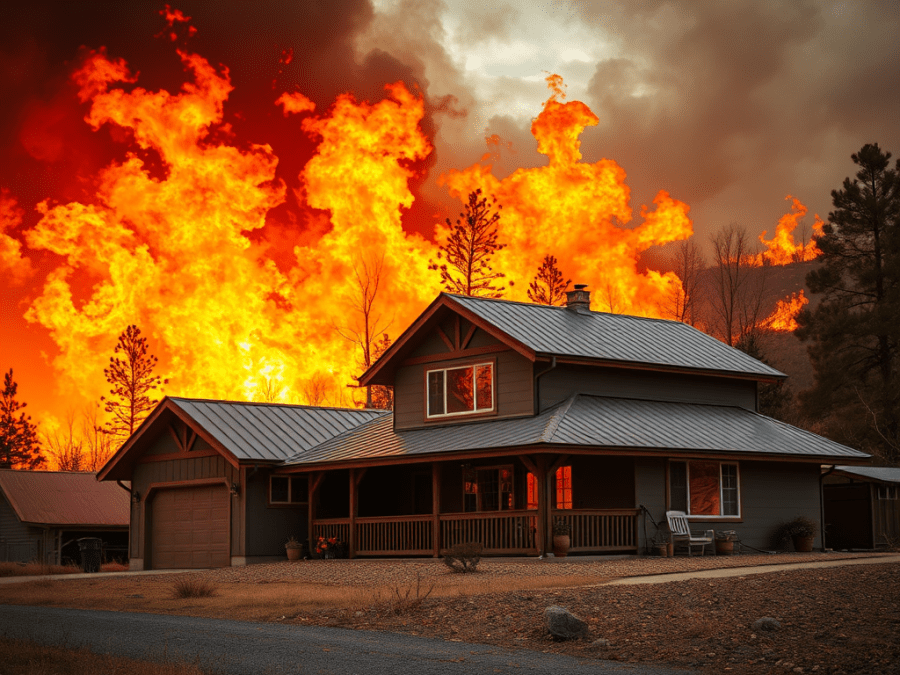

Fireproofing your home involves proactive measures to reduce fire hazards, create a defensible space, and use fire-resistant materials. Below are strategies that can be used for fireproofing:
1. Create Defensible Space (Landscaping)
Zone 1: 0-5 Feet (Immediate Area)
Use non-flammable materials like gravel or stones for landscaping.
Avoid plants with resin, oils, or dry leaves near your home.
Zone 2: 5-30 Feet (Intermediate Zone)
Space trees and shrubs at least 10-15 feet apart.
Trim branches that overhang your roof or are within 10 feet of chimneys.
Zone 3: 30-100 Feet (Outer Zone)
Clear dead vegetation regularly.
Maintain grass at low heights, especially in dry seasons.
2. Harden Your Home (Construction Materials)
Roof: Opt for a Class A fire-resistant roof (e.g., metal, tile, or asphalt shingles).
Windows: Install double-pane or tempered glass windows to resist heat.
Vents: Use fine mesh screens (1/8-inch or finer) on attic, soffit, and foundation vents.
Garage: Seal garage doors tightly and store combustible materials safely.
3. Protect Decks and Outdoor Areas
Use non-combustible decking materials (e.g., composite decking).
Keep flammable furniture, rugs, or decorations away from exposed areas.
Use metal or masonry for fences directly connected to your home.
4. Prepare Your Home for Wildfire
Clear gutters and roofs of debris like dry leaves and pine needles.
Install spark arresters on chimneys.
Maintain accessible water sources (sprinklers, fire hoses, or rain barrels).
5. Emergency Preparedness
Create an evacuation plan and prepare a go-bag with essentials.
Sign up for local fire alerts.
Install fire extinguishers, smoke detectors, and carbon monoxide alarms in your home.
Have a home inventory in a safe place in case of loss, or video inside of home to help with inventory in case of loss.
6. Use Fireproof Home Accessories
Place fire-resistant insulation (e.g., mineral wool) in your walls.
As the cold winds of winter sweep in, staying warm and cozy becomes a top priority. However, ensuring your home is heated safely is just as important as keeping it comfortable. Here’s a guide to help you heat your home effectively and avoid common hazards.
1. Inspect Your Heating System
Before temperatures drop, have your heating system professionally inspected and maintained. This includes:
Furnaces and Boilers: Check for cracks, leaks, or blockages. Replace filters as needed.
Chimneys: Clean and inspect for debris or creosote buildup that could lead to fires.
Electric Heaters: Ensure all wiring is intact and that heaters have auto shut-off features.
2. Choose Heaters Wisely
Portable heaters are a popular choice for supplemental warmth, but they require careful use:
Space Heaters: Keep them at least 3 feet away from flammable items like curtains or furniture. Always turn them off when leaving the room or going to sleep.
3. Monitor for Carbon Monoxide
Carbon monoxide is a silent killer. Protect your household by:
Installing CO detectors near sleeping areas and on each level of your home.
Testing detectors regularly and replacing batteries as needed.
Never use outdoor appliances, such as grills or generators, indoors.
4. Maintain Fire Safety
Heating appliances are a leading cause of house fires during winter. Reduce the risk by:
Keeping a fire extinguisher nearby and knowing how to use it.
Avoiding overloading electrical outlets.
Never use ovens or stoves as a heating source.
5. Maximize Heat Efficiency
Reduce heating costs and stay comfortable by improving your home’s insulation:
Seal Drafts: Use weatherstripping or caulk to block drafts around doors and windows.
Curtains: Open them during the day to let in sunlight and close them at night to trap heat.
Rugs and Mats: Cover bare floors to prevent heat loss.
6. Layer Up and Stay Active
Sometimes, the simplest solutions are the best:
Wear cozy layers and warm socks indoors.
Use heated blankets or hot water bottles.
Stay active with light exercise or household chores to generate body heat.
7. Prepare for Emergencies
Winter storms can knock out power, leaving you without heat. Be ready with:
An emergency kit with blankets, flashlights, and non-perishable food.
A backup heating source, such as a wood stove or battery-powered heater.
A plan to stay with friends or family if extended power outages occur.
In Summary
Warming your home safely in winter is a balance of preparation, vigilance, and smart practices. By maintaining your heating systems, practicing fire safety, and staying alert to potential hazards like carbon monoxide, you can enjoy a snug and secure winter season.
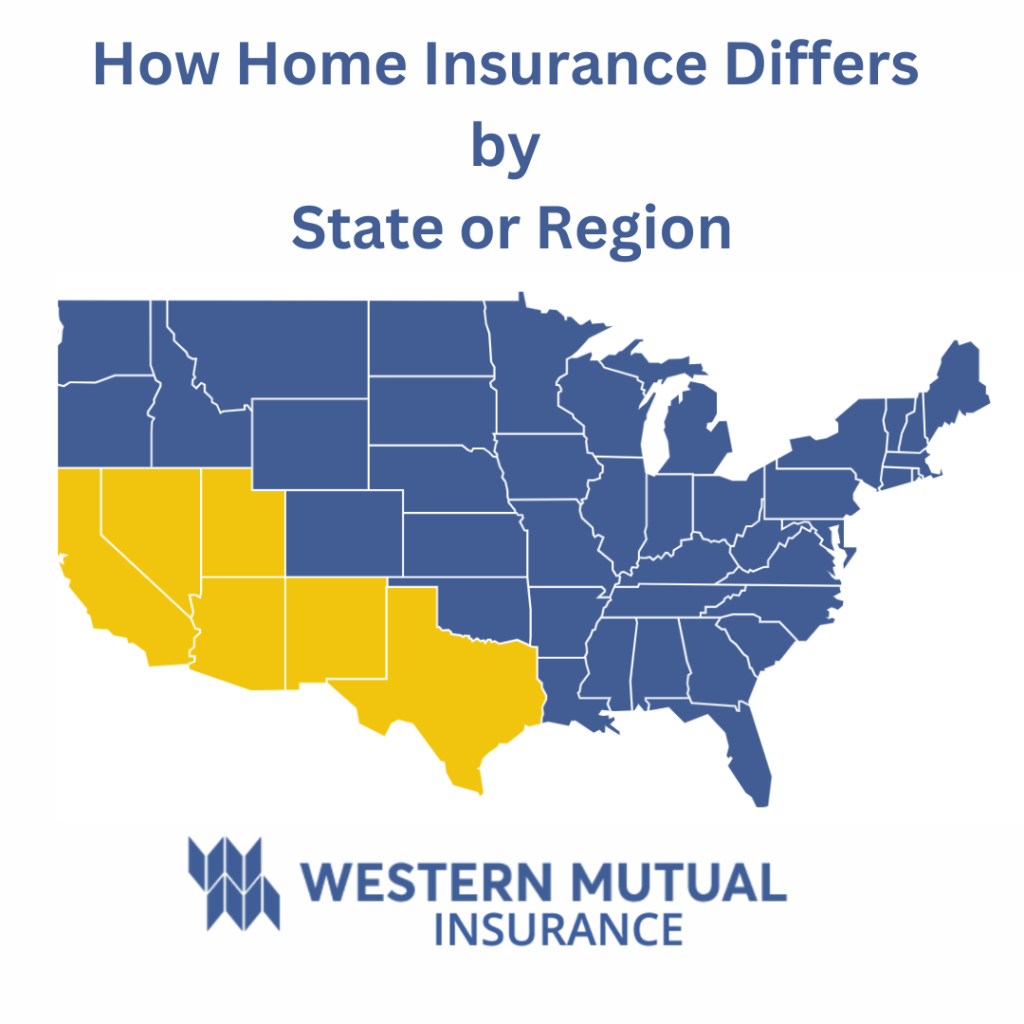
Home insurance varies significantly by state or region due to differences in geography, climate, local regulations, and risk factors. Here are the key factors that contribute to these variations:
1. Geographic Risks
Natural Disasters: States prone to specific disasters often have higher premiums or require additional coverage:
Hurricanes and Flooding: Coastal states like Florida, Texas, and Louisiana often have higher rates due to hurricane risks. Policies may require separate windstorm or flood insurance.
Earthquakes: States like California and Alaska may require earthquake insurance, which is typically not included in standard policies.
Wildfires: High-risk areas like California, Oregon, and Colorado often see higher premiums or reduced availability due to wildfire exposure.
Tornadoes: States in Tornado Alley, such as Oklahoma and Kansas, might have specific endorsements for wind and hail damage.
2. State-Specific Regulations
Coverage Requirements: Some states mandate specific types of coverage or insurance limits, affecting pricing and policy offerings.
Insurance Regulation: States like New York may have stricter consumer protection laws, impacting how policies are priced, and claims are processed.
State Insurance Pools: In high-risk areas, states may offer special programs, like Florida’s Citizens Property Insurance Corporation, for homeowners unable to find coverage on the private market.
3. Cost of Construction and Materials
Areas with higher labor costs or more expensive materials (e.g., urban areas like New York or California) may have higher premiums.
Regional building codes can influence costs; for instance, hurricane-prone areas may require more robust construction.
4. Crime Rates
High-crime areas may face increased premiums due to higher risks of theft or vandalism.
5. Market Competition
States with a larger number of insurance providers tend to have more competitive rates. Conversely, areas with fewer providers may see higher costs due to limited options.
Examples of Regional Differences:
Region Key Factors Affecting Insurance
Northeast: Snow damage, older homes, high rebuilding costs
Southeast: Hurricanes, flooding, high humidity risks (mold)
Midwest: Tornadoes, hail, flooding near rivers
West Coast: Earthquakes, wildfires, high property values
Mountain West: Wildfires, snow damage, lower population density
Southwest: Drought, heat damage, flash flooding
Understanding these differences can help homeowners select appropriate coverage and budget for insurance expenses effectively.
The holidays are a time for family, friends, and festive gatherings. But with colder weather and more time spent indoors, it’s also a season that calls for a little extra home maintenance. From preparing for holiday guests to ensuring your home can withstand winter weather, these tips will help you keep your space cozy, safe, and stress-free all season long.
1. Check Your Heating System
Inspect your furnace: As temperatures drop, your furnace or heating system will be working overtime. Schedule an inspection if you haven’t already, to ensure it’s in good working order and avoid any last-minute repairs.
Clean or replace air filters: Clean air filters improve efficiency, air quality, and help reduce dust, which can be especially important with extra guests around.
Test thermostats: Ensure that your thermostat is working properly and consider programming it to stay energy efficient when you’re out of the house or asleep.
2. Seal Windows and Doors
Inspect for drafts: Cold air sneaking in through cracks around windows and doors can increase energy bills and make your home less comfortable.
Weatherstrip and caulk: Seal gaps with weatherstripping or caulk around doors and windows to keep heat in and the cold out. Not only will this help with heating costs, but it’ll also keep your home cozy.
Consider thermal curtains: Thermal curtains can add another layer of insulation to help retain heat in your home, especially during colder months.
3. Clean the Gutters
Clear out leaves and debris: Clogged gutters can lead to water buildup, which can freeze and damage your gutters, or lead to leaks and ice dams.
Inspect for damage: After clearing out debris, check for any cracks or misalignments in your gutters. Taking care of minor issues now can prevent bigger problems later.
4. Prepare Your Plumbing for Cold Weather
Insulate exposed pipes: Pipes in unheated areas, such as basements, attics, and garages, are more likely to freeze. Add insulation or pipe sleeves to help keep them warm.
Drain outdoor hoses and faucets: Disconnect hoses and drain outdoor faucets to prevent them from freezing and bursting.
Know your shutoff valve: In the event of an emergency, knowing where your home’s water shutoff valve is can help you act quickly to prevent flooding.
5. Test Smoke and Carbon Monoxide Detectors
Replace batteries: Testing and replacing batteries in smoke and carbon monoxide detectors is an important safety step, especially if you’ll be lighting fireplaces or using additional heating.
Install detectors on every floor: If you don’t already have a detector on every level of your home, consider installing them before guests arrive to ensure everyone’s safety.
6. Get Your Fireplace Ready
Clean out ashes: If you have a wood-burning fireplace, clear out old ashes to improve air quality and keep the space looking clean.
Have your chimney inspected: Chimneys should be inspected at least once a year for creosote buildup and blockages. A clean, safe chimney ensures that you’ll be able to enjoy cozy fires all winter long.
7. Enhance Outdoor Lighting
Check outdoor bulbs: Shorter days mean that good lighting is essential for both safety and curb appeal. Replace any burnt-out bulbs in exterior lights.
Add motion-sensor lights: If you’re expecting guests, especially in the evening, motion-sensor lights along walkways and entryways can help ensure everyone’s safety while adding a welcoming touch.
Consider festive lighting: For a holiday touch, string lights can add charm but remember to use outdoor-rated lights and secure them to prevent weather damage.
8. Organize Entryways and Coat Storage
Create extra space: If you’re hosting guests, clear out entryways and add hooks, a coat rack, or even a small closet organizer for coats, bags, and winter gear.
Add a durable doormat: Prevent mud, snow, and salt from tracking into your home by placing a heavy-duty doormat at each entry.
Stock up on cleaning supplies: With more foot traffic, having a small mat cleaner or a handy broom by the door can help keep floors looking fresh.
By following these holiday home maintenance tips, you’ll be setting the stage for a warm, inviting home that’s ready for both winter weather and holiday cheer. Taking these preventative steps can help keep your home running smoothly, leaving you free to focus on enjoying the season.
As the fall season approaches, it’s important to take steps to ensure your home is safe and prepared for the cooler weather. Here are some home safety tips for the fall:
1. Heating System Maintenance
Check Your Furnace: Have your heating system inspected and serviced by a professional. Replace filters regularly to ensure efficient operation.
Inspect Chimneys and Fireplaces: Clean and inspect chimneys to prevent blockages and creosote buildup, which can lead to fires. Make sure your fireplace is in good working order.
Space Heater Safety: If using space heaters, ensure they are in good condition, placed on a flat, stable surface, and kept away from flammable materials.
2. Fire Safety
Check Smoke and Carbon Monoxide Detectors: Replace batteries and test alarms to ensure they’re functioning properly. Consider installing a carbon monoxide detector if you don’t have one.
Fire Extinguisher: Ensure you have a working fire extinguisher that is easily accessible, especially near the kitchen and heating sources.
3. Outdoor Maintenance
Clear Gutters and Downspouts: Remove leaves and debris to prevent blockages that can cause water damage.
Inspect the Roof: Check for loose or missing shingles and repair any damage to prevent leaks.
Yard Cleanup: Rake leaves and remove dead branches or trees that could become hazards in storms.
4. Lighting and Electrical Safety
Outdoor Lighting: As days get shorter, make sure outdoor lighting is working properly to prevent accidents. Consider installing motion-sensor lights for added security.
Inspect Electrical Outlets: Check for frayed cords and ensure outlets are not overloaded, especially when using space heaters and other seasonal appliances.
5. Windows and Doors
Seal Drafts: Check windows and doors for drafts and apply weatherstripping or caulking as needed to keep your home warm and energy efficient.
Window Locks: Ensure all windows and doors have secure locks, as burglaries can increase during darker months.
6. General Preparedness
Emergency Kit: Prepare or update your emergency kit with essentials like flashlights, batteries, blankets, and non-perishable food items.
Firewood Storage: Store firewood away from your home to reduce the risk of pests and decrease fire hazards.
Check Tree Branches: Trim any overhanging branches that could fall on your home or power lines during a storm.
7. Home Security
Alarm System: If you have a security system, test it to make sure it’s functioning properly. Update your security codes if needed.
Vacation Preparation: If you plan to travel during the fall, consider using timers for lights and asking a neighbor to check on your home.
8. Radon Testing
Test for Radon: Fall is a good time to test for radon, a naturally occurring gas that can cause health issues. Radon levels can be higher in homes during cooler months.
By following these tips, you can help ensure that your home is safe and ready for the fall season.
Home hardening refers to making your home more resistant to natural disasters, especially wildfires, hurricanes, and earthquakes. Here are some best practices for each
Wildfire Resistance
Defensible Space:
Zone 1 (0-5 feet from the house): Remove all combustible materials like dead plants, leaves, and pine needles. Use non-combustible materials like gravel or concrete.
Zone 2 (5-30 feet): Keep grass mowed to 4 inches or less. Space trees at least 10 feet apart and prune branches up to 6-10 feet from the ground.
Zone 3 (30-100 feet): Create breaks in vegetation to slow fire spread. Thin out dense underbrush and remove dead or dying vegetation.
Fire-Resistant Roofing:
Use Class A fire-rated roofing materials such as slate or concrete tiles.
Ensure all gaps are sealed to prevent embers from entering.
Windows and Vents:
Install dual-pane, tempered glass windows that are less likely to shatter from heat.
Cover vents with 1/8-inch metal mesh to prevent embers from entering.
Siding and Decking:
Use fire-resistant materials like stucco, fiber cement, or metal for siding.
If you have a deck, ensure it’s made of fire-resistant materials, and keep it free of flammable items.
Gutters and Eaves:
Clean gutters regularly to remove leaves and debris.
Use metal gutters and enclose eaves to prevent ember intrusion.
Fire Retardants:
Apply long-term fire retardants to vegetation and structures, especially in high-risk areas.
Hurricane Resistance
Roof Reinforcement:
Ensure your roof is securely fastened with hurricane straps or clips.
Use impact-resistant shingles or tiles and consider secondary water barriers to prevent leaks.
Windows and Doors:
Install impact-resistant windows or storm shutters.
Reinforce garage doors to withstand high winds, as they are vulnerable points.
Outdoor Items:
Secure or store away outdoor furniture, grills, and other items that could become projectiles during a storm.
Flood Proofing:
Elevate electrical systems, appliances, and HVAC units above potential flood levels.
Use flood barriers or sandbags to protect low-lying areas of the home.
Backup Power:
Install a generator to maintain power during outages, particularly for sump pumps, refrigerators, and essential medical equipment.
Earthquake Resistance
Foundation Bolting:
Bolt your home’s foundation to the frame to prevent it from sliding off during an earthquake.
Bracing Cripple Walls:
Reinforce cripple walls (short walls between the foundation and the first floor) with plywood to prevent collapse.
Securing Heavy Items:
Secure heavy furniture, appliances, and water heaters to walls to prevent tipping.
Install safety latches on cabinets to prevent contents from spilling out.
Flexible Utility Connections:
Install flexible connections on gas and water lines to reduce the risk of leaks and explosions.
Retrofitting Chimneys:
Reinforce or replace unreinforced masonry chimneys to prevent them from collapsing.
Emergency Supplies:
Keep an earthquake preparedness kit with water, food, first aid supplies, and other essentials.
General Best Practices
Regular Maintenance:
Regularly inspect and maintain your home, including cleaning gutters, repairing loose roofing, and checking for foundation cracks.
Emergency Plans:
Develop and practice an emergency evacuation plan.
Keep important documents in a fireproof and waterproof safe.
Insurance:
Ensure you have adequate insurance coverage for natural disasters, including specific riders for things like earthquakes or floods, which may not be covered under standard policies.
Community Engagement:
Participate in local fire-safe councils or community emergency response teams (CERT) to stay informed and prepared. Implementing these home hardening practices can significantly reduce the risk of damage and improve your safety during natural disasters.
Before going on that summer vacation, it’s important to ensure your house is secure and well-maintained to avoid any issues while you’re away. Here are some key things to take care of:
Security Measures:
Lock all doors and windows.
Set your alarm system, if you have one.
Inform a trusted neighbor or friend about your absence so they can keep an eye on your property.
Use timers for lights to make your home look occupied.
Utilities:
Turn off non-essential electronics and unplug them to save energy and reduce the risk of electrical fires.
Consider turning your main water line off to prevent leaks or pipe bursts.
Adjust your thermostat to a reasonable temperature to save on energy bills.
Mail and Deliveries:
Hold your mail or have someone collect it regularly to avoid it piling up.
Suspend newspaper deliveries.
Arrange for any scheduled deliveries to be postponed or redirected.
Pets:
Arrange for a pet sitter or boarding for your pets.
Ensure they have enough food, water, and any necessary medications.
Yard and Garden:
Mow the lawn and water your plants before you leave.
Arrange for someone to take care of your garden if you’ll be away for an extended period.
Cleanliness:
Dispose of perishable foods to avoid coming home to bad odors.
Empty all trash cans.
Run the dishwasher and ensure it’s empty before you leave.
Safety Checks:
Ensure smoke detectors and carbon monoxide detectors are functioning.
Secure any outdoor furniture or items that could be blown away or damaged by weather.
Financial and Legal Preparations:
Pay any bills that will come due while you’re away.
Leave emergency contact information with a trusted person.
Ensure your insurance policies are up to date.
Taking these steps will help ensure your home remains secure and in good condition while you’re enjoying your vacation.
Preparing for an earthquake in California is crucial due to the state’s high seismic activity. Here’s a comprehensive guide on how to prepare:
1. Create an Emergency Plan
Discuss with Family/Household Members: Ensure everyone knows what to do during an earthquake, including where to go and how to stay safe.
Establish Communication Plans: Determine how to communicate with each other if separated. Choose an out-of-state contact person for everyone to reach out to.
Know Safe Spots: Identify safe spots in each room, such as under sturdy furniture or against an interior wall away from windows.
2. Build an Emergency Kit
Water: At least one gallon per person per day for three days.
Food: Non-perishable items for at least three days.
First Aid Kit: Include bandages, antiseptic, medications, and any necessary medical supplies.
Tools and Supplies: Flashlights, batteries, a radio (preferably hand-crank or battery-powered), a whistle, dust masks, plastic sheeting, duct tape, and a wrench or pliers to turn off utilities.
Personal Items: Extra clothing, sturdy shoes, blankets, copies of important documents, cash, and any special needs items such as baby supplies or pet food.
3. Secure Your Home
Fasten Heavy Furniture: Anchor bookcases, cabinets, and other tall furniture to walls.
Secure Water Heaters: Strap water heaters to the wall to prevent tipping.
Install Latches: Place latches on kitchen cabinets to prevent contents from spilling out.
Inspect and Retrofit: If your home is older, consider hiring a professional to evaluate it for earthquake readiness and retrofit it if necessary.
4. Know How to Shut Off Utilities
Gas: Learn how to turn off the gas supply if you smell gas after an earthquake.
Water: Know where your main water valve is located and how to turn it off to prevent water damage from broken pipes.
Electricity: Be prepared to turn off your electrical panel if you suspect damage to your home’s wiring.
5. Practice Earthquake Drills
Drop, Cover, and Hold On: Regularly practice this technique. Drop to your hands and knees, cover your head and neck, and hold on to something sturdy.
Evacuation Routes: Identify safe exits from each room and your home. Practice how to get out quickly but safely.
6. Stay Informed
Know Your Area’s Risk: Familiarize yourself with local seismic history and fault lines.
Stay Updated: Keep a battery-powered or hand-crank radio in your emergency kit to receive news and instructions during and after an earthquake.
7. After an Earthquake
Check for Injuries: Tend to yourself and your family members first, and then check on neighbors.
Inspect for Damage: Look for structural damage in your home. If you suspect gas leaks, turn off the gas and leave the building.
Be Prepared for Aftershocks: These can occur minutes, days, or even weeks after the initial quake.
8. Community Involvement
Know Your Neighbors: Build relationships with neighbors to help each other during emergencies.
Get Involved in CERT: Consider joining a Community Emergency Response Team (CERT) to learn skills and contribute to community resilience.
9. Prepare Your Workplace and Car
Workplace: Know the emergency plan at your workplace and participate in drills.
Car: Keep an emergency kit in your car with essentials like water, food, a first-aid kit, and blankets.
Being prepared can significantly reduce the impact of an earthquake on you and your family.