Home Safety Tips for the Christmas Season

Ensuring the safety of your home during the holiday season is important. Here are some Christmas home safety tips to help you create a secure and enjoyable environment:

Christmas Tree Safety:

If you have a live tree, water it regularly to prevent it from drying out and becoming a fire hazard.

Keep the tree away from heat sources such as fireplaces, radiators, and heaters.

Lights and Decorations:

Use lights and decorations that are labeled as flame-resistant. Check lights for frayed wires, broken bulbs, and loose connections before putting them up. Avoid overloading electrical outlets and use extension cords wisely.

Candles:

Keep candles in stable holders, away from flammable materials and out of reach of children and pets.

Never leave candles unattended and extinguish them before going to bed or leaving the house.

Fireplace Safety:

Use a screen in front of the fireplace to prevent sparks from escaping. Keep flammable items, such as decorations and wrapping paper, away from the fireplace.

Cooking Safety:

Stay in the kitchen when cooking, especially if using the stove or oven. Keep flammable items away from the cooking area. Have a fire extinguisher in the kitchen and know how to use it.

Child and Pet Safety:

Place small decorations and ornaments out of reach of children and pets to prevent choking hazards.

Be cautious with holiday plants, as some can be toxic to pets if ingested.

Secure Decorations:

Anchor Christmas trees securely to prevent them from tipping over. Avoid placing decorations on unstable surfaces or near the edges of tables and countertops.

Emergency Preparedness:

Ensure your smoke detectors are working properly and replace batteries if needed. Have an emergency evacuation plan in case of a fire or other emergencies.

Gift Wrapping Safety:

Dispose of wrapping paper in a safe manner to avoid fire hazards. Keep scissors and small objects out of the reach of young children.

By following these Christmas home safety tips, you can create a festive and secure environment for your family and guests during the holiday season.

Visit us online at WestenMutual.com

Preparing your home for a flood

Preparing your home for a flash flood is essential to protecting your property and ensuring your family’s safety when severe weather strikes without warning. By taking a few proactive steps—like securing entry points, safeguarding valuables, and having an emergency plan—you can significantly reduce damage and respond quickly if rising waters approach. Being ready before a storm can make all the difference. Here are some helpful tips:

1. Stay Informed

Monitor weather alerts: Use reliable sources like the National Weather Service (NWS) or apps that provide real-time flood warnings.

Know your risk: Check if you’re in a flood-prone area by consulting flood maps or your local government.

2. Create an Emergency Plan

Establish evacuation routes: Identify safe routes to higher ground and have more than one option.

Designate a meeting point: In case family members are separated, set a place where everyone can regroup.

Prepare for communication disruptions: Have a list of emergency contacts and consider using radios if cell service fails.

3. Assemble a Flood Emergency Kit

Essentials: Pack a 3-day supply of water (1 gallon per person per day) and non-perishable food.

First aid: Include bandages, antiseptics, prescription medications, and other necessary medical supplies.

Tools and supplies: Flashlights with extra batteries, a whistle, a multi-tool, local maps, and a battery-powered radio.

Personal hygiene items: Soap, hand sanitizer, baby wipes, and toilet paper.

Important documents: Keep copies of IDs, insurance papers, and property records in a waterproof bag.

Clothing and blankets: Pack warm clothes and waterproof outerwear.

4. Secure Your Home

Move valuables to higher ground: Relocate important items to upper floors or place them on shelves.

Install sandbags or flood barriers: Use them around doors, windows, and low entry points to reduce water intrusion.

Shut off utilities: If instructed, turn off gas, electricity, and water to prevent damage and hazards.

Clear gutters and drains: Remove debris to ensure proper drainage and reduce flooding near your home.

Install sump pumps: If you live in a flood-prone area, a sump pump can help remove water from your basement.

5. Evacuation and Shelter

Heed evacuation orders: Leave your home as soon as authorities advise, and don’t wait for water levels to rise.

Have transportation ready: Ensure your vehicle is fueled and parked in a safe area.

Locate shelters: Know where the nearest flood shelters are and take your emergency kit with you when leaving.

6. Post-Flood Actions

Return safely: Only go back to your home when authorities declare it safe.

Inspect for damage: Look for structural damage and hazards like downed power lines or gas leaks.

Document losses: Take photos of damaged items for insurance claims.

Disinfect and clean: Floodwaters can carry contaminants, so disinfect all surfaces and throw away anything that has been in contact with the water.

Taking these steps can help you minimize risks and ensure your safety during a flood.

Visit us online at WesternMutual.com

Share this:

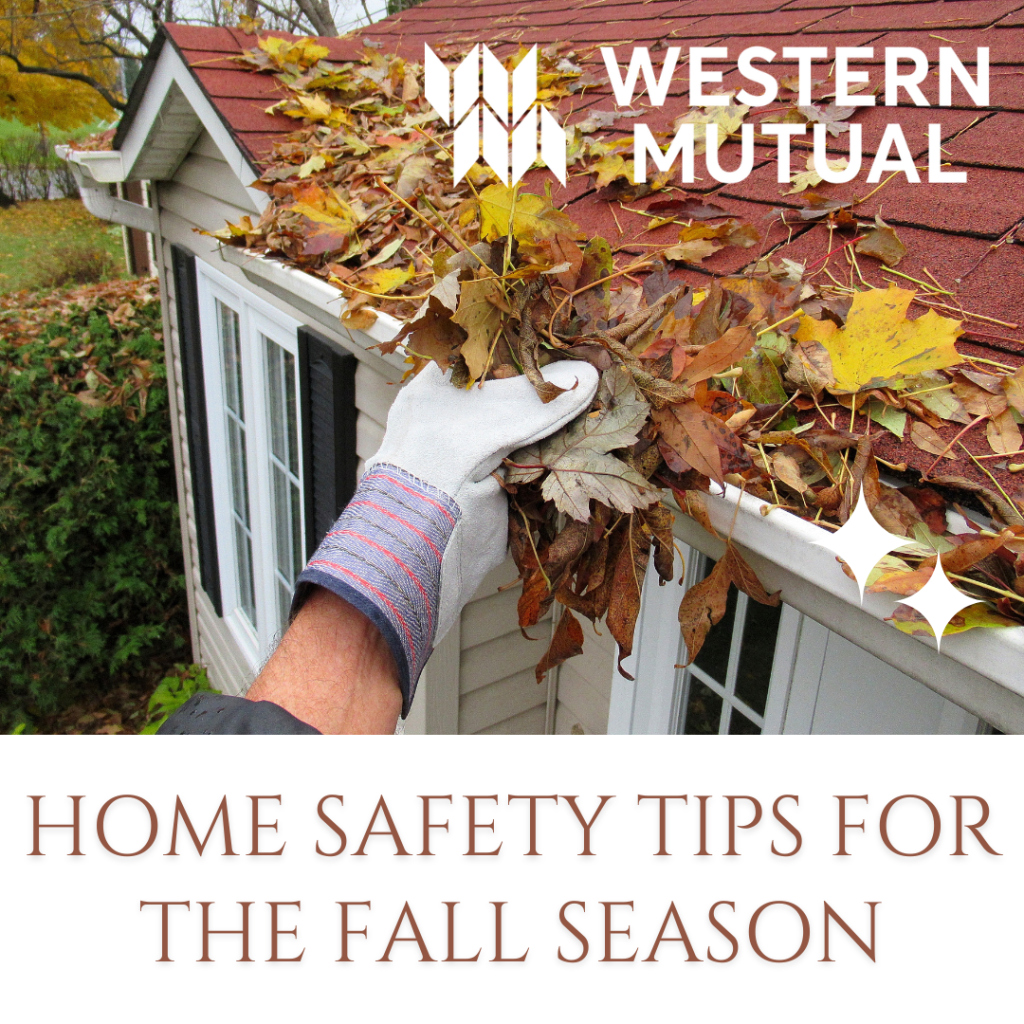
Home Safety Tips for the Fall Season

As the fall season approaches, it’s important to take steps to ensure your home is safe and prepared for the cooler weather. Here are some home safety tips for the fall:

1. Heating System Maintenance

  • Check Your Furnace: Have your heating system inspected and serviced by a professional. Replace filters regularly to ensure efficient operation.
  • Inspect Chimneys and Fireplaces: Clean and inspect chimneys to prevent blockages and creosote buildup, which can lead to fires. Make sure your fireplace is in good working order.
  • Space Heater Safety: If using space heaters, ensure they are in good condition, placed on a flat, stable surface, and kept away from flammable materials.

2. Fire Safety

  • Check Smoke and Carbon Monoxide Detectors: Replace batteries and test alarms to ensure they’re functioning properly. Consider installing a carbon monoxide detector if you don’t have one.
  • Fire Extinguisher: Ensure you have a working fire extinguisher that is easily accessible, especially near the kitchen and heating sources.

3. Outdoor Maintenance

  • Clear Gutters and Downspouts: Remove leaves and debris to prevent blockages that can cause water damage.
  • Inspect the Roof: Check for loose or missing shingles and repair any damage to prevent leaks.
  • Yard Cleanup: Rake leaves and remove dead branches or trees that could become hazards in storms.

4. Lighting and Electrical Safety

  • Outdoor Lighting: As days get shorter, make sure outdoor lighting is working properly to prevent accidents. Consider installing motion-sensor lights for added security.
  • Inspect Electrical Outlets: Check for frayed cords and ensure outlets are not overloaded, especially when using space heaters and other seasonal appliances.

5. Windows and Doors

  • Seal Drafts: Check windows and doors for drafts and apply weatherstripping or caulking as needed to keep your home warm and energy efficient.
  • Window Locks: Ensure all windows and doors have secure locks, as burglaries can increase during darker months.

6. General Preparedness

  • Emergency Kit: Prepare or update your emergency kit with essentials like flashlights, batteries, blankets, and non-perishable food items.
  • Firewood Storage: Store firewood away from your home to reduce the risk of pests and decrease fire hazards.
  • Check Tree Branches: Trim any overhanging branches that could fall on your home or power lines during a storm.

7. Home Security

  • Alarm System: If you have a security system, test it to make sure it’s functioning properly. Update your security codes if needed.
  • Vacation Preparation: If you plan to travel during the fall, consider using timers for lights and asking a neighbor to check on your home.

8. Radon Testing

  • Test for Radon: Fall is a good time to test for radon, a naturally occurring gas that can cause health issues. Radon levels can be higher in homes during cooler months.

By following these tips, you can help ensure that your home is safe and ready for the fall season.

Visit us online at WestenMutual.com

What does an adjuster do for your home insurance?

An adjuster plays a crucial role in the context of home insurance claims. When you experience damage to your home or property covered by your insurance policy, an adjuster is assigned by your insurance company to evaluate the extent of the damage and determine the amount of compensation you are entitled to receive. Here are the primary responsibilities of a home insurance adjuster:

Damage Assessment: The adjuster visits your property to assess the damage caused by an insured event such as a fire, storm, water leak, or vandalism. They examine the affected areas, document the extent of the damage, and take photographs or videos as evidence.

Investigation: The adjuster investigates the cause of the damage and determines whether it falls under the coverage outlined in your insurance policy. They review the policy terms, conditions, and exclusions to ascertain the applicability of the claim.

Documentation: The adjuster helps you with the paperwork required for your claim. They assist in completing claim forms, gathering necessary documents, and providing guidance on any additional information or evidence needed to support your claim.

Estimation of Loss: Based on their assessment of the damage, the adjuster prepares an estimate of the cost required for repairs or replacement. They consider factors such as labor, materials, and local market rates to determine the value of the loss.

Support and Guidance: Throughout the claims process, the adjuster serves as a source of information and guidance. They answer your questions, address concerns, and help you understand the terms and procedures involved in the insurance claim.

It’s important to note that there are different types of adjusters, including company-employed adjusters, independent adjusters, and public adjusters. Their roles and responsibilities vary based on their affiliation and the specific circumstances of your claim.

To get a quote or discuss how we can help you with choosing your home insurance provider, call us at (800) 234-2103 or get a free 30 second quote on westernmutual.com.

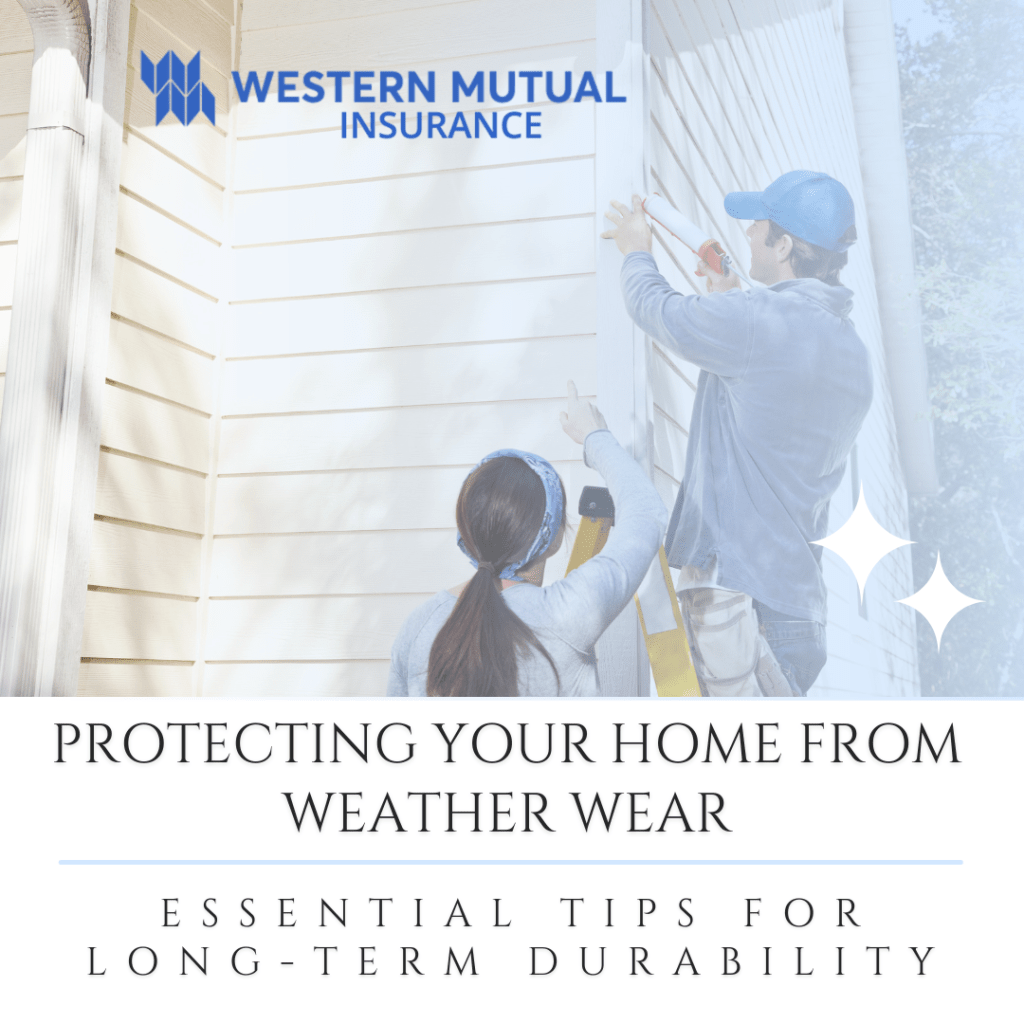
Protecting Your Home from Weather Wear: Essential Tips for Long-Term Durability 

Over time, wind, rain, snow, sun, and changes in temperature can take a serious toll on your property. Weather wear doesn’t just affect how your home looks—it can lead to costly repairs if left unchecked. The good news? With a bit of strategizing and upkeep, you can protect your home from nature’s harshest effects. Here’s how: 

1. Inspect and Maintain Your Roof Regularly 

Your roof is your home’s first defense against the elements. Check it at least twice a year (ideally in spring and fall) and after major storms. Look for missing or damaged shingles, cracked flashing, and signs of water damage inside your attic. Replace worn materials promptly to prevent leaks and structural damage. 

2. Seal Windows and Doors 

Gaps around windows and doors are prime spots for water intrusion and heat loss. Reseal them with weatherstripping or caulk as needed. Not only will this protect your home from moisture, but it also improves energy efficiency which can save you money on heating and cooling. 

3. Clean and Maintain Gutters and Downspouts 

Clogged gutters can lead to water backing up under your roof and seeping into your foundation. Clean them regularly, especially in fall when leaves accumulate. Make sure downspouts direct water at least 5 feet away from your home’s foundation to prevent erosion and basement leaks. 

4. Protect Siding and Exterior Paint 

Inspect your siding for cracks, warping, or signs of rot. Wood siding should be repainted or resealed every few years to maintain its weather resistance. Vinyl and fiber cement options require less maintenance but still benefit from occasional cleaning and inspection. 

5. Ensure Proper Drainage 

Poor drainage can cause serious damage over time. Grade the soil around your house so that it slopes away from the foundation. Consider installing French drains or extending downspouts if you’re noticing pooling water. 

6. Check and Insulate Attics and Crawl Spaces 

These areas are vulnerable to moisture and temperature extremes. Ensure the spaces are well-ventilated and insulated to prevent condensation, ice dams, and heat loss. Moisture barriers can also help keep things dry. 

7. Trim Trees and Secure Outdoor Items 

Branches that hang over your home can break in storms, damaging roofs or siding. Trim them back regularly. Also, secure outdoor furniture and décor—high winds can turn them into projectiles. 

8. Invest in Storm Protection 

If you live in an area prone to severe weather, consider storm shutters, reinforced garage doors, or even a whole-home generator. These investments can pay off when extreme conditions strike. 

Final Thoughts 

Regular maintenance and a few preventative measures can go a long way in protecting your home and preserving its value. Think of it as an investment—not just in your property, but in your peace of mind. 

Spring Cleaning: Refresh, Reset, and Reclaim Your Space

There’s something magical about spring. The days are longer, the air is lighter, and everything feels full of possibility. It’s the perfect time to open the windows, shake off the winter blues, and give your home the deep clean it deserves.

Ready to dive in? Here’s your go-to guide for spring cleaning — with tips, tricks, and a little motivation to make the process easier (and even fun!).

 1. Start with a Plan (and a Playlist)

Before you grab the mop, make a checklist of the areas you want to tackle. Break it down by room, and don’t be afraid to take it one step at a time. A good playlist or podcast can turn cleaning into a vibe instead of a chore.

Pro Tip: Try setting a timer for each task to stay focused and beat the clock.

2. Declutter First, Clean Second

You can’t clean around clutter — so start by getting rid of what you don’t need. Go through closets, junk drawers, and storage bins with a simple rule: if you haven’t used it in a year, donate or toss it.

Create three piles: Keep, Donate, Trash.

Be honest with yourself — will you really wear that sweater from 2012?

Declutter Hack: Use laundry baskets to quickly sort items as you go room by room.

3. Hit the Easy-to-Miss Spots

Spring cleaning is your chance to clean what you normally skip. Make sure to:

Dust ceiling fans and light fixtures

Clean baseboards and window tracks

Vacuum under furniture

Wipe down walls and cabinet doors

Sanitize remotes, doorknobs, and switch plates

Did You Know? Dust buildup can mess with allergies and even affect air quality indoors.

4. Go Green with Your Clean

Skip the harsh chemicals and try natural cleaning solutions. Vinegar, baking soda, and lemon can work wonders (although you do need to be careful not to mix them with any type of bleach)— and they’re budget-friendly.

Glass cleaner: Mix vinegar + water

Drain freshener: Baking soda + vinegar + hot water

Multipurpose scrub: Baking soda + a few drops of dish soap

Eco Tip: Reuse old T-shirts as cleaning rags to reduce waste.

5. Don’t Forget Fabrics

Your soft surfaces need love too! Spring is a great time to:

Wash curtains and pillow covers

Deep clean rugs or have them professionally cleaned

Rotate and vacuum your mattress

Launder winter bedding and store it away

Fabric Freshener DIY: Fill a spray bottle with water, a splash of rubbing alcohol, and a few drops of essential oil for a quick linen refresh.

6. Digital Declutter = Mental Declutter

Spring cleaning isn’t just for your home — clear out digital clutter too.

Delete unused apps and old downloads

Organize your photo library and back it up

Unsubscribe from emails you never open

Clean your desktop (yes, finally)

Digital Zen: Less screen chaos = more mental clarity.

Final Touch: Add a Little Joy

Once the cleaning is done, treat yourself — and your space.

Add a vase of fresh flowers

Rearrange furniture or add a pop of color with new throw pillows

Your home should feel refreshed and welcoming — just like spring itself.

Let the Fresh Start Begin

Spring cleaning is more than scrubbing floors — it’s about clearing space for better energy, more clarity, and a fresh perspective. So, throw open those windows, crank the tunes, and get to it — your future self will thank you.

Happy Cleaning!

Visit us online at WesternMutual.com

How to Create a Thorough Home Inventory

Having a complete home inventory is crucial for protecting your assets in case of fire, theft, or natural disasters. A well-documented inventory helps ensure you receive full compensation from your insurance provider. One of the best ways to make your inventory more effective is by including video documentation. In this guide, we’ll walk you through the step-by-step process of creating a home inventory that covers everything an insurer might need. 

Why You Need a Home Inventory 

A home inventory serves as proof of ownership, helping you: 

-Accurately file insurance claims. 

-Determine the right amount of coverage for your belongings. 

-Speed up the claims process in case of loss. 

-Provide documentation for tax or estate purposes. 

Step 1: Choose a Home Inventory Method 

There are several ways to organize your home inventory: 

Home inventory apps – Apps like Sortly, Encircle, or Nest Egg help categorize and store digital records. 

Spreadsheets – A simple Excel or Google Sheet can be used to log item details, including value and receipts. 

Notebook & Folder – A handwritten inventory can be paired with printed receipts and photos stored in a safe place. 

Step 2: Go Room by Room 

Organizing your inventory room by room ensures that you don’t miss anything. Start with the most valuable or high-risk items, such as electronics, appliances, and jewelry, and then move on to everyday household items. 

What to Record: 

-Item name 

-Description (brand, model, serial number) 

-Purchase date & location 

-Estimated or actual value 

-Receipts or appraisals (if available) 

Step 3: Take Photos and Videos 

Visual documentation adds extra credibility and proof of ownership. Here’s how to do it right: 

Taking Photos: 

-Capture close-ups of high-value items. 

-Photograph model numbers and serial labels. 

-Group items together for context (e.g., a bookshelf with all its contents). 

Recording a Video Walkthrough: 

-Walk slowly through your home, recording every item. 

-Verbally narrate details about expensive belongings. 

-Capture the condition of furniture and fixtures. 

Step 4: Store Your Inventory Securely 

Your home inventory should be protected to ensure it’s accessible when needed. 

-Save to Cloud Storage – Use Google Drive, Dropbox, or iCloud for easy access. 

-Keep a Physical Copy – Store printouts in a fireproof safe or off-site location. 

-Share with a Trusted Person – Consider sharing a copy with a family member or insurance agent. 

Step 5: Update Regularly 

Your home inventory is only useful if it remains accurate. Set a reminder to: 

-Update it annually. 

-Add new purchases as you acquire them. 

-Remove old or donated items. 

Final Thoughts 

Taking the time to create and maintain a home inventory can save you significant stress and financial loss in the future. By including photos, receipts, and especially video documentation, you provide the most compelling evidence for insurance claims. If you haven’t started your home inventory yet, now is the perfect time to begin! 

Visit us online at WestenMutual.com

Key Differences Between a Homeowners Policy and a Dwelling Policy 

When it comes to protecting your property, understanding your insurance options is crucial. Two of the most common types of property insurance are homeowners policies and dwelling policies. While both offer essential protection, they serve different purposes and are tailored to specific needs. Here’s a breakdown of the key differences between these two policies to help you make an informed decision.  Please note that this information is not an indication of specific policy coverage, just general discussion. 

1. Coverage Scope 

Homeowners Policy: A homeowners policy is designed for owner-occupied residences. It typically includes coverage for the following in a covered loss: 

Dwelling Coverage: Protects the structure of the home, including walls, roof, and foundation. 

Personal Property Coverage: Covers your belongings, such as furniture, electronics, and clothing. 

Liability Protection: Provides coverage if someone is injured on your property or if you cause damage to someone else’s property. 

Additional Living Expenses (ALE): Covers costs incurred if you need to live elsewhere temporarily due to a covered loss.   

Dwelling Policy: A dwelling policy focuses primarily on the physical structure of the property. It is ideal for: 

Rental properties or properties that are not owner-occupied. 

Seasonal or vacation homes. 

Dwelling policies usually do not include coverage for personal belongings or liability unless added as endorsements. 

2. Personal Property Coverage 

Homeowners Policy: Automatically includes coverage for personal property up to a percentage of the dwelling coverage limit. For example, if your dwelling is insured for $300,000, your personal property might be covered for up to $150,000, depending on the policy terms. 

Dwelling Policy: Does not typically include personal property coverage unless explicitly added. This makes it less comprehensive but more suitable for landlords or owners of unoccupied properties where personal belongings are not at risk. 

3. Liability Protection 

Homeowners Policy: Includes liability protection as a standard feature, covering medical expenses, legal fees, and other costs if someone is injured on your property. 

Dwelling Policy: Does not automatically include liability protection. However, you can often add a liability endorsement for an additional premium. 

4. Usage Scenarios 

Homeowners Policy: Best suited for primary residences where the owner lives and stores personal belongings. It provides all-in-one protection for homeowners and their families. 

Dwelling Policy: Ideal for: 

Landlords insuring rental properties. 

Individuals with secondary or vacation homes. 

5. Covered Perils 

Both policies can cover similar named perils, such as fire, wind, hail, and vandalism. However: 

A homeowners policy often includes a broader range of covered perils. 

A dwelling policy may have more restricted coverage, depending on the specific form (DP-1, DP-2, or DP-3). For example, DP-1 policies cover basic perils on an actual cash value (ACV) basis, while DP-3 policies offer broader, open-peril coverage on a replacement cost basis. 

6. Customization and Endorsements 

Both policies allow for endorsements to expand coverage. However, homeowners policies generally include more standard coverage features, while dwelling policies often require additional endorsements to match the coverage scope of a homeowners policy. 

Conclusion 

Choosing between a homeowners policy and a dwelling policy depends on the type of property you own and how it is used. If you live in the property and need protection for your home, belongings, and liability, a homeowners policy is the best choice. For rental properties or seasonal homes, a dwelling policy can provide the specific coverage you need. 

Understanding the nuances of each policy ensures you have adequate protection for your property and peace of mind in case the unexpected happens. Always consult with a licensed insurance professional to tailor your policy to your unique circumstances. 

Visit us online at WestenMutual.com

Understanding Perils and Hazards in Home Insurance 

When it comes to home insurance, the terms “peril” and “hazard” often arise. While they may seem interchangeable at first glance, they have distinct meanings that are crucial for understanding your policy and safeguarding your home. In this blog, we will explore what these terms mean, how they differ, and their importance in the context of home insurance. 

What Is a Peril? 

A peril is a specific event or risk that can cause damage or loss to your property. Insurance policies typically outline the perils they cover, giving you a clear idea of what events will trigger coverage. Common examples of perils include: 

Fire: Damage caused by flames or smoke. 

Theft: Loss or damage due to burglary. 

Wind Damage: Destruction from high winds, examples such as tornadoes or hurricanes. 

Hail: Physical damage caused by falling hailstones. 

Water Damage: Certain types of water damage, such as burst pipes, may also be considered a peril (though flooding might require separate coverage). 

In an insurance policy, perils can either be covered explicitly (named perils) or assumed under broader coverage (open perils). 

Named Peril vs. Open Peril Policies 

Named Peril Policies: These policies only cover the specific risks listed in the contract. If it’s not named, it’s not covered. 

Open Peril Policies: These provide broader coverage, protecting against all risks except those explicitly excluded in the policy. 

What Is a Hazard? 

A hazard, on the other hand, refers to any condition or circumstance that increases the likelihood of a peril occurring. Hazards do not directly cause damage but elevate the risk of a loss happening. 

Hazards are categorized into three main types: 

Physical Hazards: Tangible features that increase risk. For example, a damaged roof increases the likelihood of water intrusion. 

Moral Hazards: Behavioral factors, such as exaggerating a claim, that arise from the policyholder’s actions. 

Morale Hazards: Carelessness or indifference to risk, such as leaving doors unlocked or failing to repair dangerous conditions. 

How Perils and Hazards Work Together 

Think of perils as the “what” and hazards as the “why.” A peril is the event that causes damage, while a hazard is a condition that makes that event more likely or severe. For instance: 

Peril: A windstorm damages your roof. 

Hazard: The roof was already compromised by loose shingles, increasing the extent of the damage. 

Insurance providers evaluate both hazards and perils when determining coverage, policy rates, and exclusions. 

Why Understanding the Difference Matters 

Understanding the distinction between perils and hazards is essential for several reasons: 

Choosing the Right Coverage: Knowing what perils are covered helps you select the appropriate policy for your needs. 

Risk Management: Identifying hazards allows you to take preventive measures, potentially lowering premiums and avoiding future claims. 

Navigating Claims: Awareness of these concepts ensures you can provide accurate information and comply with your insurer’s requirements when filing a claim. 

Tips for Homeowners 

Review Your Policy: Ensure you understand whether your policy is named peril or open peril and what exclusions apply. 

Mitigate Hazards: Address issues like faulty wiring, overhanging tree branches, or poor home security to reduce risks. 

Consider Additional Coverage: If your area is prone to excluded perils like flooding or earthquakes, look into supplemental policies. 

Final Thoughts 

Perils and hazards may seem like technical jargon, but understanding these terms can make a world of difference in ensuring your home is adequately protected. By taking proactive steps to mitigate hazards and comprehending the scope of your insurance policy, you can safeguard your property and gain peace of mind. 

Visit us online at WestenMutual.com

Fireproofing your home

Fireproofing your home involves proactive measures to reduce fire hazards, create a defensible space, and use fire-resistant materials. Below are strategies that can be used for fireproofing: 

1. Create Defensible Space (Landscaping) 

Zone 1: 0-5 Feet (Immediate Area) 

  • Use non-flammable materials like gravel or stones for landscaping. 
  • Avoid plants with resin, oils, or dry leaves near your home. 

Zone 2: 5-30 Feet (Intermediate Zone) 

  • Space trees and shrubs at least 10-15 feet apart. 
  • Trim branches that overhang your roof or are within 10 feet of chimneys. 

Zone 3: 30-100 Feet (Outer Zone) 

  • Clear dead vegetation regularly. 
  • Maintain grass at low heights, especially in dry seasons. 

2. Harden Your Home (Construction Materials) 

  • Roof: Opt for a Class A fire-resistant roof (e.g., metal, tile, or asphalt shingles). 
  • Windows: Install double-pane or tempered glass windows to resist heat. 
  • Vents: Use fine mesh screens (1/8-inch or finer) on attic, soffit, and foundation vents. 
  • Garage: Seal garage doors tightly and store combustible materials safely. 

3. Protect Decks and Outdoor Areas 

  • Use non-combustible decking materials (e.g., composite decking). 
  • Keep flammable furniture, rugs, or decorations away from exposed areas. 
  • Use metal or masonry for fences directly connected to your home. 

4. Prepare Your Home for Wildfire 

  • Clear gutters and roofs of debris like dry leaves and pine needles. 
  • Install spark arresters on chimneys. 
  • Maintain accessible water sources (sprinklers, fire hoses, or rain barrels). 

5. Emergency Preparedness 

  • Create an evacuation plan and prepare a go-bag with essentials. 
  • Sign up for local fire alerts. 
  • Install fire extinguishers, smoke detectors, and carbon monoxide alarms in your home. 
  • Have a home inventory in a safe place in case of loss, or video inside of home to help with inventory in case of loss. 

6. Use Fireproof Home Accessories 

  • Place fire-resistant insulation (e.g., mineral wool) in your walls. 
  • Store valuables in a UL-rated fireproof safe. 

Visit us online at WestenMutual.com