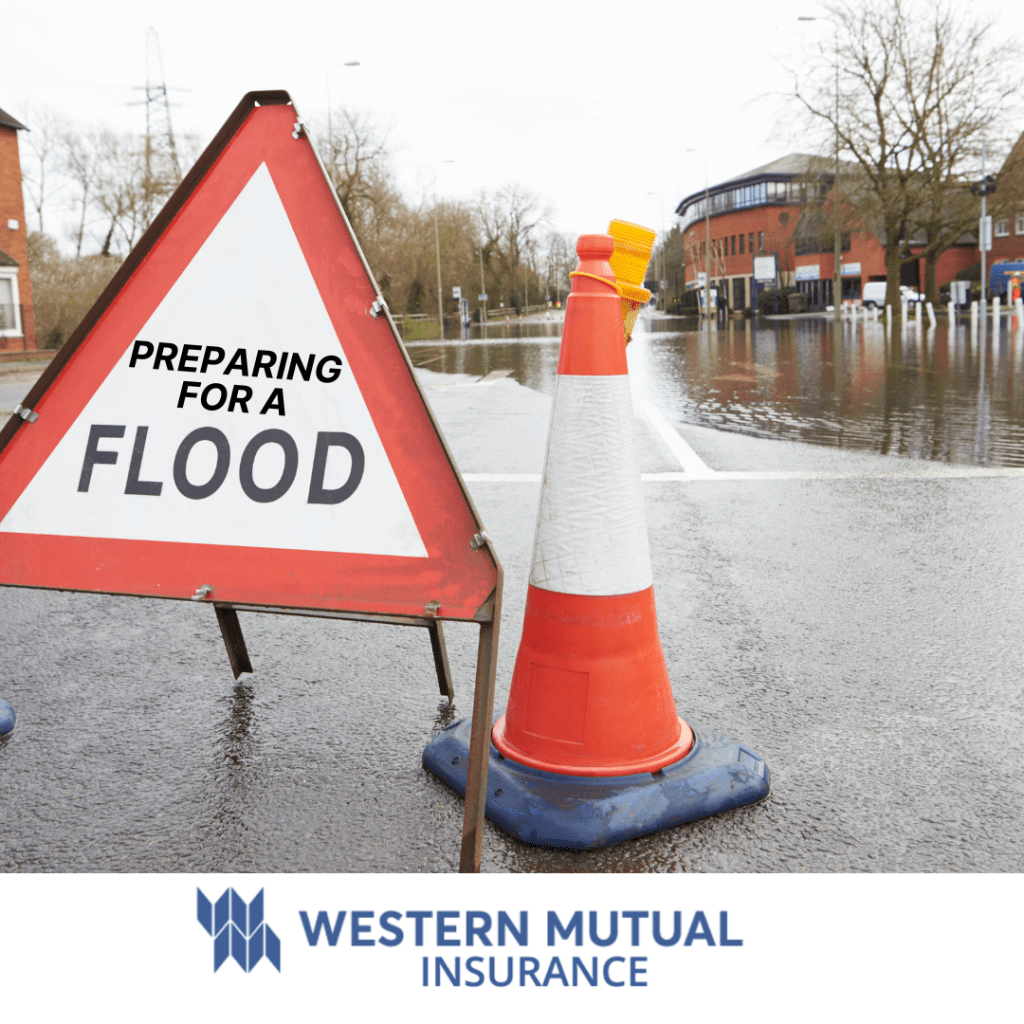
Preparing for a Flood

1. Stay Informed

Monitor weather alerts: Use reliable sources like the National Weather Service (NWS) or apps that provide real-time flood warnings.

Know your risk: Check if you’re in a flood-prone area by consulting flood maps or your local government.

2. Create an Emergency Plan

Establish evacuation routes: Identify safe routes to higher ground and have more than one option.

Designate a meeting point: In case family members are separated, set a place where everyone can regroup.

Prepare for communication disruptions: Have a list of emergency contacts and consider using radios if cell service fails.

3. Assemble a Flood Emergency Kit

Essentials: Pack a 3-day supply of water (1 gallon per person per day) and non-perishable food.

First aid: Include bandages, antiseptics, prescription medications, and other necessary medical supplies.

Tools and supplies: Flashlights with extra batteries, a whistle, a multi-tool, local maps, and a battery-powered radio.

Personal hygiene items: Soap, hand sanitizer, baby wipes, and toilet paper.

Important documents: Keep copies of IDs, insurance papers, and property records in a waterproof bag.

Clothing and blankets: Pack warm clothes and waterproof outerwear.

4. Secure Your Home

Move valuables to higher ground: Relocate important items to upper floors or place them on shelves.

Install sandbags or flood barriers: Use them around doors, windows, and low entry points to reduce water intrusion.

Shut off utilities: If instructed, turn off gas, electricity, and water to prevent damage and hazards.

Clear gutters and drains: Remove debris to ensure proper drainage and reduce flooding near your home.

Install sump pumps: If you live in a flood-prone area, a sump pump can help remove water from your basement.

5. Evacuation and Shelter

Heed evacuation orders: Leave your home as soon as authorities advise, and don’t wait for water levels to rise.

Have transportation ready: Ensure your vehicle is fueled and parked in a safe area.

Locate shelters: Know where the nearest flood shelters are and take your emergency kit with you when leaving.

6. Post-Flood Actions

Return safely: Only go back to your home when authorities declare it safe.

Inspect for damage: Look for structural damage and hazards like downed power lines or gas leaks.

Document losses: Take photos of damaged items for insurance claims.

Disinfect and clean: Floodwaters can carry contaminants, so disinfect all surfaces and throw away anything that has been in contact with the water.

Taking these steps can help you minimize risks and ensure your safety during a flood.

Visit us online at WesternMutual.com

Home Safety tips for Fall

As the fall season approaches, it’s important to take steps to ensure your home is safe and prepared for the cooler weather. Here are some home safety tips for the fall:

1. Heating System Maintenance

  • Check Your Furnace: Have your heating system inspected and serviced by a professional. Replace filters regularly to ensure efficient operation.
  • Inspect Chimneys and Fireplaces: Clean and inspect chimneys to prevent blockages and creosote buildup, which can lead to fires. Make sure your fireplace is in good working order.
  • Space Heater Safety: If using space heaters, ensure they are in good condition, placed on a flat, stable surface, and kept away from flammable materials.

2. Fire Safety

  • Check Smoke and Carbon Monoxide Detectors: Replace batteries and test alarms to ensure they’re functioning properly. Consider installing a carbon monoxide detector if you don’t have one.
  • Fire Extinguisher: Ensure you have a working fire extinguisher that is easily accessible, especially near the kitchen and heating sources.

3. Outdoor Maintenance

  • Clear Gutters and Downspouts: Remove leaves and debris to prevent blockages that can cause water damage.
  • Inspect the Roof: Check for loose or missing shingles and repair any damage to prevent leaks.
  • Yard Cleanup: Rake leaves and remove dead branches or trees that could become hazards in storms.

4. Lighting and Electrical Safety

  • Outdoor Lighting: As days get shorter, make sure outdoor lighting is working properly to prevent accidents. Consider installing motion-sensor lights for added security.
  • Inspect Electrical Outlets: Check for frayed cords and ensure outlets are not overloaded, especially when using space heaters and other seasonal appliances.

5. Windows and Doors

  • Seal Drafts: Check windows and doors for drafts and apply weatherstripping or caulking as needed to keep your home warm and energy efficient.
  • Window Locks: Ensure all windows and doors have secure locks, as burglaries can increase during darker months.

6. General Preparedness

  • Emergency Kit: Prepare or update your emergency kit with essentials like flashlights, batteries, blankets, and non-perishable food items.
  • Firewood Storage: Store firewood away from your home to reduce the risk of pests and decrease fire hazards.
  • Check Tree Branches: Trim any overhanging branches that could fall on your home or power lines during a storm.

7. Home Security

  • Alarm System: If you have a security system, test it to make sure it’s functioning properly. Update your security codes if needed.
  • Vacation Preparation: If you plan to travel during the fall, consider using timers for lights and asking a neighbor to check on your home.

8. Radon Testing

  • Test for Radon: Fall is a good time to test for radon, a naturally occurring gas that can cause health issues. Radon levels can be higher in homes during cooler months.

By following these tips, you can help ensure that your home is safe and ready for the fall season.

Visit us online at WestenMutual.com