
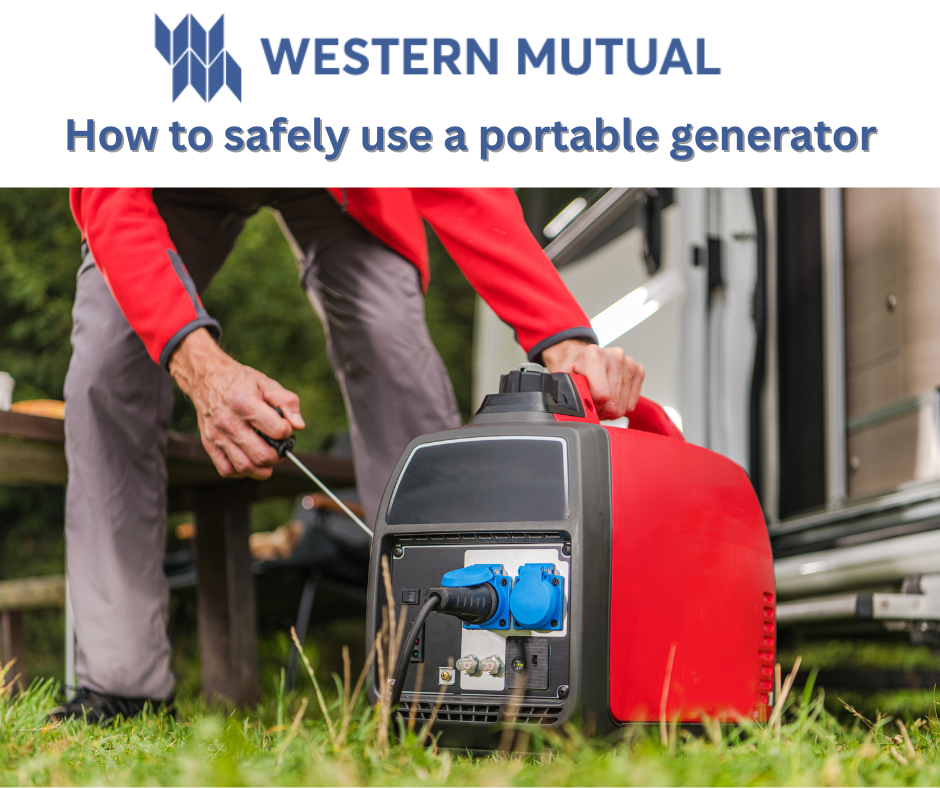
Using a portable generator can be a convenient way to generate electricity during power outages or in remote locations. However, it’s important to prioritize safety when operating a portable generator to avoid hazards such as carbon monoxide poisoning, electrical shocks, or fire risks. Here are some guidelines to safely use a portable generator:
Read the Manual: Familiarize yourself with the manufacturer’s instructions and safety guidelines provided in the user manual. Each generator may have specific requirements and features that you should understand before operating it.
Choose a Safe Location: Place the generator outdoors in a well-ventilated area, away from windows, doors, and vents to prevent the accumulation of dangerous exhaust gases. Keep it on a dry surface and protect it from moisture to avoid electrical hazards.
Use a Transfer Switch: To prevent back-feeding electricity into the utility lines and potentially injuring utility workers, use a transfer switch. This device allows you to safely connect the generator to your home’s electrical system.
Ground the Generator: Follow the manufacturer’s instructions to properly ground the generator. This helps to protect against electrical shocks and ensures safe operation.
Fuel Safety: Turn off the generator and allow it to cool down before refueling. Use fresh gasoline and follow the recommended fuel type specified by the manufacturer. Store fuel in approved containers in a cool, well-ventilated area, away from living spaces or ignition sources.
Avoid Overloading: Determine the power requirements of the appliances and devices you plan to connect to the generator. Make sure the total power demand does not exceed the generator’s capacity. Overloading the generator can lead to equipment damage or hazardous situations.
Proper Extension Cords: Use heavy-duty, outdoor-rated extension cords that are capable of handling the load. Ensure that the cords are in good condition, with no visible damage or exposed wires.
Carbon Monoxide Prevention: Generators produce carbon monoxide, a deadly gas that is odorless and colorless. Never use a generator indoors, including in garages, basements, or crawl spaces. Maintain a distance of at least 20 feet between the generator and any occupied building to prevent CO from entering enclosed spaces.
Fire Prevention: Keep flammable materials away from the generator. Ensure the generator is cooled down before storing it and avoid storing fuel or flammable liquids nearby.
Maintenance and Inspection: Regularly inspect the generator for any signs of damage or wear. Follow the maintenance schedule provided by the manufacturer to keep the generator in good working condition.
Remember, the specific instructions and safety precautions may vary depending on the make and model of the generator, so always refer to the manufacturer’s guidelines for accurate information.
To get a quote or discuss how we can help you with choosing your home insurance provider, call us at (800) 234-2103 or get a free 30 second quote on westernmutual.com.


 Western Mutual Insurance Group